When global buyers are on the hunt for a reliable Double Reduced Dr Coil, they quickly realize it’s about more than just comparing prices. Sure, double reduction helps produce thinner, stronger steel, but it also means you need tighter control over things like gauge, hardness, flatness, surface quality, and temper. Even small tweaks can affect how well the steel performs in stamping, welding, printing, or can-making—so attention to detail really matters.
Edwin Basson, who’s the Director General of the World Steel Association, once said, “Steel is a critical material for the energy transition.” Now, that’s not just about energy; it’s also a good reminder that choosing the right coil supplier is all about responsibility. You can’t just rely on a fancy website. Buyers need steady production, materials you can trace back, practical logistics, and transparent environmental info. In other words, trust is built on substance, not just good looks.
This guide for 2026 takes a close look at companies like Tata Steel, thyssenkrupp Steel, JFE Steel, POSCO, and Baosteel—potential options for international sourcing. It digs into a bunch of important factors: product consistency, available gauges, coating choices, export know-how, quality documentation, and how well suppliers communicate after the sale. Regional service centers and independent distributors might also be worth considering—they often respond quicker than giant mills.
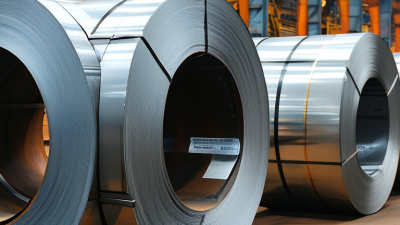
When you’re doing a serious evaluation, don’t forget to ask for mill certificates, inspection reports, and photos of packaging. Check the edges of coils—are they in good shape? Also, verify coil weights and inner diameters, and make sure storage protection is in place—especially for shipping through humid environments.
Now, here’s the tricky part: there’s no one-size-fits-all “best” choice. A food-can producer might care more about looks and surface finish, while an industrial buyer might prioritize strength and consistent delivery. Plus, some specs you see online might look thorough but can leave out critical details. That’s where asking the right questions really counts.
All in all, this overview is just a starting point—you shouldn’t take it as the final word. Before sealing any deals, it’s smart to double-check the latest certifications, production capacity, lead times, and trade requirements straight from each supplier. Do your homework, and don’t rush—better to be thorough than sorry down the line.
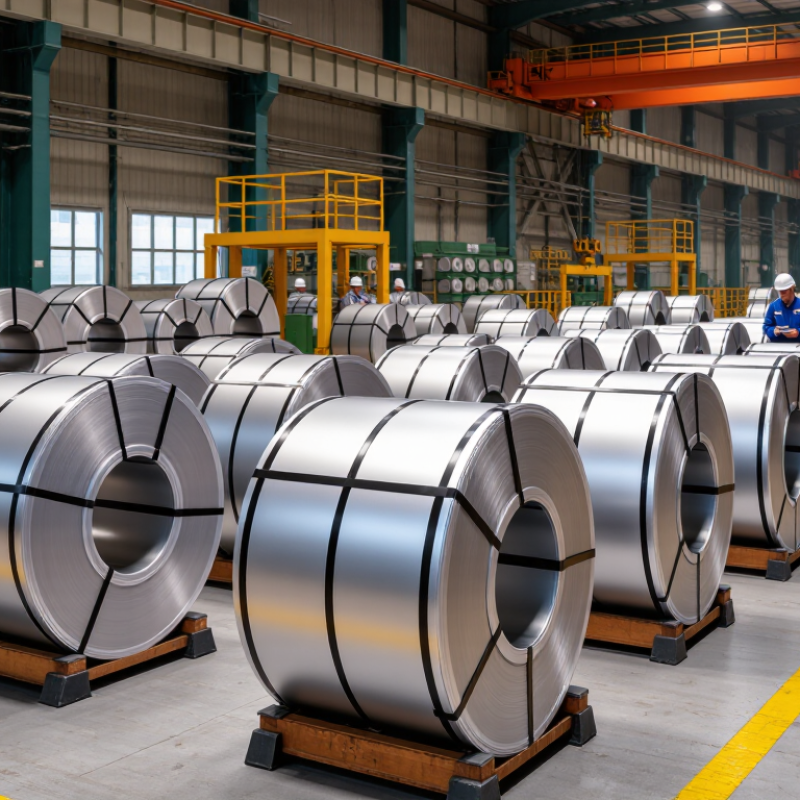
What Double Reduced DR Coils Are and How They Are Made
Double Reduced Steel Coil refers to steel that receives two separate cold-reduction stages. This treatment creates thinner gauges and higher strength than conventional single-reduced coil. It is widely used where stiffness, dimensional control, and material efficiency matter.
Production begins with a hot-rolled Steel Strip. The mill removes surface scale through pickling, then reduces the strip during the first cold-rolling stage. The steel becomes harder and less workable
Specifications Global Buyers Should Compare Before Purchasing
2026 Best Double Reduced DR Coil Suppliers for Global Buyers
Global buyers should compare specifications before comparing prices. Double-reduced DR coil usually requires precise control of thickness, width, yield strength, temper, surface finish, and coating. Confirm whether the material is intended for tinplate, packaging, or another application. ASTM A623 and EN 10202 provide useful reference points for tin mill products, but mill certificates must still match the purchase order.
Thickness tolerance matters greatly. A small variation can affect forming, welding, and line speed. Request actual test results, not only nominal values. Compare coil inner diameter, outer diameter, maximum weight, edge condition, and allowable camber. Packaging should protect against moisture, especially during ocean transport. The World Steel Association reported approximately 1.884 billion tonnes of crude steel production in 2023, showing the scale of global supply, but volume does not guarantee consistent DR quality.
Tips: Ask suppliers for recent certificates, coating-weight measurements, surface photographs, and traceability records. Check yield strength in megapascals and confirm the testing method. Also compare delivery tolerance and claim procedures. A cheaper coil may create higher conversion losses. That is easy to underestimate. Supplier audits, sample approval, and independent inspection can expose weak controls before shipment. Still, specifications are not everything; real production trials may reveal edge cracking or inconsistent flatness. Recheck assumptions.
How to Evaluate Double Reduced DR Coil Suppliers in 2026
Evaluating Double Reduced DR Coil suppliers in 2026requires more than comparing price per ton. Buyers should examine production experience, technical control, and shipment reliability. Ask for recent Mill Test Certificates, chemical analysis, yield strength, tensile strength, hardness, and gauge tolerances. These records should match the actual coil numbers.
A capable supplier can explain each reduction stage clearly. Double reduction affects strength, flatness, forming behavior, and end-use performance. Request trial samples before approving a large order. Check surface brightness, edge condition, oiling, coil weight, weld frequency, and protective packaging. For buyers seeking Double Bright Finish Steel Coil, the surface inspection needs controlled lighting and documented acceptance limits.
Audit evidence matters. Review equipment maintenance, calibration records, laboratory methods, and corrective-action reports. A supplier should provide traceability from raw material to final packing. Confirm monthly capacity, minimum order quantities, production lead times, and port handling experience. Small details often cause expensive delays. No checklist is perfect. A polished certificate may not reveal inconsistent flatness between coils. Independent inspection can reduce that risk, especially for a first shipment. Buyers should also test communication during quotation, because slow or vague replies often continue after the contract is signed. Evaluate claims carefully, and leave room for technical questions.
Leading Supplier Types and Regional Sourcing Options
Double reduced DR coil buyers usually work with three supplier types: integrated mills, regional service centers, and specialized traders. Integrated mills offer tighter control over thickness, temper, chemistry, and production records. Service centers provide smaller lots, slitting, rewinding, and faster domestic delivery. Traders can connect difficult markets, but their documentation needs closer review.
Regional sourcing changes the buying decision. East Asian suppliers often support high-volume orders and varied widths. European mills may suit buyers requiring detailed traceability and consistent surface quality. North American service centers can reduce inland freight for local manufacturers. Gulf and Southeast Asian hubs may provide useful transit routes for nearby markets. Ask for mill test certificates, coil photographs, packing details, and recent inspection data. Small details matter.
Double Bright Finish Steel should be confirmed as a surface requirement, not treated as a casual product label. Request samples showing brightness, roughness, edge condition, and oil coverage. A practical buyer should also compare minimum order quantity, rolling schedule, port handling, and claims procedures. Some estimates fail when moisture protection is ignored during ocean transport. That mistake is avoidable. Regional suppliers may promise short lead times, yet available stock can differ from the advertised grade. Independent inspection adds cost, but it can expose width variation or damaged edges before shipment. No sourcing plan is perfect. Review the first shipment carefully, then adjust the supplier scorecard.
Quality Standards, Certifications, Pricing, and Delivery Factors
Selecting the best double reduced DR coil supplier requires more than comparing quoted prices. Buyers should request mill test certificates, dimensional reports, surface inspection records, and traceable heat numbers. Relevant specifications may include ASTM A623/A623M, EN 10202, or JIS G3303, depending on the application. ISO 9001 supports process control, while ISO 14001 indicates environmental management. Yet certification alone proves little. Verify the certificate scope and audit date.
The World Steel Association’s October 2024 Short Range Outlook projected Global Steel demand at about 1.77 billion tonnes in 2024 and 1.81 billion tonnes in 2025. This demand pressure can influence raw material and processing premiums. DR coil pricing should separate steel value, double-reduction rolling, annealing, tempering, coating, testing, packaging, and freight. Compare yield strength, hardness, elongation, gauge tolerance, coil width, and surface finish.Cold Rolled Coil Vs Hot Rolled Coil is not a simple price comparison; DR coil usually needs tighter control and thinner gauges.
Delivery reliability depends on production capacity, port access, and documentation accuracy. UNCTAD’s Review of Maritime Transport 2024 reports that maritime shipping carries over 80% of global merchandise trade by volume. Ask for realistic lead times, not optimistic promises. Confirm coil ID, outer diameter, maximum weight, moisture protection, and loading photographs. A recurring sourcing mistake is ignoring edge wave and crown until arrival. No supplier scorecard is perfect. Recheck performance after the first shipment.
2026 Best Double Reduced DR Coil Suppliers for Global Buyers
Indicative buyer-evaluation benchmark covering quality, certifications, pricing, and delivery factors
The benchmark uses a 100-point procurement model: product quality and consistency 30 points, certification and traceability 20 points, total landed cost 20 points, delivery reliability 20 points, and technical support 10 points. Relevant references for DR coil purchasing may include EN 10202, ASTM A623/A623M, ISO 9001, ISO 14001, ISO 45001, and EN 10204 inspection documentation. Scores are planning benchmarks rather than company-specific ratings or quotations.
Conclusion
This guide explains what Double Reduced Dr Coil is, how it is produced through an additional cold-reduction process, and why its enhanced strength, surface quality, dimensional accuracy, and formability make it valuable for demanding industrial applications. It outlines the key specifications global buyers should compare, including thickness, width, coating or temper requirements, mechanical properties, coil weight, edge condition, and packaging options.
The article also presents practical methods for evaluating suppliers in 2026, covering manufacturing capability, quality control, production consistency, communication, and international service support. It compares different supplier types and regional sourcing options while highlighting the importance of recognized quality standards, certifications, transparent pricing, lead times, logistics planning, and delivery reliability. By considering technical performance, compliance, total purchasing cost, and after-sales coordination together, buyers can select a dependable Double Reduced Dr Coil supplier that meets project requirements and supports stable long-term procurement.