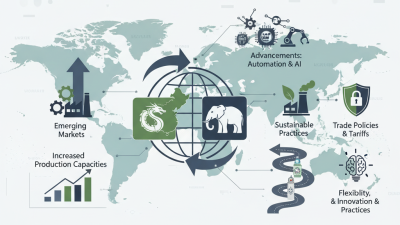
By 2026, it’s not just about price when global buyers pick a steel supplier. Sure, cost still matters, but people are digging into things like real production capacity, product consistency, delivery routes, and hard environmental data they can actually trace. Big names like China, India, Japan, South Korea, Germany, Türkiye, and Vietnam still dominate the Global Steel trade conversation. But here’s the thing—a country’s reputation can only get you so far. You still have to check the supplier itself, especially forSteel Export decisions. Honestly, when you're looking at this stuff, mill certificates, heat numbers, inspection records—and don't forget how recent shipments have been performing—those are the things you really want to keep an eye on.
So here's the thing—this guide isn't just listing the top Steel Exporting countries. It actually walks you through what to look for when you're buying, whether it's carbon steel, stainless, flat products, long products, or those specialized grades. Port access is a big deal, sure, but inland transport can make or break your timeline too. And here's where things get tricky: a great offer on paper can fall apart pretty fast once freight costs, insurance, duties, or exchange rates shift. So before you sign anything, double-check production standards, testing methods, payment terms, and how responsive they'll be after the sale. It's worth the extra effort. Honestly, it’s the little things that can make or break a shipment. You can do everything right, but if some tiny detail is off — a label, a small scratch, a missing document — suddenly it’s not ready for fabrication. Funny how that works, right?
So, this analysis pulls together trade patterns, industrial capability, infrastructure, and what we've learned from actually procuring together. We're not treating any ranking like it's permanent—because honestly, things change. Market data can be delayed, revised, or shaped by temporary policy shifts, and that's a real limitation. It matters more than it might seem. Some destinations might give you excellent quality, but then their minimum order quantities are a bit inflexible. Others might come in with aggressive quotes, but you're left guessing about lead times. So yeah, careful comparison is still essential. Honestly, the best supplier isn't just the one from the country with the biggest export numbers. It's whoever actually matches your grade, volume, timeline, budget, and risk tolerance. That fit matters way more than the stats.
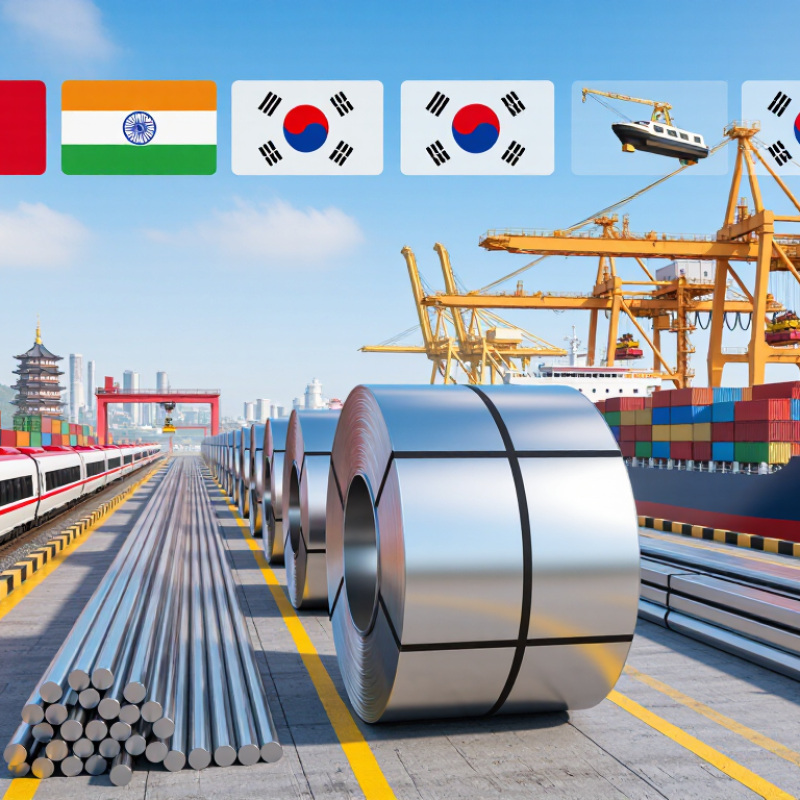
A leading steel export country offers more than large shipment volumes. Volume is not enough. Buyers need stable production, dependable ports, consistent grades, and transparent delivery records. The World Steel Association’s World Steel in Figures 2025 reported approximately 1.88 billion tonnes of crude steel production in 2024. This scale shows capacity, but it does not prove export reliability.
International Trade Centre data, based on UN Comtrade records, helps buyers compare steel and steel-product trade by value, volume, and destination. Yet trade statistics can hide important details. They may not show port congestion, rejected batches, or sudden energy-related shutdowns. A serious evaluation should examine mill certificates, inspection procedures, average lead times, and customs performance. Small delays become expensive when construction schedules are tight.
Carbon performance now matters too. The OECD’s recent steel-sector analysis highlights persistent global overcapacity and pressure to reduce emissions. Exporters with measurable energy data, recycled-content records, and credible emissions reporting may gain stronger access to regulated markets. However, carbon claims are not always comparable. Buyers should request product-level evidence instead of trusting broad national averages. That extra check is slower, but often more honest. A leading exporter in 2026 is therefore defined by verified quality, resilient logistics, responsible production, and the ability to communicate limitations clearly.
Steel export rankings are not based on one simple number. Analysts usually compare annual export volume, export value, product categories, and destination coverage. Customs records often separate hot-rolled coils, galvanized sheets, bars, and fabricated products. This matters because one country may lead in tonnage but sell lower-value material. Another may export less, yet supply more specialized grades. The reference period must also be clear. A 2026 ranking may rely on 2025 shipment data.
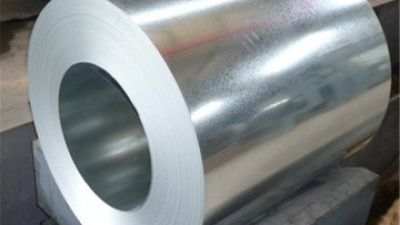
In practical sourcing work, buyers should examine shipment consistency, port performance, documentation quality, and inspection results. Export-Quality Steel Coils may appear attractive, but the ranking alone cannot prove thickness accuracy or surface condition. Buyers should review mill certificates, tolerance records, packaging photos, and independent test reports. Destination diversity can show market acceptance, although it does not guarantee every supplier performs equally. No ranking is perfect. Data revisions, delayed customs entries, and changing trade policies can distort comparisons.
Tips: Check both export volume and value. Confirm the product’s HS code before comparing countries. Request recent inspection evidence, not only promotional figures. Compare delivery records across several months. A low price can hide higher rejection, storage, or financing costs. Local service and communication also deserve weight, but rankings rarely measure them well.
For global buyers, the leading steel exporting countries in 2026 should be judged by more than shipment volume. China remains a major supplier, with 2024 exports exceeding 100 million tonnes, according to World Steel Association and customs data. Japan and South Korea offer consistent quality, advanced grades, and dependable mill practices. Germany and Italy remain important European exporters, although regional demand can reduce their available surplus.
Turkey is attractive for buyers needing flexible delivery into Europe, North Africa, and the Middle East. Vietnam is gaining attention in flat steel and construction products. UN Comtrade data for 2024 shows strong trade activity across these markets, especially under HS Chapters 72 and 73. However, export values can include different product mixes. A tonne of coated sheet is not comparable with a tonne of basic billets.
Product fit matters more.
For hot-rolled steel coil export decisions, buyers should check thickness tolerance, coil width, yield strength, monthly capacity, and port distance. Freight rates can change the final price quickly. Certification and inspection records also deserve careful review. I have seen low quotations become expensive after demurrage, re-testing, or delayed documents. No ranking is perfect. Trade statistics may lag, and some figures include re-exports. Buyers should compare at least three recent offers, verify origin documents, and test samples before signing large 2026 contracts.
For global buyers, “best” steel export countries depend on product, certification, delivery time, and price stability. The World Steel Association’s World Steel in Figures 2025 reports that China produced about 1,005 million tonnes of crude steel in 2024. Its export base covers hot-rolled coil, galvanized sheet, plate, rebar, wire rod, and fabricated sections. Large mills can support high-volume orders, but buyers should verify current trade measures and mill certificates before contracting.
Japan and South Korea remain strong sources for automotive sheet, electrical steel, coated products, and precision plate. Their shipments often suit demanding thickness and surface requirements. India offers billets, rebar, wire rod, and expanding flat-steel capacity. Türkiye is practical for rebar, merchant bar, wire rod, and hot-rolled coil, especially for nearby European, Middle Eastern, and African buyers. The OECD’s Steel Market Developments reports continue to highlight regional overcapacity and changing trade flows, so a low quotation may hide future delivery risk.
European exporters supply higher-specification plate, stainless products, specialty sections, and engineered steel. Germany, Italy, and Spain are relevant for processed and certified grades, although energy costs can affect offers. UN Comtrade data, organized under HS 72 and HS 73, helps buyers compare exports by product rather than relying on country rankings alone. Product descriptions can still be inconsistent. A careful buyer should compare chemistry, tensile results, coating mass, rolling tolerance, inspection records, and port schedules. Small errors in these details become expensive at a full vessel scale.
Choosing the best steel export country in 2026 requires more than comparing headline prices. Buyers should examine steel grade consistency, production capacity, delivery history, and inspection procedures. A supplier country may offer low mill prices but weak port connections. Delays can erase the original savings.
Ask for recent mill certificates, sample test reports, and clear tolerance data. Confirm whether the country can produce your required grades, thicknesses, and coating standards repeatedly. During factory visits, check storage conditions, coil labeling, and moisture protection. Small details matter. Poor storage can create rust before loading.
Logistics deserve close attention. Compare port distance, sailing frequency, container availability, and customs processing time. Review import duties, sanctions exposure, currency stability, and local export rules with qualified professionals. Energy costs and carbon reporting may also affect future purchasing decisions. A cheaper origin can become expensive after freight, insurance, testing, and port charges.
Supplier communication is another practical test. Request a detailed production schedule and observe how quickly the team handles technical questions. Reliable exporters explain problems early rather than hiding them. Still, no scorecard is perfect. I have seen buyers overvalue certifications while ignoring late responses and weak packaging. A balanced review should combine documents, physical inspections, shipment records, and independent quality checks before choosing a supplier country.
2026 Best Steel Export Countries for Global Buyers?
Trade Regulations, Logistics, and Costs in Steel Imports
Choosing a steel-exporting country requires more than comparing the mill price. Buyers should review production capacity, quality controls, port access, and trade rules. A low quotation can become expensive after duties, inspections, and inland delivery.
For steel coil wholesalepurchases, request the correct HS code before signing a contract. Confirm the country of origin, product grade, thickness tolerance, and applicable tariff rate. Customs officers may require Mill Test Certificates, packing lists, commercial invoices, and proof of origin. Some markets also apply anti-dumping measures or carbon-related reporting requirements. Rules can change during the year. Verify them with an experienced customs broker.
Logistics often decides the real landed cost. A shipment from a distant port may need transshipment, extra storage, or special handling. Calculate ocean freight, marine insurance, port charges, customs duty, inspection fees, and final trucking. Ask whether coils need weatherproof packaging. Salt air and rain can damage exposed edges. Details matter.
Use a written inspection plan with measurable standards. Specify coil weight, surface condition, marking, and allowable defects. A pre-shipment inspection can prevent costly disputes, but it is not perfect. Documents may still contain errors. Small errors compound. I have seen buyers focus on price while overlooking demurrage terms and delivery windows. That decision often costs more than a modest price difference. Record every assumption, then challenge it before payment.
The chart compares the leading steel-exporting countries by estimated 2023 export volume. Higher export capacity can indicate broader supplier availability, while final purchasing decisions should also consider trade regulations, freight routes, tariffs, product specifications, and delivery costs.
Data shown in million metric tonnes. Figures are rounded estimates for 2023 steel exports compiled from international trade statistics covering major iron and steel product categories. Export volumes and landed costs vary by product type, destination, and trade policy.
Selecting the best steel export country starts with your end use, not a low headline price. A construction buyer may need structural grades, while an appliance maker needs clean surfaces and consistent thickness. Write the required grade, dimensions, tolerance, coating, monthly volume, and delivery window. Keep the list measurable. Vague requests invite uneven quotations. Then compare countries with strong production capacity, reliable ports, and documented quality systems. A country with cheap steel may still create losses through rework, delays, or extra inspection.
Ask each supplier for mill certificates, heat numbers, inspection records, and recent loading photos. Check whether the records match the coil labels. A remote audit, video call, or independent inspection can reveal storage problems, rust, damaged edges, or mixed grades. Look for a high-quality steel coil manufacturer that explains its process clearly. Do not judge capability from polished brochures alone. Ask how it controls thickness, flatness, coil weight, and packaging. Small details matter. Request a trial order before committing to annual volume.
Evaluate the full delivered cost, including freight, insurance, duties, inland transport, financing, and port handling. Confirm the proposed Incoterm and delivery schedule in writing. Also check export documentation and import rules in your destination market. Local standards may require different testing or labeling. I have found that supplier communication deserves its own score. Fast replies are useful, but precise answers are better. One weakness remains: forecasts can change after an order is placed. Leave room for buffer stock, inspection time, and a backup source. The “best” country on paper may not suit your route, risk tolerance, or production rhythm.
Electro-Galvanized Steel Coils are gaining attention as manufacturers seek thinner, cleaner, and more controllable corrosion-protection systems. World Steel Association data show that global crude steel production remains above 1.8 billion tonnes annually, supporting continued demand for value-added flat steel in automotive, construction, appliances, and industrial equipment. In parallel, Grand View Research identifies corrosion resistance, surface quality, and downstream coating performance as important factors supporting growth in the galvanized steel market.
High-quality electro-galvanized coils from leading Chinese factories are produced on continuous electroplating lines using soluble zinc anodes and controlled direct current. Current densities of 10–50 A/dm² enable precise zinc deposition from 3–50 g/m² per side. The resulting nanocrystalline zinc structure, with grain sizes of approximately 50–150 nm, helps create a uniform coating and improve resistance to atmospheric corrosion while maintaining an excellent surface appearance.
For demanding painting and forming applications, coils manufactured under ISO 5002 requirements undergo alkaline cleaning and acid activation before plating. These treatments can provide surface energy above 72 mN/m, promoting strong paint wettability and more consistent coating adhesion. Such characteristics make electro-galvanized coils suitable for vehicle panels, electrical enclosures, household appliances, precision components, and other products requiring reliable protection with controlled coating thickness.
Rankings usually compare export volume, export value, product types, and destination coverage. A tonne of coated sheet differs from a tonne of basic billets. The reference year matters. A 2026 ranking may use 2025 shipment data.
China, Japan, South Korea, Germany, Italy, Turkey, and Vietnam are important exporters. Their strengths differ by product, quality, market access, and delivery route. Large volume does not guarantee the best fit.
Export volume shows tonnage, while export value suggests product mix and pricing. A country may ship more steel but sell lower-value materials. Specialized grades can cost more.
Confirm thickness, width, yield strength, surface condition, and monthly capacity. Request mill certificates, tolerance records, packaging photos, and test reports. Sample testing helps. It is not perfect.
Include ocean freight, insurance, port charges, duties, inspection fees, storage, and inland trucking. Transshipment can add delay and handling costs. Small costs compound.
Buyers may need mill test certificates, packing lists, commercial invoices, and proof of origin. Confirm the correct HS code before signing. Document errors can delay customs clearance.
Import duties, anti-dumping measures, and carbon reporting rules can change the final cost. Requirements may differ by destination and product category. Verify current rules with a qualified customs broker.
Specify coil weight, thickness tolerance, surface defects, markings, packaging, and delivery windows. Use measurable acceptance standards. Do not rely only on promotional figures.
Compare at least three recent offers and review several months of delivery records. Check port performance, communication, inspection results, and document accuracy. The cheapest offer may not be cheapest overall.
Choosing the best Steel Export country in 2026 requires more than comparing shipment volumes. Leading export markets are evaluated through production capacity, product quality, consistency, pricing, delivery performance, infrastructure, and access to international trade routes. Global rankings may consider export value, tonnage, market coverage, and the ability to supply products such as flat steel, long steel, stainless steel, coated materials, pipes, and specialty grades. However, the highest-ranked country may not be the best choice for every buyer.
International buyers should compare supplier countries based on technical specifications, certifications, minimum order quantities, lead times, freight options, payment terms, and after-sales communication. Import duties, tariffs, quotas, customs procedures, documentation, insurance, and currency conditions can significantly affect the final landed cost. By balancing material requirements, budget, delivery schedules, regulatory obligations, and supply reliability, buyers can select the most suitable steel export market for their projects and build a stable, compliant, and cost-effective sourcing strategy.