By 2026, buyers of steel around the world won’t get far with just a list of who exports the most. What they’ll really need is verified data, suppliers they can trust, and a clear read on how trade conditions are shifting. Steel Export is turning into a decision shaped by price, quality, delivery risk, and carbon performance—not just volume.
China, Japan, South Korea, Germany, Turkey, India, and Vietnam are still key names to watch. But here’s the thing: export strength can flip pretty fast. Production levels, energy costs, port capacity, currency swings, regional demand—all of that affects how competitive a supplier really is. Big shipment numbers don’t automatically mean dependable service. Sometimes numbers can lead you the wrong way.
Lakshmi Mittal, Executive Chairman of ArcelorMittal, once called steel “the backbone of modern life.” That still rings true for buyers comparing construction plate, automotive sheet, Stainless Steel, and long products. Experienced purchasing teams dig into mill certificates, chemical composition, mechanical properties, inspection records, and delivery performance. They also check HS codes, Incoterms, payment terms, and responsible sourcing practices.
A solid supplier should be able to tell you where the steel was made and how quality was controlled. They should also give realistic lead times—not shiny promises that fall apart once the cargo hits the port. Carbon reporting will get more attention in 2026, even though the measurement methods still aren’t perfect. Buyers should compare emissions data carefully and push back on claims that don’t have support. No ranking is set in stone. Markets move. And the details? They decide.
This guide looks at the top Steel Exporters and the practical signals global buyers should check before signing a contract. It’s meant to help you make informed decisions—while still admitting that even the best-researched forecasts can be wrong.
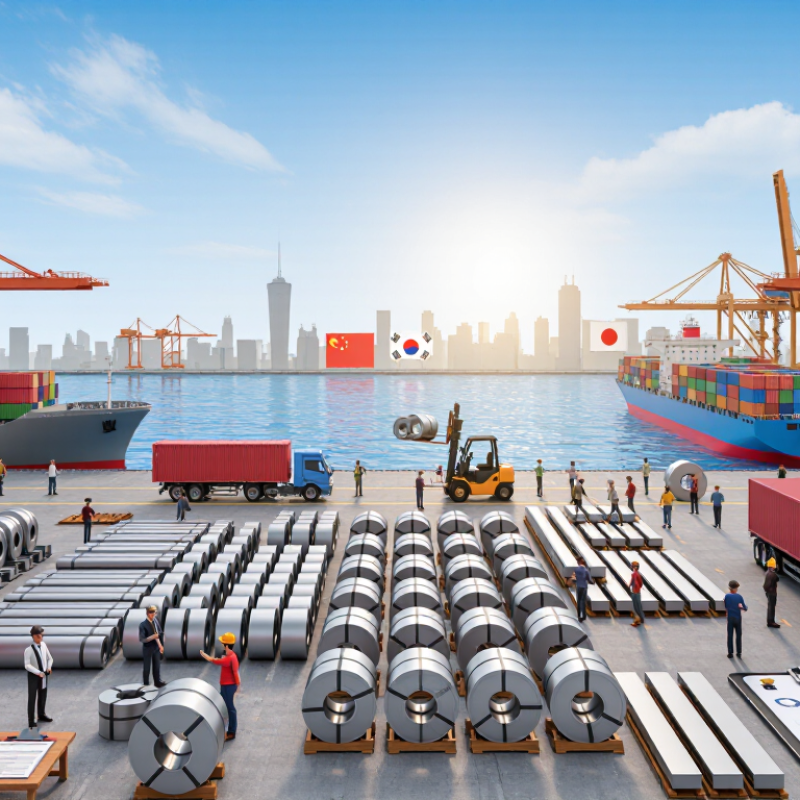
Global Steel exporting in 2026 requires clear definitions before comparing leading exporters. The World Steel Association reported approximately 1.88 billion tonnes of crude steel production in 2024. This figure measures furnace output, not exportable products. Export statistics usually cover finished or semi-finished steel, including slabs, plates, bars, and coils.
A shipment of Export-Quality Steel Coilsmay be counted under different customs classifications. Hot-rolled and Cold-Rolled Coils serve different buyers, specifications, and pricing structures. UN Comtrade data records international trade by product codes, customs value, and weight. These measures can disagree. A country may export fewer tonnes but achieve higher value through processed grades.
The OECD’s recent steel capacity analysis also highlights continuing overcapacity concerns across major producing regions. That pressure can influence offers, inventories, and delivery times in 2026. Yet production capacity is not the same as reliable export supply. Buyers should check mill certificates, thickness tolerance, coil weight, origin, and shipment records. Small details matter.
The definition remains imperfect. Some reports include intra-regional trade, while others exclude it. Currency changes can distort annual rankings. A practical comparison should combine official customs data, production statistics, and verified transaction experience. Global buyers need to ask one direct question: what exactly does “steel exporter” include?
Steel-export rankings are not based on production alone. World Steel Association data reports about 1.88 billion tonnes of crude steel production in 2024, but exporters are ranked through trade flows. UN Comtrade records usually measure export value or shipment weight under specific HS codes. These codes may include flat products, long products, tubes, and semi-finished steel. The result can change significantly.
Recent UN Comtrade data places China among the largest exporters by volume, with Japan, South Korea, Germany, Italy, and Türkiye also frequently appearing near the top. However, the order depends on the year and product category. A country may export less tonnage but achieve higher value through coated or precision-made products. OECD reports also warn about excess capacity and shifting trade patterns. That makes a simple league table useful, but incomplete. I would question any ranking that does not state its measurement method.
Tips: Compare both tonnes and export value. Check whether the figures include intra-regional trade. Review customs data beside World Steel Association production figures. Buyers should also examine product standards, delivery distance, port reliability, and trade-policy changes. Small data differences matter.
2026 Top Steel Exporters: What Global Buyers Need to Know?
Steel export leadership changes with energy costs, currency movements, and regional demand. Major exporting countries commonly include China, Japan, South Korea, India, Turkey, Germany, and several European producers. However, rankings can shift during a single quarter. No ranking stays perfect.
Their product categories also differ. China supplies large volumes of flat steel, coated sheets, pipes, and construction products. Japan and South Korea are strong in automotive-grade sheets, electrical steel, and shipbuilding materials. India exports billets, long products, stainless steel, and selected flat products. Turkey remains active in rebar, wire rod, profiles, and welded pipes. European exporters often focus on high-specification sheets, galvanized products, and engineering steel.
Product names can hide important differences. A buyer should check grade, thickness tolerance, surface condition, coil weight, and applicable standards. Mill Test Certificates must match the physical shipment, not just the purchase order. Ask for heat numbers, inspection records, and packing photographs before loading. Small details matter. Salt air can damage poorly wrapped coils during ocean transport.
Experienced procurement teams also compare delivery reliability, not only the lowest quotation. A cheaper offer may carry higher risks through unclear tolerances or unstable lead times. I have seen buyers overvalue price and underestimate documentation. That approach needs reflection. Export data may show volume, but it rarely reveals rejection rates, port delays, or after-sales responsiveness. A careful supplier review should combine trade statistics, factory evidence, independent inspection, and recent customer references.
| Rank | Exporting Country | Region | Approx. 2024 Export Volume (Million Metric Tons) | 2026 Export Outlook | Main Product Categories | Typical Buyer Markets | Key Buyer Considerations |
|---|---|---|---|---|---|---|---|
| 1 | China | East Asia | Approximately 95 | High export availability | Hot-rolled coil, cold-rolled coil, galvanized sheet, plate, rebar, wire rod, sections and semi-finished steel | Asia, the Middle East, Africa and Latin America | Check anti-dumping exposure, product certification, mill traceability, payment terms and shipment lead time. |
| 2 | Japan | East Asia | Approximately 31 | Stable, quality-led | Automotive sheet, electrical steel, plate, hot-rolled coil, cold-rolled coil and specialty flat products | Asia, North America and Europe | Strong dimensional consistency and surface quality; buyers should confirm technical specifications and delivery schedules. |
| 3 | South Korea | East Asia | Approximately 27 | Stable to moderately positive | Automotive sheet, galvanized steel, coated sheet, plate, hot-rolled coil and electrical steel | Asia, North America and Europe | Suitable for demanding manufacturing applications; verify coating weight, automotive grades and trade remedies. |
| 4 | Germany | Western Europe | Approximately 25 | Moderate, regulation-sensitive | Flat steel, automotive grades, engineering steel, stainless steel, plate and sections | European Union, North America and neighboring markets | European standards, carbon reporting, recycled-content documentation and energy-related cost factors are important. |
| 5 | Italy | Southern Europe | Approximately 20 | Stable regional supply | Rebar, wire rod, merchant bars, flat steel, tubes and specialty long products | European Union, North Africa and the Mediterranean region | Competitive for regional deliveries; buyers should confirm production route, standards, bundle weights and transport costs. |
| 6 | Türkiye | Europe and West Asia | Approximately 18 | Flexible, infrastructure-driven | Rebar, wire rod, billet, merchant bars, sections, hot-rolled coil and welded pipe | Europe, the Middle East, North Africa and the United States | Shorter transit times to nearby markets; assess safeguard measures, origin rules and billet-to-finished-product availability. |
| 7 | Belgium | Western Europe | Approximately 16 | Stable, specialty-oriented | Flat steel, galvanized products, tinplate, stainless steel, wire rod and specialty grades | European Union, North America and nearby industrial markets | Efficient logistics and strong processing capabilities; verify sustainability declarations and European compliance requirements. |
| 8 | Vietnam | Southeast Asia | Approximately 13 | Growth potential with policy risk | Hot-rolled coil, coated sheet, galvanized sheet, rebar, wire rod and steel pipe | Southeast Asia, North America, Europe and Australia | Confirm origin documentation, production route, coating specifications and exposure to regional trade investigations. |
| 9 | India | South Asia | Approximately 12 | Increasing capacity and reach | Flat steel, galvanized sheet, plate, rebar, wire rod, stainless steel and semi-finished products | Middle East, Southeast Asia, Europe and Africa | Growing export capability; buyers should assess port logistics, quality consistency, carbon data and applicable duties. |
| 10 | Russia | Eastern Europe and Eurasia | Approximately 12 | Market-access constrained | Slab, billet, hot-rolled coil, plate, rebar, wire rod and semi-finished steel | Eurasia, the Middle East, Africa and selected Asian markets | Sanctions, banking restrictions, insurance, shipping access and country-specific import controls require careful review. |
Data note: Volumes are rounded indicative estimates for finished and semi-finished steel trade and may vary according to the product codes, reporting year and inclusion of intra-regional shipments. The 2026 outlook is a buyer-planning assessment, not a forecast of guaranteed exports. Buyers should verify current customs duties, safeguards, sanctions, carbon-border rules, technical standards and origin requirements before placing orders.
In 2026, leading steel exporters will compete through reliable routes, flexible capacity, and predictable delivery. Global buyers should examine more than annual production figures. A large mill may still face port congestion, vessel shortages, or inland transport delays.
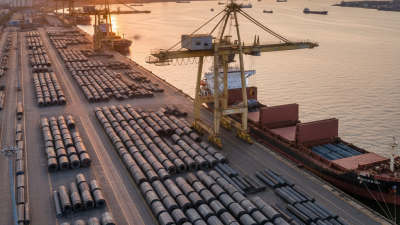
Trade routes strongly influence the delivered price of hot-rolled steel coil export orders. Deep-water ports can support larger vessels and reduce handling costs. Shorter routes may offer faster replenishment, especially for buyers managing low warehouse stocks. Buyers should compare freight quotes, insurance, customs procedures, and average transit times. Small delays matter.
Production capacity also needs careful verification. Exporters with multiple furnaces can adjust output during maintenance or energy shortages. However, published capacity is not always available capacity. Buyers should request recent production schedules, quality certificates, and realistic loading windows. A competitive offer means little if coils arrive with inconsistent thickness or surface defects.
Export competitiveness depends on quality, finance, and communication. Stable chemical composition supports predictable processing at downstream plants. Clear documentation reduces border questions and unexpected storage charges. Payment terms can influence the final cost as much as the quoted steel price. Some buyers focus too heavily on the lowest offer. That approach can fail. A better review compares total landed cost, route risk, coil specifications, and supplier responsiveness. Regional demand may also change quickly, so a ranking based on one month’s trade data deserves caution.
Global steel buyers in 2026 will examine more than price. They will ask how each coil was made, tested, and documented.
In steel coil wholesale, quality begins with chemistry control and stable rolling conditions. A reliable supplier should provide heat numbers, mill test certificates, and production dates. These records connect the coil to its origin. Buyers should check carbon, manganese, thickness, width, yield strength, and tensile strength. Surface appearance matters too. Look for edge cracks, rust stains, waviness, and uneven oil. Small flaws can become expensive during slitting or stamping.
Certifications should match the intended use, not simply decorate a sales file. Common requirements may include ISO 9001 quality systems, environmental records, and laboratory inspection reports. Construction, automotive, and appliance applications can require different grades and tolerances. Confirm the applicable national or project standard before signing a contract. Ask whether testing follows recognized methods and whether samples are retained. A clear inspection plan should define sampling frequency, acceptance limits, packing, and claims handling. This is where misunderstandings begin.
Experienced buyers also inspect loading photos, moisture protection, coil weight, and label accuracy. A steel coil can pass chemical tests yet arrive with damaged packaging. That is not minor. Verify traceability from invoice to coil tag. Independent pre-shipment inspection can reduce uncertainty with new suppliers. Still, documents cannot prove every real-world condition. Complete files may hide vague tolerances or weak communication. Ask direct questions, record each agreed detail, and allow room for corrective action. Reliability is built through these details.
Tariffs, regulations, and supply risks will shape steel exports in 2026. World Steel Association data shows global crude steel production reached about 1.88 billion tonnes in 2024. Large producing countries may remain influential, but production volume does not guarantee stable exports. Trade remedies, carbon rules, and regional quotas can quickly change landed costs. A low offer may hide future duties.
Carbon reporting is becoming a purchasing requirement. The European Union’s Carbon Border Adjustment Mechanism entered its definitive phase in 2026, requiring importers to account for embedded emissions. Buyers should request heat numbers, production routes, emissions data, and mill certificates before signing contracts.
UNCTAD reports that maritime transport carries over 80% of global trade by volume. Port congestion, insurance costs, and sanctions screening therefore remain practical risks. One missing document can delay a full coil shipment. That is not theoretical.
Tips:
Compare suppliers using total landed cost, not invoice price. Ask each high-quality steel coil manufacturer for production origin, traceability records, testing standards, and backup shipping routes.
Check tariff classification with an independent customs specialist. Review payment terms carefully. Keep safety stock near critical plants. Forecasts can fail. A recent supplier audit, however, may reveal coating variation, weak packaging, or inconsistent delivery records before production stops.
OECD steel market analysis also warns that excess capacity can intensify trade pressure, making sudden policy changes more likely.
China’s double bright cold-rolled steel coil sector continues to attract attention as manufacturers respond to rising demand for consistent surface quality, precise dimensions, and dependable supply. Insights commonly associated with World Steel Association and CRU market analysis highlight the importance of production efficiency, downstream requirements, and quality control in competitive steel markets. For applications requiring a highly reflective appearance, suppliers must combine advanced processing with stable chemical and mechanical performance.
Our double bright coils are produced in China through a carefully controlled two-stage polishing process. Initial grinding with 600-grit abrasives is followed by electrochemical buffering, creating a smooth mirror finish with an Ra value of ≤0.3 μm and a DOI of ≥95. The process minimizes peak-to-valley heights above 0.1 μm, helping achieve the luxurious reflective surfaces required for decorative, precision, and forming applications. Manufactured to comply with EN 10130 DC04–DC06 specifications, these coils offer reliable consistency for customers seeking both visual quality and practical performance. As an experienced supplier and factory, we support customized requirements, stable production schedules, and quality-focused delivery for international buyers.
It usually means a country shipping finished or semi-finished steel internationally. Definitions vary. Some reports include regional trade, while others exclude it.
Common products include slabs, plates, bars, billets, pipes, and steel coils. Product categories differ by country and buyer demand.
Energy costs, currencies, inventories, and regional demand can change rankings within one quarter. No ranking stays perfect.
No. Production capacity does not guarantee reliable export availability. Buyers should check recent shipment records, delivery times, and mill evidence.
Confirm grade, thickness tolerance, surface condition, coil weight, origin, and required standards. Small details matter.
Mill certificates should match the shipment’s heat numbers and product specifications. Request inspection records and packing photographs before loading.
A low price may hide unstable delivery, unclear tolerances, or weak documentation. Cheap can become expensive.
Check wrapping quality, moisture protection, and loading methods before departure. Salt air can damage poorly wrapped coils. I would not trust photographs alone.
Combine customs data, factory evidence, independent inspection, and recent customer references. Trade volume alone cannot show rejection rates or after-sales response.
The 2026 global Steel Export market is shaped by production capacity, trade volume, product quality, logistics efficiency, and the ability to meet changing buyer requirements. This overview explains how leading steel-exporting countries can be evaluated, considering their output, export consistency, product categories, trade routes, and competitiveness. It also examines how different regions supply flat steel, long steel, semi-finished materials, and specialized products to international buyers.
For buyers, successful sourcing requires more than comparing prices. Quality standards, testing documents, certifications, delivery reliability, payment terms, tariffs, customs procedures, and evolving environmental regulations all influence purchasing decisions. Supply chain risks, including freight disruptions, production changes, currency movements, and policy adjustments, should also be assessed in advance. By understanding these factors, global buyers can compare suppliers more effectively, reduce procurement uncertainty, and build a more resilient steel sourcing strategy in 2026.