Global buyers are heading into 2026 with tougher demands: strength, consistency, and production you can actually trace. Tempered Steel is still a big deal in vehicles, construction equipment, tools, energy systems, and industrial machinery. But the name can be a little misleading. Tempering is a heat-treatment process—it’s not one single steel grade.
This guide looks at the main types you’ll run into across international supply chains. That includes quenched and tempered carbon steel, alloy steel, spring steel, tool steel, and Stainless Steel. Each one balances hardness, toughness, fatigue resistance, weldability, and cost in its own way. A mining component might need impact toughness, while a cutting tool may need top-tier wear resistance. Small differences really do matter.
George Krauss, a respected expert in steel metallurgy, once said, “The properties of steel are determined by its microstructure.” That idea still holds up when you’re choosing materials for reliable results. Tempering temperature, cooling practice, chemistry, and section thickness can all shift final performance. So before ordering, buyers should check mill certificates, heat-treatment records, mechanical test results, and whatever specs apply.
Numbers alone won’t tell the whole story.
In practice, supplier quality can vary from batch to batch—even when grades look identical. This guide compares performance, applications, manufacturing considerations, and purchasing risks for global buyers. It also admits an uncomfortable truth: no universal ranking works for every project. A low-cost grade might do great in one environment and fail early in another. Careful engineering review is still a must, especially when fatigue, corrosion, welding, or extreme temperatures are in the picture.
What Is Tempered Steel and Why Does It Matter to Global Buyers?
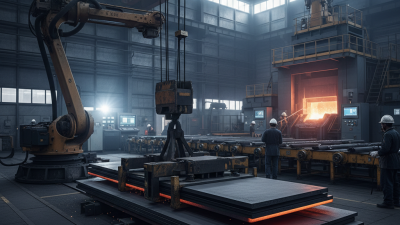
Tempered Steel is steel that has been hardened and then reheated under controlled conditions. This tempering step reduces brittleness and adjusts hardness, toughness, and impact resistance. The result is not simply “hard steel.” It is a carefully balanced material for demanding parts, such as shafts, gears, fasteners, springs, and wear-resistant plates.
For global buyers, this balance matters because service conditions vary widely. A part used in a mining machine may need stronger impact resistance than one used in a precision tool. Carbon tempered steel can offer practical strength at a competitive cost. Alloy tempered steel may provide better hardenability and fatigue performance in thicker sections. Spring and tool steels require closer control of elasticity, surface quality, and heat treatment records. Ask for the grade, chemical composition, hardness range, tensile data, and tempering temperature. Traceability matters.
Searches for “Tempered Steel Rust” often reveal a common misunderstanding. Tempering does not make steel corrosion-proof. Moisture, salt, scratches, and storage conditions still influence rust formation. A clean surface can mislead. It may still corrode inside a humid shipping container. Protective oil, suitable packaging, and inspection after arrival can reduce this risk. Certificates help, but they are not magic. Buyers should compare test results with actual operating needs, because selecting maximum hardness alone can create a brittle and expensive failure.
How Tempered Steel Is Classified by Carbon Content and Alloying Elements
2026 Top Types of Tempered Steel for Global Buyers
Tempered steel is commonly classified by carbon content and alloying elements. Carbon content strongly affects hardness, strength, weldability, and fracture risk. Low-carbon grades usually contain below 0.25% carbon. They offer better weldability and toughness, but their maximum hardness is limited.
Medium-carbon steel often contains about 0.25% to 0.60% carbon. It can achieve a useful balance between strength and impact resistance after quenching and tempering. High-carbon steel contains more than 0.60% carbon. It can reach high hardness, yet it may become less forgiving during welding or sudden impact. These ranges can vary by standard, so buyers should check the applicable specification.
Alloying elements refine this classification. Manganese and silicon improve hardenability and strength. Chromium supports wear resistance and deeper hardening. Nickel can improve toughness, especially in colder service conditions. Molybdenum helps resist temper embrittlement and softening at elevated temperatures. Vanadium forms hard carbides and can refine grain structure. Small additions of boron may increase hardenability, but only when carefully controlled.
Chemistry is not the whole story. A 40-millimeter plate and a 10-millimeter bar may respond differently to the same heat treatment. Buyers should request chemical analysis, hardness results, tensile data, impact testing, and heat-treatment records. Test methods matter. A certificate can look complete while missing the details needed for comparison. The classification remains useful, but it is not perfect.
Which Tempered Steel Grades Offer the Best Strength and Toughness?
For global buyers, the best tempered steel grade depends on strength, toughness, section size, and service conditions. There is no universal winner.
AISI 4140 is a practical choice for shafts, gears, and hydraulic components. It offers balanced tensile strength, hardenability, and impact resistance after quenching and tempering. AISI 4340 provides higher toughness and fatigue resistance, especially for heavily loaded shafts or landing components. However, it usually costs more and requires tighter heat-treatment control. AISI 4130 suits lighter structures where weldability and moderate strength matter. For simpler parts, 1045 can be economical, but its hardenability is limited in thick sections. A small test section may perform well, while a large production part behaves differently.
Tips: Check the required hardness, impact energy, and section thickness before ordering. Request heat-treatment records, mechanical test results, and traceable material certificates. Confirm whether the stated properties apply longitudinally or transversely. These details matter.
In real workshops, 4140 often gives the safest balance for general machinery. Still, excessive hardness can reduce toughness and increase cracking risk. Tempering temperature changes the final balance significantly. Do not select a grade from tensile strength alone. Review loading cycles, operating temperature, machining needs, and surface treatment. Some specifications appear impressive on paper, yet fail when corners, threads, or poor transitions concentrate stress. That is where careful design matters.
How Heat-Treatment Methods Change Tempered Steel Performance
2026 Top Types of Tempered Steel for Global Buyers
Heat treatment changes tempered steel more than its chemical label suggests. Quenching rapidly cools heated steel and creates a hard martensitic structure. Tempering then reheats it at a controlled temperature to reduce brittleness. Small temperature changes can alter toughness, hardness, and dimensional stability.
Oil quenching usually provides balanced cooling for medium and high-alloy grades. Water cools faster, but it can increase distortion and quench cracking. Polymer solutions offer adjustable cooling rates for complex parts. Austempering can improve impact resistance through a bainitic structure. It is useful for components facing repeated loads.
Tempering temperature matters greatly. Lower temperatures preserve hardness for wear-resistant parts. Higher temperatures improve toughness for shafts, gears, and structural fasteners. High-Tensile Tempered Steel often needs careful temperature control because excessive hardness may reduce fatigue life. A sharp hardness reading is not automatically better. We have seen parts pass surface tests yet fail after repeated impact. That result deserves review, not excuses. Buyers should request hardness ranges, tensile data, impact values, and heat-treatment records. Grain size and residual stress also matter. A supplier’s certificate helps, but independent sampling remains sensible. During inspection, compare several locations because corners may cool faster than thick centers. Even experienced engineers can overlook this difference.
2026 Top Types of Tempered Steel for Global Buyers
How heat-treatment methods change tempered steel performance
Representative hardness values are shown in HRC after quenching and tempering at selected temperatures. Lower-temperature tempering generally retains higher hardness, while higher-temperature tempering reduces hardness and improves toughness, ductility, and resistance to service cracking. Actual results vary with chemistry, quench medium, section size, austenitizing temperature, and cooling rate.
Which Tempered Steel Types Suit Construction, Automotive, and Machinery Uses?
Construction buyers usually need quenched-and-tempered structural steel, such as Q&T carbon or low-alloy grades. These steels combine high yield strength with useful impact toughness. They suit beams, excavator arms, cranes, and pressure-bearing frames. The World Steel Association recorded 1.89 billion tonnes of crude steel production in 2023, showing the market’s immense scale. Yet, grade selection still depends on weldability, thickness, temperature, and local standards. Higher strength is not automatically better.
Automotive buyersoften choose tempered boron steel for safety cages and ultra-high-strength components. It performs well after hot forming, but repairs require controlled heating and qualified procedures. Advanced High-Strength Steel also supports lighter doors, rails, and chassis parts. The International Energy Agency reported more than14 million electric cars sold globally in 2023. That growth increases demand for lighter structures and durable suspension parts. Still, corrosion protection can be overlooked.
Machinery applications often favor tempered alloy steel, including chromium-molybdenum grades, for gears, shafts, pins, and hydraulic components. Spring-tempered steel fits repeated bending, while wear-resistant tempered plate suits buckets and mining equipment. Hardness testing, impact testing, and full heat-treatment records provide stronger purchasing evidence than a certificate alone. This is where buyers sometimes make mistakes. A lower-cost grade may fail earlier under shock loading, while an over-specified grade can complicate welding and machining. Testing should reflect the actual service condition, not only the catalog value.
How Global Buyers Should Compare Tempered Steel Quality, Cost, and Supply
Global buyers often compare Quenched And Tempered Steelby grade alone. That is risky. Real performance depends on chemistry, heat treatment, section size, and final hardness. Ask for Mill Test Certificates, tensile results, impact values, and hardness readings from the actual lot. A serious supplier should explain testing methods, sampling locations, and tolerance ranges. I have found that one hardness number rarely tells the whole story.
Cost comparison should include cutting loss, machining time, freight, duties, and inspection. A cheaper plate may create more distortion or rework. Price is only one part. Check production capacity, monthly allocation, lead time, packaging, and backup logistics. Request a recent production schedule, not a broad promise. Keep specifications written clearly. Small wording gaps can cause large delivery disputes. Supply planning is never perfect; weather, port congestion, and raw material changes can interrupt careful schedules.
Tips: Compare three suppliers using the same grade, thickness, hardness range, and test standard. Confirm whether values are guaranteed or typical. Order a sample or trial batch before a large contract. Photograph labels and packaging at receipt. If results conflict, use an independent laboratory. Do not ignore surface cracks, edge damage, or unexpected camber. These details often reveal handling or process problems earlier than paperwork.
What Standards and Certifications Should Buyers Check in 2026?
For global buyers, tempered steel should be purchased against a clearly stated standard, not a vague grade name. ASTM A6/A6M supports general requirements for structural steel, while ASTM A480/A480M covers flat-rolled stainless products. European buyers may require EN 10088-2 for stainless steel or EN 10204 Type 3.1 inspection certificates. The correct choice depends on carbon content, hardness, tensile strength, thickness, and end use. Ask for heat numbers stamped on each coil.
Evidence matters.
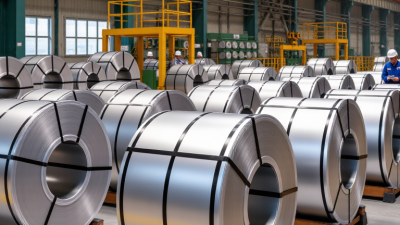
The World Steel Association recorded about 1.88 billion tonnes of global crude steel production in 2024. This scale makes traceability essential, especially in steel coil wholesale transactions. Buyers should verify mill test certificates, chemical analysis, hardness results, tensile testing, dimensional tolerance, and surface inspection. Testing laboratories should operate under ISO/IEC 17025. Suppliers should also maintain ISO 9001 quality systems, although ISO 9001 alone does not certify steel performance.
Check destination requirements carefully. EN 10204 certification, REACH declarations, and material traceability may be requested in European supply chains. Automotive applications may require IATF 16949 from the supplier, but that is a management-system certification, not a steel-grade approval. Certificates can look complete and still omit heat treatment details. I have seen buyers overlook this small field. It matters. A practical purchase file should match the purchase order, coil label, laboratory report, and shipping documents. Mistakes remain possible, so retain samples and define an independent inspection process before loading.
Cold-Rolled Steel Coil (Matt Finish): Insights from World Steel Association and Grand View Research Reports
Global steel industry statistics reported more than 1.8 billion tonnes of crude steel production in recent years, underscoring the material’s continuing importance in automotive, appliance, construction, and industrial manufacturing. Market research forecasts also indicate steady expansion in the cold-rolled Steel Coil sector, supported by demand for lighter, formable, and consistently finished sheet products. Within this market, matte-finish coils are increasingly valued for their functional surface characteristics rather than appearance alone.
Manufactured in China with advanced EDM-textured work rolls, our cold-rolled matte finish coils achieve a controlled Ra of 1.8–2.5 µm and a uniform, non-directional grain. Their surface gloss of 60–85 GU can improve paint adhesion by up to 40% compared with bright finishes, helping manufacturers achieve more reliable coating performance and consistent appearance. The coils are available in JIS G3141 SPCC and SPCE grades and are batch annealed at 710°C. Precise r-values ranging from 1.4 to 1.8 support deep drawing, making these materials suitable for complex components that require strength, dimensional stability, and resistance to forming defects.
FAQS
Low-carbon steel usually contains below 0.25% carbon. It welds easily and offers good toughness. Hardness remains limited. Medium-carbon steel contains about 0.25% to 0.60% carbon. It balances strength and impact resistance after heat treatment. High-carbon steel exceeds 0.60% carbon. It reaches higher hardness but may crack more easily.
Manganese and silicon improve strength and hardenability. Chromium supports wear resistance and deeper hardening. Nickel can improve toughness in cold conditions. Molybdenum reduces softening during high-temperature service. Vanadium forms hard carbides and refines grain structure. Small boron additions can improve hardenability when carefully controlled.
There is no universal best choice. Selection depends on section thickness, loading, hardness, and service temperature. Medium-carbon alloy steel often provides a practical balance. Higher-toughness grades suit heavily loaded shafts and rotating parts. Simpler carbon steel may reduce cost but harden poorly in thick sections. The answer changes with the job.
A 40-millimeter plate may respond differently from a 10-millimeter bar. Thicker sections cool more slowly at the center. Their core hardness and toughness may differ from surface results. A small test piece can look excellent. The production part may not. That gap deserves attention.
Request chemical analysis, hardness results, tensile data, impact testing, and heat-treatment records. Ask about sampling locations and test methods. Confirm whether results apply longitudinally or transversely. Check the actual production lot. A certificate can look complete while missing useful details.
Compare more than the purchase price. Include cutting loss, machining time, freight, duties, inspection, and possible rework. A cheaper plate may cause distortion or extra machining. Request clear thickness, hardness, tolerance, and test requirements. Small wording gaps can create expensive disputes.
Check labels, packaging, surface cracks, edge damage, and unexpected camber. Photograph the material before unloading completely. Compare markings with the certificate. Inspect several pieces, not only the top plate. Paperwork may look perfect. Physical evidence can disagree.
No. Hardness does not fully show toughness, fatigue resistance, or cracking risk. Review tensile strength, impact energy, section size, and operating temperature. Consider machining and surface treatment needs. Excessive hardness may reduce toughness. I would not choose from one impressive number.
Conclusion
Tempered Steel is a heat-treated material designed to balance hardness, strength, toughness, and resistance to cracking. For global buyers, understanding its classification by carbon content and alloying elements is essential, as these factors influence performance, machinability, weldability, and cost. Different grades and tempering conditions can deliver advantages for construction structures, automotive components, industrial machinery, shafts, gears, and other demanding applications.
A reliable purchasing decision should consider the relationship between tensile strength, impact toughness, fatigue resistance, dimensional stability, and service conditions. Buyers should also compare heat-treatment methods, surface quality, chemical composition, production consistency, lead times, packaging, and total supply-chain cost rather than focusing only on the quoted price. In 2026, quality verification should include appropriate international or regional standards, material test certificates, traceability records, inspection procedures, and relevant management or product certifications. Clear technical specifications and independent inspection can help buyers reduce risks and select tempered steel that meets both application requirements and long-term supply expectations.