Leave Your Message
When it comes to global buyers picking materials, it's often more about consistency than just chasing the lowest price. You know, something like a High-Grade Cold-Rolled Coil can make all the difference — it has a smooth surface, tight control over thickness, and it forms reliably, which is crucial for stuff like auto panels, appliance housings, precision tubes, and electrical parts. At first glance, a coil might look pretty straightforward, but trust me, the details behind its manufacturing really matter. For example, how it's annealed affects its hardness and how much it can stretch. The precision in rolling influences how well it cuts, stamps, or gets assembled. Plus, surface treatments play a big role in how well paint sticks and how resistant it is to rust.
Typically, experienced procurement teams won’t just look at a product photo. They’ll check the chemical makeup, tolerances in dimensions, coil weight, the condition of edges, and how it’s packaged to keep it protected. Certificates from the mill, like the Test Certificates, need to match what you ordered — whether it’s based on standards like ASTM, EN, or JIS. And if there's a third-party inspection, even better. Small variations in thickness during processing can cause issues down the line, especially after stamping. Also, moisture lurking inside poorly sealed packaging can cause stains before the coil even gets to your factory. Little details might seem minor, but ignoring them can end up costing a fortune.
Of course, there's no one-size-fits-all answer here. Sometimes, that high-grade coil might cost a bit more than your average material, but it could be worth it in the long run. When shopping around, don’t just settle for the initial quote — compare overall performance. Before signing on the dotted line, double-check everything: the grade, width, thickness, surface finish, and delivery terms. Look for suppliers who keep good production records and are quick to support with technical questions. That said, no documents beat a thorough incoming inspection. Even with a solid order in place, surprises can still pop up, so trust your own checks. In the end, the whole sourcing game is about balancing standards, real-world experience, and honest assessment of what’s feasible. It's not just about getting the lowest price, but about making sure you get the right material for your needs.
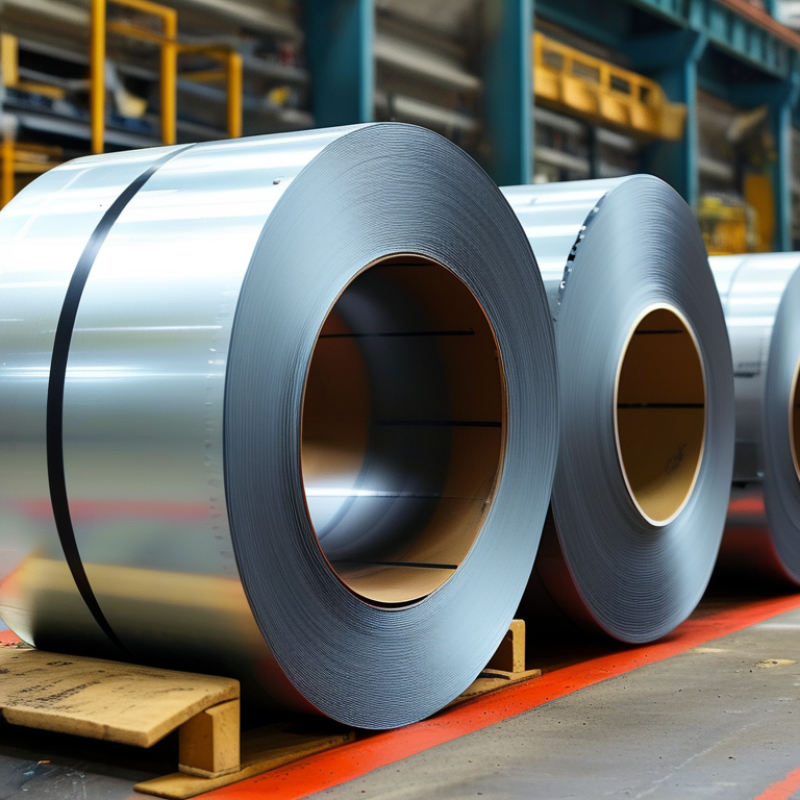
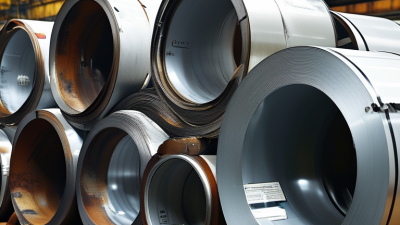
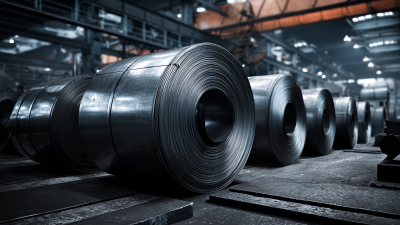
High-Grade Cold-Rolled Coil is steel reduced to precise thickness at room temperature. This process improves dimensional accuracy, surface smoothness, and mechanical consistency. Unlike hot-rolled steel, it usually has tighter thickness tolerance and a cleaner appearance. Buyers often check yield strength, tensile strength, elongation, surface finish, coil weight, and edge condition. Reliable mills also provide inspection reports, chemical analysis, and traceable production records. These details help manufacturers control stamping, bending, painting, and further coating operations.
Cold-rolled coil is not automatically Food-Grade Tinplate. It can become a substrate for tinplate after cleaning, annealing, temper rolling, and tin coating. Food-contact use requires suitable coatings, hygienic processing, and applicable compliance documents. No coil is perfect. A small edge mark may appear during handling, yet it may not affect performance. Buyers should judge defects against agreed specifications, not appearance alone. That practical distinction is easy to overlook.
Tips: Confirm thickness tolerance before ordering. Request sample inspection data. Check surface requirements for your forming process. Ask whether the material is intended for deep drawing, general fabrication, or later coating. Do not rely only on a glossy surface; internal properties matter. A lower price can become expensive when coils crack, wrinkle, or require extra processing. Experienced buyers compare test results, packaging quality, loading methods, and delivery consistency before making a decision.
| Data Dimension | Typical Information | Why It Matters to Global Buyers | Common Reference Standards |
|---|---|---|---|
| Product Definition | High-grade cold-rolled coil is flat carbon steel that has been reduced in thickness at room temperature after hot rolling, then supplied in coiled form. | Provides a smooth, dimensionally consistent material for precision manufacturing. | EN 10130, ASTM A1008/A1008M, JIS G 3141 |
| Typical Steel Grades | Commercial quality, drawing quality, deep-drawing quality, and high-strength low-alloy grades are commonly available. | Buyers can match formability and strength to automotive, appliance, construction, or general fabrication requirements. | DC01–DC06 under EN 10130; CS, DS, DDS, and HSLA categories under ASTM specifications |
| Carbon Content | Low-carbon cold-rolled grades often contain approximately 0.02%–0.12% carbon by mass, depending on the grade and applicable standard. | Lower carbon content generally supports better welding and forming performance. | The exact chemical limits must be confirmed against the selected grade standard. |
| Common Thickness Range | Approximately 0.20–3.00 mm for many commercial cold-rolled coil products. | A broad thickness range supports both lightweight components and more rigid sheet-metal parts. | Actual availability depends on grade, mill capability, width, and tolerance requirements. |
| Common Width Range | Approximately 800–2,000 mm before slitting or cut-to-length processing. | Wide coils improve material utilization and allow buyers to order slit coils for specific production lines. | Width and edge requirements should be stated in the purchase specification. |
| Surface Finish | Common finishes include bright, matte, and dull surfaces, usually followed by oiling or another specified protective treatment. | A uniform surface improves painting, coating, stamping, and visible-part appearance. | Surface designation and finish class should be agreed before production. |
| Yield Strength | Low-carbon drawing grades may have yield strength roughly below 280 MPa, while HSLA grades are commonly specified at higher minimum yield strengths. | Yield strength indicates resistance to permanent deformation and helps determine part design and forming limits. | Values vary significantly by grade, temper, and standard; confirm the certified minimum. |
| Tensile Strength | Typical low-carbon grades may fall broadly within 270–450 MPa, while high-strength grades can be substantially higher. | Tensile strength helps buyers assess load capacity and select suitable forming or structural grades. | Mechanical limits must be checked in the applicable product standard and mill certificate. |
| Elongation and Formability | Deep-drawing grades generally provide higher elongation than commercial-quality or high-strength grades; values are grade-specific. | Higher elongation reduces cracking risk in stamping, bending, and deep-drawing operations. | Use the required elongation, r-value, and forming-limit criteria when applicable. |
| Dimensional Accuracy | Cold rolling provides controlled thickness, width, flatness, and shape, subject to the selected tolerance class. | Consistent dimensions improve production stability, reduce trimming losses, and support automated processing. | Thickness and width tolerances should be specified under the relevant standard. |
| Typical Applications | Automotive panels, electrical cabinets, appliances, furniture components, lighting parts, drums, tubes, and precision sheet-metal products. | The material combines clean appearance, formability, strength, and repeatable processing performance. | Application selection should consider forming severity, corrosion exposure, and coating requirements. |
| Weldability | Low-carbon cold-rolled steel is generally suitable for resistance welding and common fusion-welding processes when grade and thickness are appropriate. | Good weldability supports efficient assembly and reduces the need for specialized joining methods. | Welding parameters should be validated for the specific chemistry, thickness, and joint design. |
| Corrosion Protection | Uncoated cold-rolled steel is not inherently corrosion-resistant and normally requires oiling, painting, plating, or another protective coating. | Correct protection is essential for storage, ocean transport, and outdoor or humid service conditions. | Specify oiling level, coating system, packaging, and storage conditions before shipment. |
| Quality Documentation | A typical shipment may include a packing list, certificate of origin, dimensional inspection results, and a mill test certificate showing chemistry and mechanical properties. | Traceable documentation supports customs clearance, incoming inspection, and customer quality audits. | Documentation requirements should be agreed in the purchase order and contract. |
| Main Buying Advantages | Smooth surface, precise dimensions, repeatable mechanical properties, good formability, efficient coil processing, and broad international standard coverage. | These features can reduce production variation, material waste, rework, and total processing cost. | The final benefit depends on correct grade selection, inspection, packaging, and logistics planning. |
| Key Purchasing Checks | Confirm grade, standard, thickness, width, tolerance class, surface finish, oiling, coil weight, inner diameter, packaging, and inspection requirements. | Clear specifications help prevent substitution, fit-up problems, surface defects, and unexpected import costs. | Use a detailed technical datasheet and approved inspection plan for international orders. |
Note: The ranges shown are general industry guidance. Exact chemical composition, mechanical properties, dimensions, and tolerances depend on the specified grade and governing standard.
: It is steel reduced to a precise thickness at room temperature. This process improves thickness accuracy, surface smoothness, and mechanical consistency. Small marks happen. Compared with hot-rolled steel, it usually has a cleaner appearance and tighter tolerances.
Check yield strength, tensile strength, elongation, hardness, flatness, and thickness tolerance. Inspect the surface for deep scratches, dents, rust, and uneven oil coverage. Edge condition also matters. A glossy surface alone proves little.
No. Cold-rolled coil is not automatically suitable for food-contact use. It may require cleaning, annealing, temper rolling, and a suitable coating. Hygienic processing and applicable compliance documents are also necessary. The substrate and final coated product are different materials.
Request a mill test certificate, chemical analysis, inspection data, and traceable production records. Check the heat number against the coil label and packing list. Recent independent test results can provide additional confidence. Paperwork is useful, but physical inspection still matters.
Ask for close photographs of the surface, edges, inner diameter, and outer wrapping. An independent inspector can verify dimensions, coil weight, flatness, and surface quality. Request time-stamped loading records when transport conditions matter. Pictures can miss small defects.
Yes. Waterproof paper, strong steel straps, and suitable supports help reduce moisture damage. During ocean transport, condensation can create rust even on well-produced steel. Store coils on dry, level supports after delivery. Packaging is not perfect.
It can support stamping, bending, painting, coating, and general fabrication. Buyers should confirm whether the material suits deep drawing or lighter forming. Tight tolerances can improve feeding and finished-panel appearance. The wrong grade may crack or wrinkle during production.
Not always. A cheaper coil may create extra processing, rejected parts, or delayed production. Compare test results, tolerance limits, packaging quality, loading methods, and delivery consistency. A small edge mark may not affect performance. Judge defects against agreed specifications, not appearance alone.
High-Grade Cold-Rolled Coil is a precision-engineered steel product valued for its smooth surface, consistent thickness, excellent flatness, and reliable mechanical performance. It is manufactured by reducing hot-rolled steel to the required gauge at room temperature, followed by processes such as annealing, skin passing, leveling, slitting, and quality inspection. These steps improve dimensional control, surface appearance, formability, and overall consistency, making the material suitable for demanding international supply requirements.
Global buyers prefer High-Grade Cold-Rolled Coil because its accurate dimensions and clean finish help reduce processing waste and support efficient fabrication. It performs well in automotive components, appliances, electrical equipment, furniture, construction products, and general metal manufacturing. Before purchasing, international buyers should verify the steel grade, thickness and width tolerances, surface condition, coil weight, mechanical properties, packaging, inspection documents, production capacity, delivery terms, and compliance with applicable standards. Careful evaluation of these factors helps ensure stable quality, predictable processing, and reliable long-term procurement.