When it comes to packaging steel, it's not just about grabbing the strongest sheet out there. Yeah, the choice can have a big impact on how well your product stays protected, how long it stays fresh, how fast you can produce, and ultimately, your costs. It's easy to think that more strength equals better, but really, it’s all about matching the steel to your specific needs. I mean, a food producer shipping acidic sauces needs something different than a paint manufacturer storing heavy liquids. The packaging has to fit what you're shipping, the filling process, how it travels, and how long you want it to last once stored.
So, start by looking at what your product needs and what you want the package to do. Think about things like resistance to corrosion, how easily it can be shaped, the thickness, coating type, weldability, and sealing requirements. It’s a good idea to ask your suppliers for their technical data sheets and double-check that those numbers actually match the grade and coating you need. If possible, test some samples on your actual filling line. What looks good on paper or in a demo might not hold up during high-speed filling — a can could wrinkle or slow down your seamer. Little details like that really add up.
And don’t just focus on the sticker price. Take a broader look at costs—consider scrap rates, downtime, transportation fees, and possible damages during transit. Also, make sure you can rely on a steady supply of the steel you choose, not just get a good price today. Plus, keep track of your trials—failures included—they can be super helpful for future decisions.
Remember, there’s no one-size-fits-all solution here. Just because one supplier says their steel is the best doesn’t mean you should take it at face value. One successful test doesn’t guarantee it’ll work long-term, especially with seasonal changes or if your storage time varies. This part is easy to overlook but really important. Before making a big purchase, involve your packaging, production, and quality teams. Their insights often reveal trade-offs that a simple spec sheet might miss. In the end, picking the right steel is all about balancing measurable performance with real-world conditions—and staying flexible enough to reassess if your product or process changes down the line.
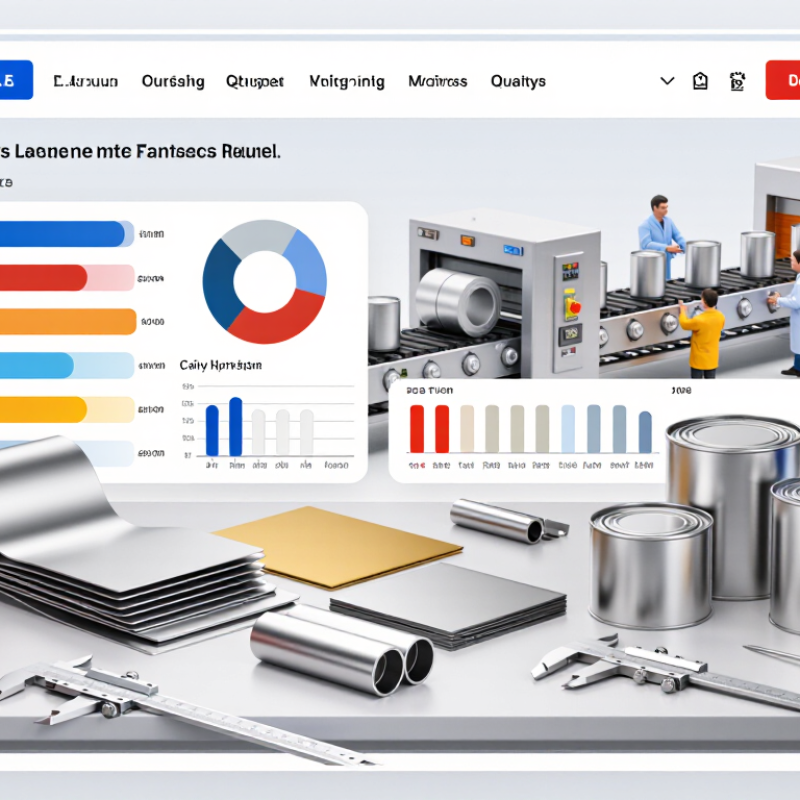
Before selecting tinplate for packaging, define what the product needs the pack to do. Record its weight, acidity, moisture, oil content, and sensitivity to light or oxygen. Note the filling temperature, sealing method, and expected shelf life. Details matter. A tomato-based product, for example, may need a different internal coating from dry biscuits. The coating and steel thickness should suit both the contents and the forming process, not just the target price.
Check the package’s physical demands, too. Will it be stacked on a pallet, chilled, or shipped over long distances? Specify dimensions, closure type, and acceptable denting before requesting supplier samples. Then test filled packs under realistic storage and transport conditions. A neat sample on a desk proves little. A common planning mistake is choosing a gauge before confirming line speed and forming requirements; changing it later can mean costly trials. APEAL’s European Steel for Packaging Recycling Report, based on 2022 data, reported an 80.5% recycling rate for steel packaging in Europe. That is useful context, not a guarantee that every local pack will be collected or recycled. Check the intended market’s recovery system and packaging specifications as well.
Packaging Steel grades differ in strength, formability, and surface finish. A deep-drawn can needs steel that bends without splitting; a stiff lid may need a harder temper. Tinplate has a thin tin layer and suits many formed containers. Chromium-coated steel, often called tin-free steel, offers a surface that bonds well with lacquer. It usually needs coating protection for demanding contents.
Coatings are not interchangeable. Tin can support soldering and help protect the steel, while lacquer can separate the metal from acidic or salty products. The right choice depends on the contents, forming process, and storage conditions. Small details matter. A coating that performs well on a flat sheet may crack around a sharp bend. Ask for grade and coating specifications, then test samples on your actual production line. Check cut edges, seams, and formed corners for damage. When comparing steel coil wholesale offers, confirm the coating weight and temper, not just the price. I’ve seen teams focus on the quoted grade and overlook how their forming tools affect the finish. That assumption is easy to make, and worth checking early.
Compare common coating-weight ranges for tinplate and electrolytic chromium-coated steel (ECCS).
Tinplate uses a metallic tin coating, while ECCS uses chromium and chromium-oxide layers. The ranges show coating mass per surface and are not a direct measure of corrosion protection or overall performance. Choose a steel grade and coating based on the product, forming process, joining method, and required corrosion resistance.
Choosing packaging steel means balancing strength, formability, and corrosion resistance. A sheet must protect its contents without adding unnecessary weight or making production difficult. Start with the package’s job: Will it hold a heavy product, stack in a warehouse, or face damp conditions? These details guide the steel grade and thickness.
Strength matters during filling, transport, and stacking. A can wall that dents under pressure may compromise appearance or protection. Yet simply choosing thicker steel is not always the best fix. It can increase material use and make forming harder.
Review the expected loads, then test samples under realistic stacking and handling conditions. Small trials can reveal weak seams or panel distortion.
Formability affects how cleanly steel bends, draws, and joins. Ask production teams to check for cracking around tight corners and uneven edges after forming. Corrosion resistance depends on what the package will encounter, including moisture, salts, and the product itself.
Match the steel surface or protective coating to those conditions, and inspect cut edges and seams, where protection may be less consistent. Keep samples in the actual storage environment when possible. It is a simple test, but not a perfect one. Heat, handling, and production variation can change results, so review performance again after a full production run.
Food-contact safety starts with the intended use, not just the steel grade. A can for acidic tomatoes may need a different internal coating than one for dry biscuits. Heat, storage time, and food chemistry can affect whether packaging materials remain suitable. Small defects matter. A scratched coating or poorly formed seam can create risks that a polished specification sheet may not reveal.
Ask suppliers for current food-contact declarations, coating details, test results, and batch traceability records. Check that documents cover your product, processing temperature, and target sales markets. Rules differ between markets, so confirm requirements with a qualified compliance professional rather than assuming one certificate applies everywhere. A high-quality steel coil manufacturer should be able to explain material controls and provide consistent records, but supplier claims still need verification. Review samples, inspect edges and surfaces, and discuss how changes in coating or production are communicated. Testing can add cost and time. Skipping it may be worse. I have seen teams focus on price and overlook a simple question: does the evidence match the exact packaging application?
Choosing packaging steel means checking the supplier, not just comparing prices. Request Mill Test Certificates, coating-weight results, thickness tolerances, and batch traceability. Then inspect sample sheets for edge damage, rust, and surface variation. Paperwork is not proof. Run a trial on your own forming line and record rejects, tool adjustments, and downtime. This matters when buyingbulk hot-rolled steel as an upstream input: inconsistent coils can disrupt later rolling and coating stages. The World Steel Association reported 1,882.6 million tonnes of crude steel production in 2024, but global output does not guarantee the grade or dimensions you need locally.
Compare total delivered cost, including cutting, freight, storage, and quality-related scrap. Ask suppliers to quote the same specification and delivery terms. A low price can look less attractive after one delayed shipment. Availability deserves its own check: confirm current stock, realistic lead times, minimum order quantities, and backup supply routes. UNCTAD’s Review of Maritime Transport 2024 reported that maritime trade grew 2.4% in 2023, while warning that shipping disruptions create uncertainty. Build a modest buffer for critical grades, but avoid tying up cash in excess inventory. I have seen planning assumptions become stale quickly; review them against actual consumption and supplier delivery records, not promises alone.
Compare the common packaging-steel options below. Cost and availability are relative, typical market considerations—not fixed quotations—and vary by region, order volume, thickness, coating, and market conditions.
| Steel Option | Typical Packaging Uses | Protection and Processing Considerations | Supplier Quality Checks | Relative Cost | Typical Availability | Best-Fit Consideration |
|---|---|---|---|---|---|---|
| Electrolytic tinplate | Food and beverage cans, closures, aerosol containers, and general line packaging. | A steel base with a tin coating. The coating supports corrosion protection and solderability; the appropriate coating and any internal lacquer depend on the product and filling conditions. | Check steel grade, thickness, tin-coating specification, surface finish, flatness, dimensional tolerances, certificates, and consistency between deliveries. Confirm food-contact compliance where applicable. | Usually medium to high relative to uncoated packaging steel; coating weight and market prices affect the final cost. | Commonly available in established packaging markets; lead times and available gauges depend on region and order size. | A versatile starting point when corrosion protection, forming, and established can-making processes are priorities. |
| Electrolytic chromium-coated steel (ECCS / tin-free steel) | Can ends, closures, crowns, and other components that are subsequently coated or lacquered. | Uses a chromium-based surface treatment rather than a tin layer. It generally needs a suitable organic coating for product-contact corrosion protection and is not soldered in the same way as tinplate. | Verify coating specification, surface cleanliness, lacquer adhesion compatibility, formability, edge performance, and suitability for the intended joining process. | Often competitive with tinplate, but the total cost depends on coating, lacquering, conversion, and local supply. | Available from specialist packaging-steel supply chains; regional choice may be narrower than for common tinplate. | Consider for coated components when the design and production line are compatible with chromium-coated steel. |
| Uncoated low-carbon Steel Sheet | Packaging components where a separate protective coating, lacquer, or other finishing process is part of the design. | Does not have a metallic tin or chromium coating. It can rust in the presence of moisture, so protection and product compatibility must be addressed in the finished package. | Check grade, thickness, mechanical properties, surface condition, rust prevention during storage and transport, and compatibility with the planned finishing process. | Typically lower as a raw sheet than coated packaging steel; finishing and corrosion-protection costs add to the total. | Steel sheet is broadly traded, but packaging-suitable specifications and formats should be confirmed with suppliers. | May suit designs with a validated downstream coating process and cost-sensitive applications. |
| Supplier capability and service | Applies to any steel option and to both sheet and coil purchases. | Reliable supply depends on more than the material: slitting, shearing, protective packaging, storage, and delivery controls can affect production performance. | Request traceable test certificates, documented inspection procedures, sample material, defect-handling terms, change-notification practices, and evidence of consistent delivery performance. | Compare total landed cost, including processing, freight, duties, protective packaging, inspection, scrap, and the cost of production interruptions. | Confirm stock status, minimum order quantity, replenishment lead time, backup supply options, and whether the quoted specification is regularly stocked. | Choose a supplier able to meet the specification consistently and support the required production schedule—not simply the lowest quoted price. |
Packaging steel should be specified around the production line, not chosen by thickness alone. For deep-drawn two-piece cans, prioritize ductility and consistent thickness so the cup forms without splitting. Three-piece bodies need steel that suits rolling and seam welding. Check temper, gauge tolerance, surface finish, and coating with your supplier, then trial the material on the actual line. Small differences matter. A coating that performs well in storage may behave differently during forming or heat processing.
Match the specification to the product, too. Acidic contents, long shelf life, and retort heating can require different internal coatings and corrosion testing. Ask for technical data, coating details, and test results under your real filling conditions; do not rely only on a generic grade name. World Steel Association’s World Steel in Figures 2024 estimates that around 680 million tonnes of steel are recycled annually, supporting steel’s circularity. But recyclability does not fix a poor process match. That part is easy to overlook. If line trials show scuffing, paneling, or inconsistent seams, revisit the gauge, temper, and coating together instead of changing one variable blindly.
Base it on product weight, stacking loads, and handling conditions. Test samples before increasing thickness. More steel can complicate forming.
Fill and stack sample packages under realistic conditions. Look for dents, weak seams, or distorted panels. Small trials help.
Run the steel through your actual production line. Inspect tight corners for cracks and edges for unevenness. Check seams, too.
Match the surface or coating to moisture, salts, and product chemistry. Inspect cut edges and seams closely. They may be less protected.
Request current declarations, coating details, test results, and batch records. Confirm they cover your food, processing temperature, and sales markets.
Not necessarily. Requirements can differ by market and application. Confirm them with a qualified compliance professional, rather than assuming.
Deep-drawn cans need ductility and consistent thickness. Three-piece bodies need steel suited to rolling and seam welding. Trial the material on your line.
Review gauge, temper, and coating together. Changing one variable blindly may hide the real cause. I might still miss something. Recheck after a full production run.
Choosing the right Packaging Steel begins with understanding your product, how it will be stored or transported, and the demands placed on its packaging. These requirements help narrow down suitable steel grades and coatings. Compare options for strength, formability, and corrosion resistance so the material can protect the product while still being practical to shape and manufacture. For food packaging, also confirm that the material and its coatings meet applicable safety and regulatory requirements.
Next, consider the supplier’s quality controls, pricing, and ability to provide a consistent supply. The best specification should work with your existing production equipment and processes, not just meet performance needs on paper. By balancing product protection, manufacturing requirements, compliance, availability, and total cost, your business can select Packaging Steel that supports dependable production and reliable packaging performance.