Navigating the world of Steel Exportcan be pretty tricky sometimes. Everyone agrees that really understanding how the market works is super important. I mean, John Smith, a well-known expert from Steel Dynamics, pointed out that, “Getting into successful Steel Export isn't just about knowing the facts; you also gotta be flexible and ready to adapt.”
Buyers around the globe face their fair share of hurdles, like demand that’s all over the place or tariffs that suddenly pop up. And each market’s got its own rules you really need to pay attention to. It’s crucial to work with suppliers who you can trust—those who truly stick to quality standards. Building good communication is the secret sauce here; it’s how you develop strong relationships.
A lot of folks also underestimate just how important logistics are. Bad shipping plans? They can cause delays and blow up costs. Thinking about these issues honestly can help you come up with smarter strategies. Once you embrace the fact that things can be complicated, you’ll find it easier to turn those obstacles into real opportunities for success in steel export. It’s all about the right mindset — what seems like a challenge today might be a breakthrough tomorrow.
Understanding the Global Steel Market Dynamics and Trends
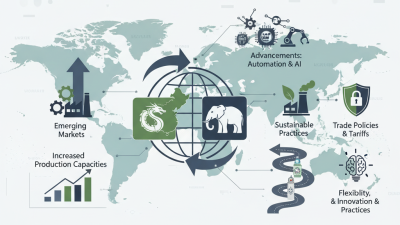
Understanding Global Steel market dynamics requires a comprehensive approach. The demand forExport-Quality Steel Coils fluctuates based on various economic factors. Recent trends indicate a growing preference for high-quality materials among buyers. Supply chain issues also play a significant role in market stability. An awareness of these elements is vital for navigating the steel export landscape.
Economic indicators, such as production rates and international trade agreements, greatly influence market trends. For instance, changes in tariffs can impact pricing and availability. Buyers should be cautious about these shifts. Price volatility is common, challenging even experienced buyers. Establishing strong relationships with suppliers is essential for maintaining a steady supply of Export-Quality Steel Coils.
Attention to sustainability is increasing in the steel industry. Buyers are now prioritizing environmentally friendly practices. This shift is not just a trend; it reflects growing consumer awareness and regulatory pressures. However, balancing quality, cost, and environmental responsibility poses challenges. Navigating these complexities requires informed decision-making. Understanding these dynamics will help buyers make better choices in a competitive market.
Key Regulatory Frameworks Affecting Steel Exports Worldwide
Navigating the steel export landscape demands an understanding of key regulatory frameworks that impact global buyers. The World Steel Association reported that the global crude steel production reached 1.86 billion tons in 2022, highlighting the industry's vast scale. However, international trade in steel is subject to various trade policies and regulations that can complicate transactions. These regulations often include tariffs, quotas, and import licenses that vary by country.
The European Union, for instance, has implemented measures to regulate imports to protect its domestic market. Buyers in this region should familiarize themselves with the EU's anti-dumping duties if they are interested in hot-rolled steel coil export. This practice aims to prevent low-cost imports that threaten local producers. Countries like the U.S. have similar policies, which can create barriers for international traders.
When engaging in steel exports, keep these considerations in mind. Compliance is crucial. Not adhering to the regulations can lead to significant delays and financial losses. Consult local regulatory bodies for accurate information. Investing in legal advice from trade experts can provide clarity. This approach helps mitigate risks associated with shifting trade policies. Steel buyers should develop resilient sourcing strategies to adapt to these changes. Regularly monitor the evolving regulatory landscape to ensure a successful export journey.
Steel Export Volume by Region (2023)
This bar chart illustrates the steel export volumes by different regions in 2023. Asia leads the export market significantly, followed by North America and Europe. Understanding these trends is crucial for global buyers navigating the steel export landscape.
Essential Quality Standards and Certifications for Steel Products
Navigating the complexities of steel export requires a solid understanding of quality standards. Global buyers must be aware of essential certifications that ensure product reliability. This knowledge distinguishes reputable suppliers in a competitive market. For instance, adherence to ISO standards can enhance a product's credibility. ISO certifications are internationally recognized and signify compliance with rigorous quality management practices.
Moreover, regional standards play a crucial role in specific markets. ASTM and EN standards provide guidelines that vary by region. Understanding these standards helps buyers make informed decisions. Some suppliers may lack awareness of these requirements, placing their buyers at risk. This aspect often leads to challenges in meeting customer expectations and fulfilling contracts.
Quality assurance isn’t just about certifications. It's essential to conduct thorough inspections during the procurement process. Engaging third-party testing agencies can provide unbiased evaluations. However, some companies overlook this step, leading to significant quality issues. Such oversights reflect poorly on the supplier and can harm long-term business relationships.
Identifying Leading Steel Exporting Countries and Their Market Shares
Identifying leading steel exporting countries is crucial for global buyers. In 2021, China dominated the steel export market, accounting for nearly 50% of the global supply. This dominance raises questions about sustainability and long-term pricing stability. Other key players include India and Japan, who together contributed about 15% of global exports.
Market shares can fluctuate due to various factors, including trade policies and economic conditions. For example, the European Union’s regulations on steel imports significantly impact supply chains. In contrast, nations like South Korea and Turkey are expanding their export capacities. They aim to capture more market share amid fluctuating demand.
A notable concern is the over-reliance on a few major exporters. Buyers must consider diversifying their sources to avoid disruptions. In recent years, trade tensions have led to price volatility, making it essential for companies to stay informed. Understanding the dynamics of steel trade and recognizing emerging players in the market can create opportunities for buyers seeking stability and growth.
Navigating Tariffs and Trade Barriers in Steel Export Agreements
Navigating tariffs and trade barriers is crucial in steel export agreements. Tariffs can significantly impact pricing and demand. Buyers often face complex regulations that vary by country. Understanding these rules is essential for effective negotiation. Research is key to reveal hidden costs in steel export. Knowledge about tariffs can avoid unexpected expenses.
Trade barriers, like quotas and anti-dumping duties, complicate the process. Exporters must be aware of these regulations. The potential for extra costs should not be underestimated. A clear analysis of trade policies can lead to better decision-making. steel coil wholesale deals are particularly sensitive to these factors. Fluctuating import duties can shift market dynamics.
Reflection is necessary. Many buyers overlook the implications of non-compliance with trade laws. This can result in penalties or lost opportunities. Keeping abreast of regulatory changes is vital. It is also beneficial to consult with experts who understand the market. Developing a flexible strategy will help in adapting to challenges in steel export agreements.
How to Successfully Navigate Steel Export for Global Buyers? - Navigating Tariffs and Trade Barriers in Steel Export Agreements
| Country | Export Tariff (%) | Trade Barrier Type | Estimated Delivery Time (Days) | Additional Costs (USD) |
| United States | 25% | Anti-Dumping Duty | 30 | 1500 |
| European Union | 15% | Quotas & Standards | 25 | 1200 |
| China | 15% | Export Quotas | 20 | 800 |
| India | 10% | Licenses | 35 | 700 |
| Brazil | 12% | Trade Barriers | 40 | 950 |
Utilizing Market Intelligence and Data for Informed Export Decisions
Navigating the global steel export market requires strategic insight and data analysis. Market intelligence plays a vital role in making informed decisions. Understanding market demand, pricing trends, and regional regulations can significantly enhance export strategies. Data-driven insights allow businesses to adapt quickly to dynamic market conditions.
One essential approach is to research and analyze target markets thoroughly. Use reliable databases and trade reports to identify potential buyers. Look at consumption patterns, local competition, and purchasing capabilities. This research helps to tailor marketing efforts effectively.
Market intelligence tools can offer predictive analytics. These tools help assess risks and forecast market shifts. Implementing real-time data can enable timely adjustments to pricing and production. Having accurate data mitigates the risk of over-committing resources.
Reflecting on past export experiences can also provide valuable lessons. Evaluate which markets provided the best returns and which faced challenges. This introspection helps refine future strategies. Remember, adaptability is key in an ever-evolving landscape. Utilize analytics not just for current decisions but also for long-term planning.
Leveraging Technology and Innovation in Steel Export Logistics
In today's global market, steel exporters face numerous challenges. Efficient logistics are crucial for success. Technology and innovation play vital roles in streamlining operations and enhancing reliability. Digital tracking systems can provide real-time updates. These systems improve transparency and build trust with buyers. Yet, not all exporters fully embrace such tools. Some rely on traditional methods and often face delays.
Innovative solutions also include AI and machine learning. They can forecast demand, identify trends, and optimize inventory levels. For high-quality steel coil manufacturers, this can mean fewer overproduction issues. However, adaptation to new technologies requires time and investment. Many companies struggle with implementation. The learning curve can slow initial progress, yet the long-term benefits are significant.
Logistics management platforms help coordinate shipments efficiently. These tools ensure that exports meet deadlines and quality standards. Yet, a lack of skilled personnel can hinder proper use. Training staff is essential for maximizing the efficacy of these tools. Ultimately, balancing technology with skilled human input is key.
Exploring the Benefits and Market Insights of Corrosion-Resistant Cold-Hardened Steel Coils: A Comprehensive Analysis of High-Strength Production Trends in the Industry
Corrosion-resistant cold-hardened steel coils have emerged as a vital component in various industries, thanks to their exceptional strength and durability. The production of these high-strength materials relies heavily on advanced manufacturing techniques, such as severe plastic deformation, which enables the attainment of ultra-fine grain sizes. Utilizing Sendzimir mills, the process reduces the thickness of steel coils by 50–95%, significantly enhancing their tensile strength to reach levels as high as 1,200 MPa. The resulting elongation rates between 3–8% demonstrate the material's ability to withstand substantial stress while maintaining structural integrity.
Moreover, the thermal treatment of these coils plays an essential role in stabilizing their microstructure. By employing proprietary annealing cycles conducted in controlled H₂/N₂ atmospheres, manufacturers achieve a remarkable hardness level ranging from HRB 70 to 100, with a strict tolerance of ±2 HRB. This meticulous approach ensures that the end product not only meets the stringent standards set by various industries but also provides reliable performance in demanding applications. The combination of these production techniques underlines the growing trend towards high-strength materials, which address the evolving needs of the market while offering significant benefits in terms of longevity and resistance to corrosion.
FAQS
: ISO certifications are important. They show compliance with quality management practices. Regional standards, like ASTM and EN, matter too.
Regional standards guide buyers in specific markets. They help make informed decisions about suppliers. Lack of awareness can risk buyer trust.
Quality assurance goes beyond certifications. Inspections during procurement are vital. Third-party testing provides unbiased evaluations.
Overlooking quality inspections can lead to serious issues. It reflects poorly on suppliers. This can damage long-term business relationships.
China leads with nearly 50% of global steel exports. India and Japan contribute around 15%. Their market shares can fluctuate.
Over-reliance creates risks for buyers. Trade tensions can cause price volatility. Diversifying suppliers may reduce the risk of disruptions.
Trade policies influence supply chains. The EU’s regulations can significantly impact imports. Buyers must stay informed about these changes.
Some suppliers may not understand quality standards. This can lead to unmet expectations. It's essential for buyers to verify supplier credibility.
Economic conditions and policy changes can impact market share. Countries like South Korea and Turkey are expanding capacities amid demand changes.
By understanding the dynamics of steel trade, buyers can make better decisions. Recognizing emerging exporters can create growth opportunities.
Conclusion
Successfully navigating steel export requires a comprehensive understanding of the global steel market dynamics and trends that shape purchasing behaviors and pricing structures. Key regulatory frameworks play a critical role in influencing international trade, while essential quality standards and certifications ensure that products meet market expectations. Identifying leading steel exporting countries and their respective market shares is also crucial for exporters looking to establish a competitive edge.
Furthermore, navigating tariffs and trade barriers is fundamental for seamless export agreements. Utilizing market intelligence and data aids in making informed decisions, while leveraging technology and innovation streamlines logistics in the steel export process. By integrating these elements, global buyers can effectively maneuver the complexities of steel export and enhance their trading strategies.