Leave Your Message
0%

Picking an Industrial Steel supplier? Honestly, it's not just about comparing prices. You might get a coil with uneven thickness, and that can really mess up your production line. And if their grade documentation is unclear, quality checks become a headache. You want a supplier that actually fits your specific job, your delivery schedule, your specs—not just someone with the biggest catalog out there.

Alright, so this guide digs into seven industrial steel suppliers, but it's not just a list - we're evaluating them using some practical buying criteria: product range, grade availability, dimensional tolerances, documentation, order flexibility, and delivery support. We also can't forget about industrial steel coil suppliers(you can check them out here) because coil quality, edge condition, and packaging all have a big impact on handling and downstream processing. Look, I get it – a polished website can be pretty impressive. But honestly, that alone doesn't prove much. Before you commit to any order, you really should check if they actually have the stock in hand, ask for the Mill Test Certificates that matter, and make sure you're clear on how they handle claims or delays. I've been burned before, so take it from me – it's all about separating what they promise from what they can actually deliver.

Honestly, 'best' is relative—it really depends on what you're using the material for. For example, a fabricator ordering standard plate might care more about reliable regional delivery, whereas a manufacturer buying specialty coil could be more focused on tight tolerances and consistent batch quality. No one supplier is going to fit every single operation perfectly, and this comparison isn't a substitute for checking the specs yourself. That's an important thing to remember. But you can still use the profiles to narrow down your options, then dive into written quotes, technical documents, and realistic lead times to make a final call. You know, we tend to obsess over the quoted price, but honestly, the small print—the service terms—can matter just as much. Those little differences? They can end up being the real deal-breaker.
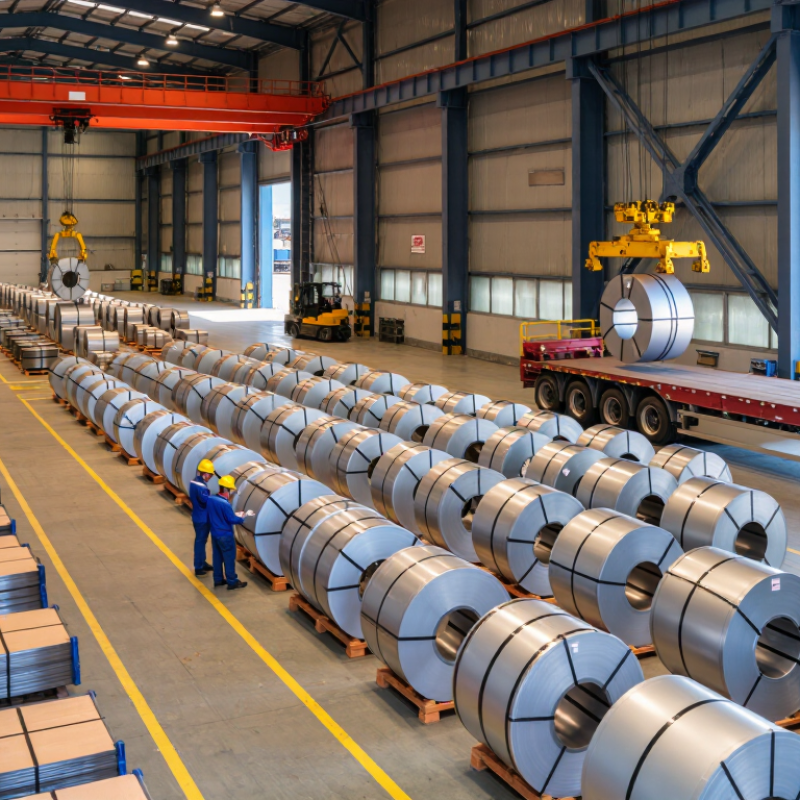
What Are the 7 Best Industrial Steel Suppliers?

ArcelorMittal: A Global Steel Producer for Diverse Industries

A Global Steel producer serves more than one market. Its mills may supply automotive sheet, construction beams, electrical steel, and plate for heavy equipment. The World Steel Association’s April 2024 Short Range Outlook projected global steel demand of 1,751 million tonnes in 2024 and 1,772 million tonnes in 2025. That scale matters, but buyers still need the right grade, thickness, and delivery schedule. A coil arriving late can stall a production line.

Industrial Steel Materials also differ in how they are made and finished. A supplier serving diverse industries needs dependable quality checks, clear product specifications, and technical support when fabrication problems arise. The International Energy Agency’s Iron and Steel Technology Roadmap notes that steel production accounts for about 7% of global energy-system emissions. This makes production efficiency and lower-emissions steel increasingly relevant procurement factors. Yet broad product coverage alone proves little. Buyers should verify mill certificates, traceability, and consistency between sample and shipment. The details can be tedious. They matter. Large-scale supply can offer reach, but it does not remove the need to assess each order carefully.

Tata Steel: Integrated Steelmaking and Industrial Product Solutions

An integrated steelmaker links ironmaking, steelmaking, casting, and rolling within a coordinated production system. This can help maintain consistent chemistry and dimensions across large orders. Industrial buyers may source hot-rolled coil, plate, bars, or coated sheet for fabrication and equipment manufacturing. The exact range depends on the supplier’s facilities and product standards.

That connection matters. For a fabricator, predictable thickness and surface quality can reduce adjustment work on the shop floor.

A procurement team should still check grade specifications, test certificates, tolerances, and delivery schedules before placing an order. Ask how products are tracked from production to dispatch, especially when several batches must meet the same requirements.

Integration is not a cure-all. A large supplier may not suit every order size or delivery window, and product availability can vary. I would compare technical documentation and sample results against the actual application, rather than assuming that scale alone guarantees a better fit.

Steel Dynamics: North American Steel Production and Distribution

North American steel production depends on more than furnace capacity. Industrial buyers also need reliable processing, inventory, and delivery. A supplier with production and distribution operations can connect these steps more closely. That may help customers coordinate orders for beams, plate, coils, and other steel products.

The details matter. A fabricator may need a specific thickness, finish, or delivery window. Regional service centers can hold common grades, cut material to size, and reduce the distance between stock and jobsite. Production facilities, meanwhile, support larger volumes and broader product needs. Still, availability varies by grade, location, and market conditions. Buyers should confirm specifications and lead times directly.

A useful supplier review looks beyond quoted price. Ask how material is traced, what inspection documents accompany an order, and how shortages are handled. Check whether the supplier serves your region and can accommodate changing schedules. One limitation is easy to overlook: a large distribution network does not guarantee every product is nearby. Planning helps, but it is not perfect. A trial order can reveal how well communication, packaging, and delivery work in practice.

Ryerson: Metal Processing and Supply for Industrial Buyers

Industrial buyers need steel that arrives in usable condition, not just a quoted grade and price. A dependable supplier can help match sheet, plate, bar, or structural products to the job. Processing options may include cutting, slitting, and shearing, depending on equipment and order requirements. That can reduce handling at the shop and leave less scrap on the floor. Small details matter. A clean cut and clearly labeled bundle save time when production is moving.

Good Industrial steel solutions also depend on accurate communication. Buyers should confirm dimensions, tolerances, material specifications, delivery schedules, and documentation before placing an order. A supplier’s processing capacity is useful only when it fits the actual workflow. Ask how orders are packaged and whether partial shipments are available. These questions can prevent avoidable delays. Still, processing does not solve every sourcing problem; unusual specifications or sudden demand changes may require flexibility from both sides. I would compare service reliability alongside price, because the lowest quote can become costly if material arrives late or needs extra work.

Reliance Steel & Aluminum: A Broad Network of Metal Service Centers

A broad network of metal service centers can make steel sourcing more practical for manufacturers with plants in different regions. Local teams may offer access to common grades, cut-to-length processing, and scheduled deliveries. For industrial steel coil buyers, proximity can reduce transit time and simplify replenishment planning. It does not guarantee every specification is on the floor.

A useful supplier relationship starts with clear details: grade, thickness, width, coating, tolerances, and required documentation. Ask how material is stored and protected, and confirm whether processing is handled locally or elsewhere in the network. These steps help prevent surprises when coils arrive at a busy production line. Small mismatches matter.

A network can also provide backup options when one location has limited stock. Still, buyers should check actual availability, lead times, and freight costs for each order. A nearby service center may not be the least expensive choice, especially for unusual sizes or tight delivery windows. I would not assume that a large footprint automatically means better service; response times and communication vary between locations. Keep specifications and order changes in writing, then review delivery performance over several shipments.

thyssenkrupp Materials Services: Global Steel Distribution and Processing

Global steel distribution depends on reliable sourcing, practical inventory, and clear communication across regions. A capable materials network can connect buyers with mills, stockholders, and processing facilities while coordinating delivery schedules. This matters when a project needs consistent grades across several production runs.

Small details matter.

Processing can also reduce work at the receiving plant. Depending on the facility and order, steel may be slit, cut to length, or prepared to specified dimensions. Industrial Steel Coils, for example, may need careful handling and accurate width control before they reach a stamping or fabrication line. Buyers should confirm tolerances, documentation, packaging, and available capacity before placing an order.

Global reach is useful, but it does not guarantee a smooth shipment. Transit times, local stock levels, and changing demand can affect availability. A supplier should explain these limits rather than promise certainty. Ask how material is inspected and how substitutions are approved. A missed detail can disrupt a production schedule, and even experienced teams sometimes need to revisit their assumptions. Clear specifications help both sides catch problems earlier.

Samuel, Son & Co.: Industrial Metals and Customized Supply Services

A strong industrial metals supplier does more than quote a price per ton. It helps match grades, dimensions, and delivery schedules to the job. Customized services may include cut-to-length processing, bundled orders, and scheduled replenishment. These details matter on a shop floor, where a late plate or incorrectly sized bar can hold up production. Small differences count.

Scale adds another consideration. World Steel Association’s World Steel in Figures 2024 reports 1,892.6 million tonnes of crude steel production worldwide in 2023. That figure describes the industry, not any individual supplier’s stock or reliability. Buyers should confirm material certifications, available inventory, processing tolerances, and delivery performance directly. Ask how orders are tracked, too. Clear answers beat polished promises. A supplier offering industrial metals alongside tailored supply support can reduce handling and simplify purchasing, especially across varied product sizes. Still, customization is not automatically better; extra processing can add cost or lead time. Compare the service against actual production needs, and check the details before committing.

Double-Bright Cold-Rolled Steel Coils: Quality, Applications and Supply Trends | World Steel in Figures 2024

Double-Bright Cold-Rolled Steel Coils: Quality, Applications and Supply Trends | World Steel in Figures 2024

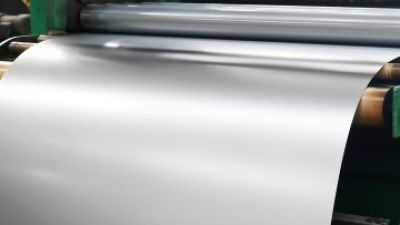
Double-bright cold-rolled steel coils combine a smooth surface with the formability needed for demanding manufacturing. Their reflective finish suits appliance panels, interior fittings, decorative components, and other products where appearance matters alongside consistent performance. As manufacturers seek materials that can support both precision fabrication and refined finishes, reliable coil quality and steady supply remain important considerations.

Produced at a factory in China, these coils undergo a two-stage finishing process: initial grinding with 600-grit abrasives, followed by electrochemical buffering. The process delivers a mirror finish with Ra ≤ 0.3 μm and DOI ≥ 95, while reducing peak-to-valley heights to below 0.1 μm—features valued in luxury reflective applications. The coils are specified to meet EN 10130 DC04–DC06 requirements, offering options for different forming needs. Against a backdrop of evolving steel supply and demand, dependable production, clear quality specifications, and consistent surface results help buyers assess suitability for their applications.

FAQS

What should industrial buyers confirm before ordering steel?

Confirm the grade, dimensions, tolerances, delivery dates, and required documents. Keep order changes in writing.

Which processing services can reduce shop-floor handling?

Cutting, slitting, shearing, and cut-to-length work may prepare material for production. Check that the equipment suits your order.

How can packaging affect production?

Clearly labeled, protected bundles help crews identify material quickly. Clean cuts may reduce extra work and floor scrap.

Does a nearby service center guarantee fast supply?

No. Check local stock, exact specifications, freight costs, and lead times. Nearby helps, but it is no guarantee.

What should coil buyers ask about storage and processing?

Ask how coils are protected, where processing happens, and whether thickness and coating match your specifications. Details matter.

How can a supplier network support material availability?

Another location may offer backup stock when one is short. Response times can vary, so review performance across several deliveries.

Is customized processing always the better choice?

Not always. Extra cutting or bundling may save handling but add cost or lead time. I would still compare it with the actual workflow.

How should buyers evaluate a supplier beyond price?

Compare communication, certifications, availability, processing accuracy, and delivery performance. A low quote can cost more if material arrives late or needs rework.

Conclusion

Choosing the right Industrial Steel supplier depends on a company’s materials, processing, and delivery needs. Some suppliers operate large-scale steelmaking facilities and serve a wide range of industries, while others combine integrated production with product solutions tailored to industrial applications. Regional producers and distributors can offer access to steel across North America, helping buyers source materials through established production and distribution networks.

Metal service centers provide another option, often processing materials to meet specific dimensions or project requirements. Broad service-center networks can offer a range of metals and support customers in different locations. Global distribution and processing providers may help coordinate supply across markets, while customized industrial metals services can address specialized specifications and purchasing needs. Comparing product availability, processing capabilities, service coverage, and supply arrangements can help businesses identify a supplier that fits their operations.

Ethan

Ethan

Ethan is a skilled marketing professional at Guangzhou Chengxin Metal Co., Ltd., a premier provider of value-added steel processing and distribution services established in 2018 in the vibrant coastal city of Guangzhou, Guangdong Province. With a deep understanding of the steel industry and a......
Previous China Best High Grade Cold Rolled Coil Manufacturers