Leave Your Message
You’ve probably seen Metal Square Tubing popping up in all sorts of structures—places where strength, clean lines, and practical building stuff really matter. It’s the go-to for things like frames, handrails, guards for machinery, parts of vehicles, gates, furniture, and even some architectural highlights. One of the reasons it's so popular? Those four flat sides make it pretty easy to cut, weld, drill, or fasten without too much hassle. Plus, since it’s hollow inside, it’s lighter than a solid bar of the same size, which is always a bonus.
I’m reminded of what structural engineer Fazlur Rahman Khan once said: “The technical man must not be lost in his own technology.” That’s a good reminder that when it comes to Metal Square Tubing, it’s not just about how it looks or its nominal size. Engineers need to think about wall thickness, steel grade, whether it’s gonna be exposed to rust or wet environments, how they’ll connect it all up, and the loads it will need to handle. For example, a tube in a dry workshop might need different protections than one installed right next to a busy, wet street.
Manufacturers like Atlas Tube make hollow structural sections that stand up to tough construction needs. But real-world shows us that small details really matter. A poorly sealed end can trap water inside. An undersized wall might bend around a bolt. Even a rough cut can make welding and finishing a pain. It’s these little things that can trip you up.
Of course, no one size fits all when it comes to tubing. That’s the tricky part—the product tables can guide you, but they don’t replace good engineering judgment or advice from qualified folks. This guide is all about helping you understand where Metal Square Tubing works best, why it’s a good choice for those situations, and what potential limitations you should keep in mind before making a decision. The goal? Giving you a practical grasp of it, not a perfect answer for every single project out there.
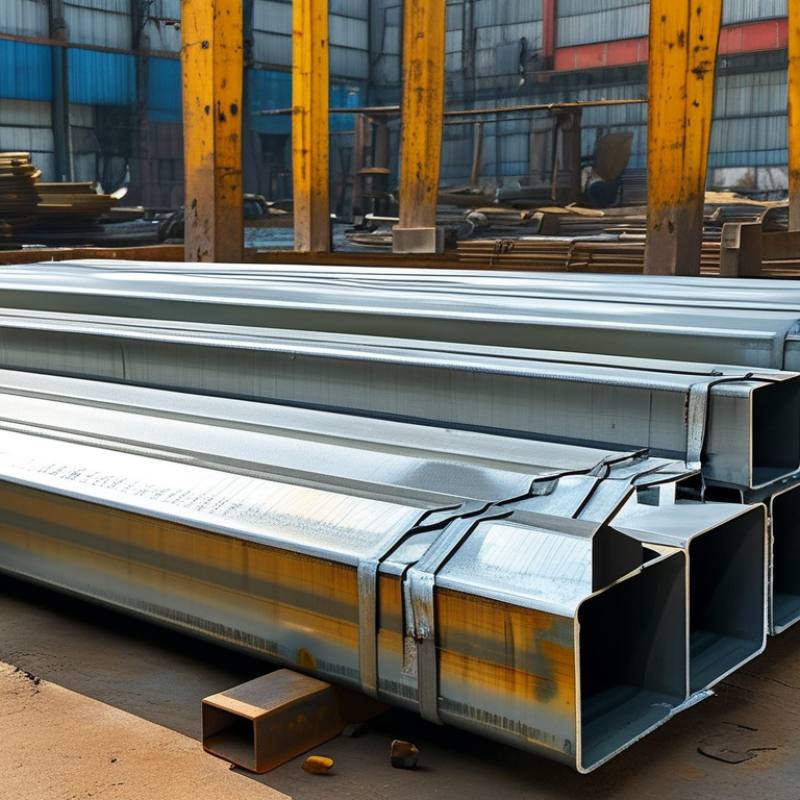
Metal square tubing is a hollow section with four flat sides and consistent corners. It is commonly made from carbon steel, Stainless Steel, or aluminum. Manufacturers form flat sheet into a square profile, then weld and finish the seam. The hollow center reduces weight while retaining useful resistance to bending and twisting. This balance supports frames, rails, equipment stands, gates, and architectural structures. Fabricators may call the materialTubing Steel, but the precise grade matters more than the nickname. Wall thickness, outside dimensions, and surface finish all affect performance.
Square tubing is useful when clean lines and predictable geometry matter. Thin-wall sections can serve furniture frames, greenhouse structures, and light enclosures. Heavier sections can support platforms, vehicle components, and industrial frameworks. Workers can cut, drill, weld, and bolt it with common fabrication tools. However, open ends can collect water and encourage internal corrosion. Protective coatings or sealed ends may help in damp locations. A practical mistake is treating every square tube as interchangeable. It is not.
A thin wall may deform around a drilled hole. A thick section may add unnecessary weight and cost. Load tables, connection details, and local exposure should guide selection. I would not choose tubing by appearance alone, because a rigid-looking frame can still fail at its joints. Clearance also deserves attention. Square corners may simplify alignment, yet they can interfere with brackets or moving parts.
| Application | Why Square Tubing Is Used | Common Materials | Typical Size Range | Key Considerations |
|---|---|---|---|---|
| Building frames and supports | Provides strength in two directions and creates straight, stable structural members. | Carbon steel and galvanized steel | 25–150 mm square; wall thickness commonly 1.5–6 mm | Load, span, buckling, connections, and applicable building codes must be evaluated. |
| Railings, handrails, and guardrails | Offers a rigid profile with flat faces that are easy to weld, fasten, and finish. | Carbon steel, stainless steel, and aluminum | 25–75 mm square; wall thickness commonly 1.5–4 mm | Use corrosion-resistant material or a protective coating for outdoor or wet locations. |
| Machine frames and equipment bases | Combines useful stiffness with relatively low weight and supports modular fabrication. | Carbon steel and aluminum | 40–100 mm square; wall thickness commonly 2–5 mm | Check vibration, equipment weight, joint strength, and the required mounting points. |
| Trailer, truck, and vehicle structures | Provides a weldable framework for rails, supports, brackets, and protective cages. | High-strength carbon steel and aluminum | 25–100 mm square; wall thickness commonly 2–6 mm | Fatigue, impact loads, corrosion protection, and vehicle regulations are important. |
| Fences, gates, and security barriers | Flat sides simplify panel attachment, hinge installation, and decorative finishing. | Galvanized steel, carbon steel, and aluminum | 20–80 mm square; wall thickness commonly 1–3 mm | Select a finish suited to moisture, soil contact, salt exposure, and maintenance needs. |
| Furniture and display structures | Creates clean, modern lines and can be cut, drilled, welded, or powder-coated. | Mild steel, stainless steel, and aluminum | 12–50 mm square; wall thickness commonly 1–3 mm | Consider visible welds, edge finishing, dimensional tolerance, and surface appearance. |
| Agricultural and utility frameworks | Provides durable support for equipment guards, work platforms, racks, and enclosures. | Galvanized steel and carbon steel | 25–100 mm square; wall thickness commonly 1.5–5 mm | Protection against fertilizers, livestock environments, water, and abrasive conditions may be required. |
| Solar panel and outdoor support frames | Resists bending and provides convenient flat surfaces for brackets and fasteners. | Galvanized steel, aluminum, and stainless steel | 25–75 mm square; wall thickness commonly 1.5–4 mm | Account for wind, snow, thermal expansion, galvanic corrosion, and foundation loads. |
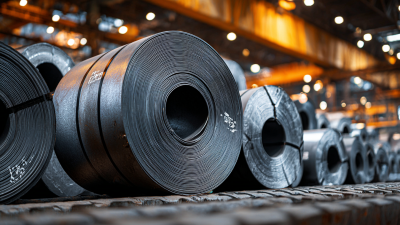
It starts as a flat steel strip from a large coil. Shaped rollers gradually form the strip into a square profile. The edges meet and receive an electric resistance weld. Sizing rolls correct the dimensions and sharpen the corners. An automated saw cuts the tube into standard lengths.
It is used for machine frames, storage racks, safety rails, trailers, gates, furniture bases, and equipment supports. It also suits architectural handrails and lightweight structures. Its flat sides simplify drilling, welding, painting, and fastening.
Carbon steel is the most common option. Galvanized steel resists rain and moisture better. Stainless steel suits corrosive or sanitary environments. Aluminum reduces weight. Copper and brass appear in specialized decorative or electrical applications.
Its hollow center reduces weight compared with solid bar. The closed shape resists twisting effectively. Four flat sides make fabrication convenient. It also provides a clean, balanced appearance. Useful, but not perfect.
Open ends can collect water and cause hidden corrosion. Thin walls may deform under heavy clamping or heat. Long unsupported tubes can buckle. Sharp corners may also complicate tight bending. Appearance alone proves little.
Carbon steel may need paint, powder coating, or protective oil. Galvanizing adds a zinc layer for outdoor exposure. Cutting, drilling, and welding can damage protection. Repair those areas and seal exposed ends carefully.
Inspectors check wall thickness, outside dimensions, weld continuity, and straightness. They may also examine cut ends for burrs. A smooth surface does not guarantee an invisible internal weld is sound. That uncertainty deserves attention.
Compare the expected load, span, wall thickness, metal grade, environment, and joining method. Consider maintenance requirements too. Aluminum may save weight, while steel usually offers greater stiffness. I would not choose only by price. Critical structures need engineering verification.
Metal Square Tubing is a hollow structural material with four equal sides, valued for its balance of strength, durability, and clean appearance. It is commonly produced by forming flat metal strip into a square shape and joining the edges through welding, followed by sizing, cutting, and finishing. Depending on the project, square tubing may be made from carbon steel, stainless steel, aluminum, or other alloys, each offering different levels of strength, weight, corrosion resistance, and cost.
Its main uses include building frames, supports, railings, furniture, machinery components, transportation equipment, and general fabrication. Selecting the right tubing requires considering dimensions, wall thickness, metal type, load requirements, environmental exposure, connection methods, and surface finish. Metal Square Tubing provides excellent rigidity, efficient material use, and a consistent appearance, while also being relatively easy to cut, weld, drill, and assemble. However, it may be heavier than alternative materials, can corrode if inadequately protected, and may require specialized tools or careful design for high-load or outdoor applications.