Leave Your Message
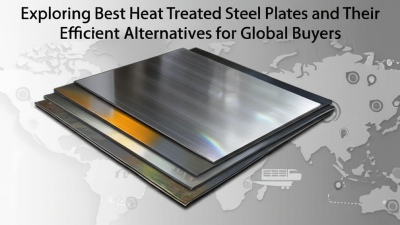
Picking the right steel plate isn’t just about the price or thickness — it factors into safety, longevity, and how much you'll spend on maintenance down the line. You might’ve heard of Heat Treated Steel Plates, which are made by carefully heating and then cooling the steel. This process tweaks the internal structure of the material, boosting some of its key mechanical properties.
Prof. Harry Bhadeshia, a well-respected metallurgist and former university professor at Cambridge, once said, “The purpose of heat treatment is to produce a desired combination of properties.” Honestly, that really hits the mark — it shows why choosing the right plate isn’t just about checking thickness or comparing prices. You also need to think about things like hardness, toughness, strength, weldability, and how stable it stays in shape.
In real-world use, a construction plate might get hit repeatedly, come into contact with abrasive dirt and rocks, or face sudden temperature swings. Having a properly heat-treated plate means it can handle these challenges more reliably than an untreated one. Imagine a mining bucket that’s constantly scraping against sharp rocks — its plate needs to be tough enough to take the abuse without cracking, but if it’s too hard, it could become brittle and break. Striking that right balance is pretty crucial.
Heat Treated Steel Plates are also a solid choice for heavy-duty equipment in construction, energy, transportation, and manufacturing industries. But, let’s be clear — heat treatment isn’t some magic fix that instantly makes everything perfect. The results depend on a lot of factors like the steel’s chemistry, how thick the plate is, the precision of the furnace controls, the cooling speed, and how well the inspections are carried out. Even seasoned buyers can sometimes miss something.
So, the key to making a good call? Start with verified mill certificates, look at mechanical test results, and get advice tailored to your specific application. Don’t forget to ask about impact testing, review the welding procedures, and double-check the delivered condition of the plate.
In the end, it’s those small details that make all the difference.
This guide aims to explain why heat-treated steel plates are chosen, where they tend to perform best, and what limitations you should keep in mind. The goal isn’t to recommend the hardest, toughest plate out there. Instead, it’s about finding the most reliable and balanced option for your actual working conditions.
Why Choose Heat Treated Steel Plates?
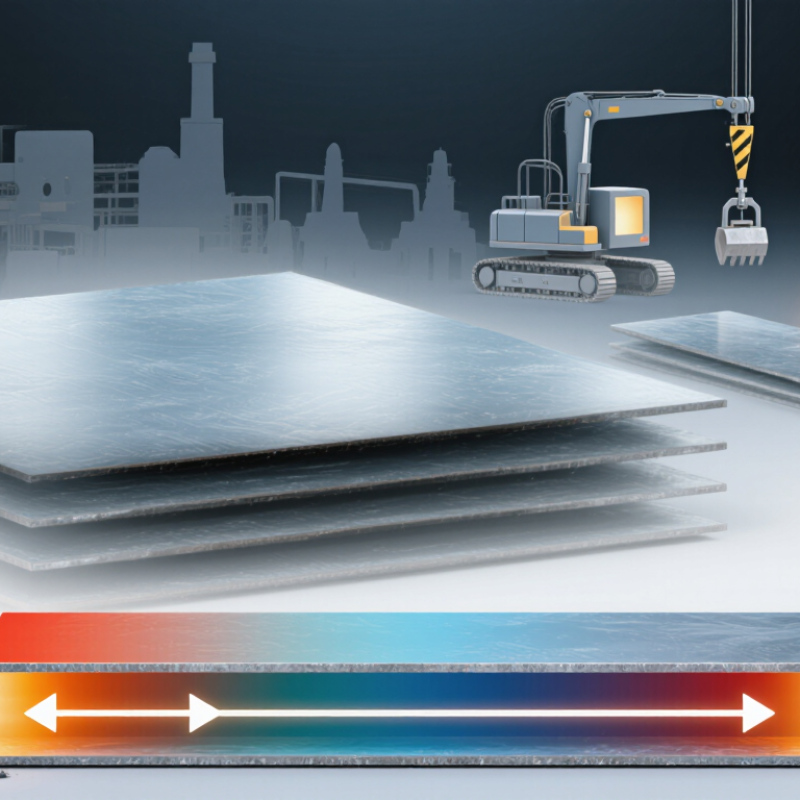
Heat treated steel plates are steel products changed by controlled heating and cooling. The process may include normalizing, quenching, and tempering. These steps adjust hardness, strength, toughness, and internal structure.
During quenching, the plate cools rapidly after reaching a controlled temperature. Tempering then reduces excessive brittleness. The final balance matters more than maximum hardness. A plate that is too hard may crack under impact. That risk is easy to overlook.
According to World Steel Association’s World Steel in Figures 2024, global crude steel production reached about 1.89 billion tonnes in 2023. Such scale increases the importance of consistent processing and traceable testing. ISO 6892-1 specifies tensile testing methods for metallic materials. Charpy impact testing also helps evaluate toughness at defined temperatures. In practice, engineers should review mill certificates, hardness readings, and impact results together.
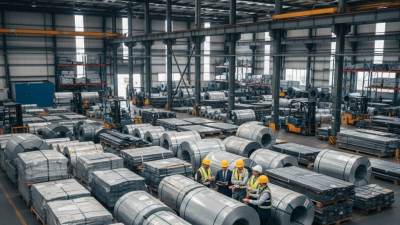
Heat treated plates often support mining buckets, pressure equipment, bridges, and heavy machinery. Their performance depends on thickness, chemistry, cooling uniformity, and welding conditions. A thicker plate may not cool like a thinner one. That assumption deserves scrutiny.
Surface-Treated Steel Coil is different. Surface treatment mainly protects or modifies the outer layer, while heat treatment changes the steel’s internal structure. The terms should not be used interchangeably. Field experience shows that poor fit-up or uncontrolled welding can reduce the benefits of an excellent plate. Careful fabrication still matters.
| Steel Plate Category | Typical Heat Treatment | Typical Thickness Range | Typical Yield Strength | Typical Tensile Strength | Typical Hardness | Common Applications |
|---|---|---|---|---|---|---|
| Quenched and Tempered Structural Plate | Austenitizing, water or polymer quenching, followed by tempering | 6–150 mm | 690–960 MPa | 770–1,100 MPa | 約 230–330 HB | Bridges, cranes, pressure-support structures, heavy machinery frames |
| High-Strength Low-Alloy Q&T Plate | Controlled rolling or normalizing followed by quenching and tempering | 8–100 mm | 550–690 MPa | 650–850 MPa | 约 200–280 HB | Transport equipment, construction machinery, welded load-bearing components |
| Wear-Resistant 400 HB Plate | Quenching, usually followed by low-temperature tempering | 4–80 mm | Typically not specified | Typically not specified | 370–430 HBW | Buckets, hoppers, liners, chutes, crushing and screening equipment |
| Wear-Resistant 500 HB Plate | Quenching and controlled tempering for high surface hardness | 4–60 mm | Typically not specified | Typically not specified | 470–530 HBW | Mining equipment, impact-resistant liners, excavator components, material-handling systems |
| Medium-Carbon Alloy Q&T Plate | Oil or polymer quenching followed by tempering at the required strength level | 10–100 mm | 650–950 MPa | 850–1,150 MPa | 250–340 HB | Shafts, gears, pins, axles, structural machine parts and high-load components |
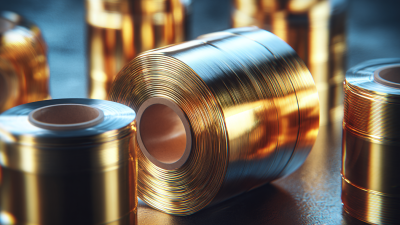
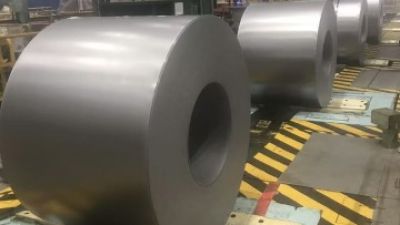
China Cold-rolled steel coil suppliers provide matte-finish materials engineered for consistent appearance, reliable paint adhesion, and demanding forming applications. These coils are produced with precision work rolls featuring EDM-textured surfaces, creating a uniform, non-directional grain with a typical roughness of Ra 1.8–2.5 µm. The resulting matte surface offers a controlled gloss level of approximately 60–85 GU, helping coatings bond more effectively than on bright finishes. This makes the material suitable for automotive panels, appliance parts, cabinets, and other components requiring a smooth, durable painted surface.
Available in JIS G3141 SPCC and SPCE grades, the coils are carefully batch-annealed at around 710°C to achieve balanced mechanical properties and targeted plastic strain ratios. With r-values typically ranging from 1.4 to 1.8, they support deep drawing while reducing the risk of cracking, uneven deformation, and surface defects. Strict control of thickness, surface texture, flatness, and coil consistency enables manufacturers to maintain stable production performance. Whether the priority is a refined matte appearance, dependable paint adhesion, or efficient deep drawing, these cold-rolled coils offer a practical solution for precision metal fabrication.
They are steel plates modified through controlled heating and cooling. The process may include normalizing, quenching, and tempering. These steps adjust strength, hardness, toughness, and internal structure. The final balance matters more than maximum hardness.
They can provide high strength, impact resistance, and improved abrasion resistance. A thinner plate may support a heavy machine frame. A cutting edge may also last longer in demanding work. Performance still depends on processing quality.
No. Excessive hardness can increase cracking under sudden impact. Tempering helps reduce brittleness and improve toughness. A scratched surface is not the whole story. That assumption deserves review.
Common uses include mining buckets, bridges, pressure equipment, and heavy machinery. They may face impact, abrasion, repeated loads, or low temperatures. A bucket edge and a bridge component need different property balances. One grade cannot solve every design.
Start with the working load and service conditions. Define yield strength, tensile strength, toughness, thickness, and temperature. Consider fatigue cycles, forming needs, welding methods, and inspection access. The supplier catalog is not enough.
Review mill certificates, heat numbers, tensile results, hardness readings, and impact results. Ultrasonic testing can help identify internal discontinuities. Dimensional checks confirm thickness and shape. A certificate helps, but it cannot replace practical inspection.
Yes. Thicker plates may cool differently from thinner plates. Cooling uniformity can affect hardness and internal properties. The tested thickness range should match the required section. Thicker is not automatically safer.
Heat treatment can affect the heat-affected zone during welding. Preheating, hydrogen control, and controlled cooling may be necessary. A strong plate can still crack beside a weld. Weld preparation matters.
No. Heat treatment changes the steel’s internal structure. Surface treatment mainly protects or modifies the outer layer. They serve different purposes. The terms should not be mixed.
Not always. Efficient design can reduce material use and energy demand. However, excessive thinning may cause distortion or difficult repairs. Weight savings can disappear during rework. That tradeoff deserves honest review.
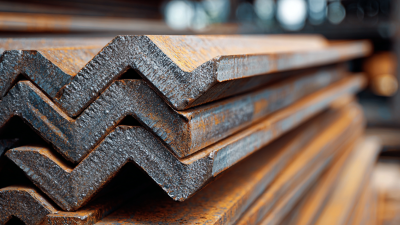
Heat Treated Steel Plates are steel products that have been deliberately heated and cooled to adjust their internal structure and improve performance. During manufacturing, the steel is shaped into plates, heated to a controlled temperature, held for a specific period, and then cooled at a planned rate. Common processes include annealing, normalizing, quenching, and tempering, with each method producing a different balance of hardness, strength, toughness, and machinability.
These plates can offer excellent wear resistance, high tensile strength, improved impact performance, and greater dimensional stability. They are widely used in construction equipment, transportation, energy facilities, pressure-bearing structures, mining machinery, and other demanding applications. Selecting the right grade requires evaluating load conditions, operating temperature, exposure to wear or impact, required thickness, welding needs, and fabrication methods. A suitable choice should balance mechanical performance, service life, processing requirements, and overall project cost.