You know, in the heavy industry world, the demand for high-performance materials just keeps rising — especially for stuff that can handle crazy wear and tear. Take Abrasion Resistant Steel, for example — it's known for being tough and durable, and honestly, it’s a game-changer when it comes to keeping machinery running smoothly and lasting longer in industries like mining, construction, and manufacturing. 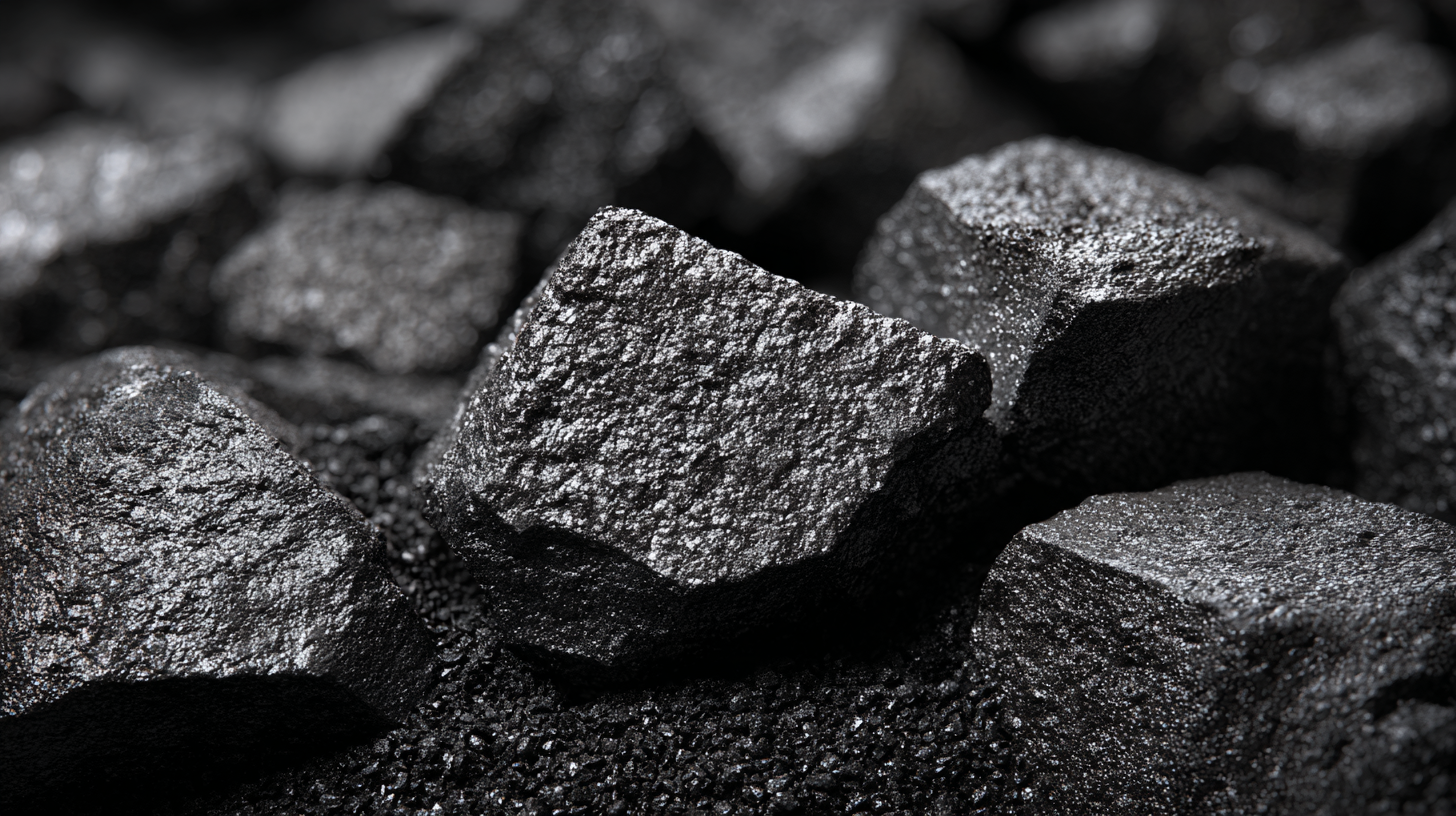 I recently came across a report that predicts the global market for this kind of steel is going to grow quite a bit. Why? Well, businesses are really looking for advanced materials that can help them cut down on maintenance costs and reduce those pesky downtime moments. Here at Guangzhou Chengxin Metal Co., Ltd., we get it. We’re a pretty big deal in providing precision-engineered steel products, and we know how vital it is to include innovative materials like this in our lineup. Founded in 2018, we’re all about quality and good service, making sure we meet the tough demands of heavy industry applications. Our goal is to deliver solutions that genuinely help our clients do better and stay ahead of the game.
Key Characteristics of Abrasion Resistant Steel for Heavy Industry Use
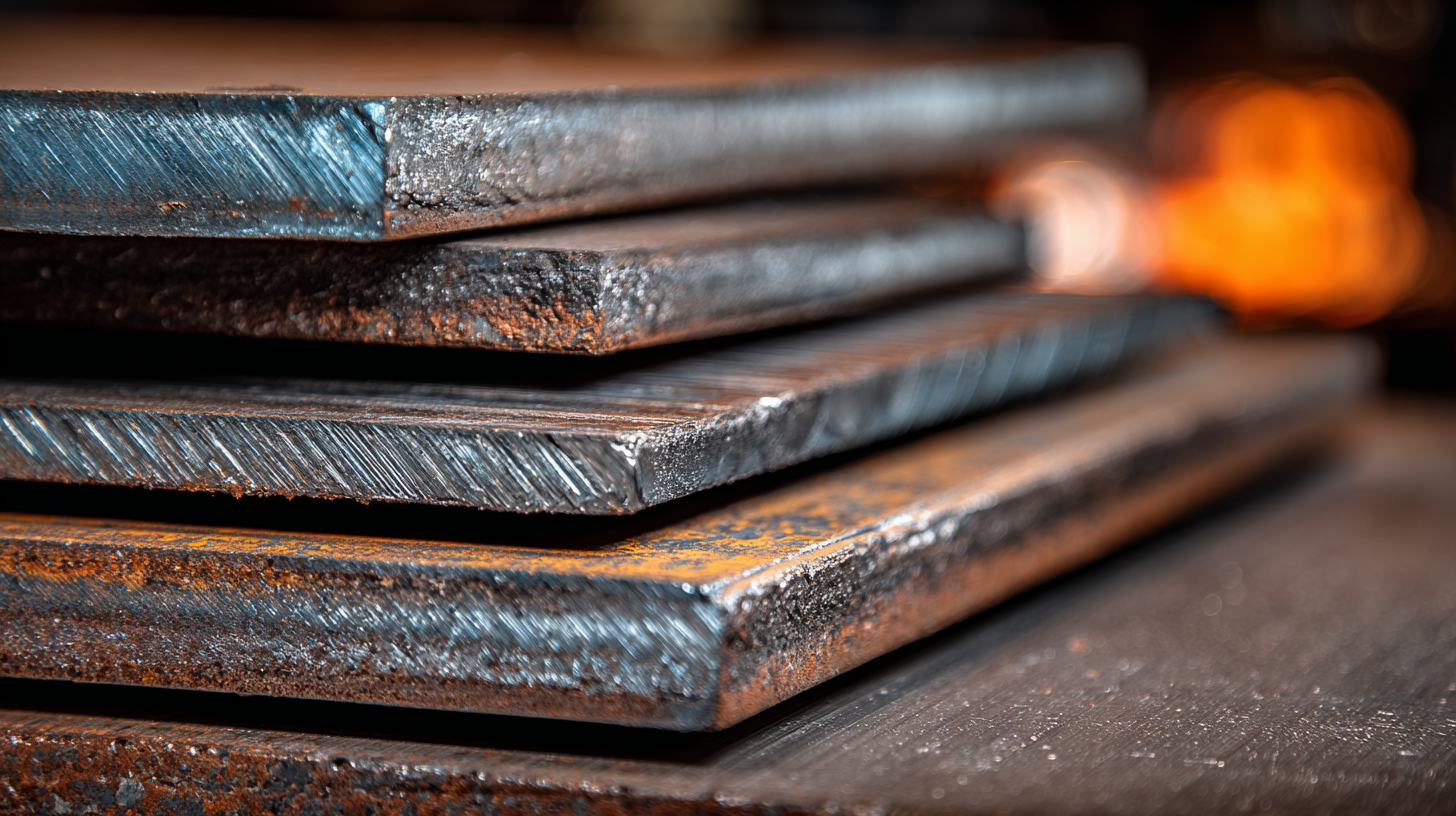 Abrasion resistant steel, or AR steel for short, is quite the specialized material designed to handle really tough conditions you'll find in heavy industrial settings. One thing that really stands out about AR steel is its hardness—usually measured using the Brinell scale. Basically, the higher the hardness number, the better it can resist everyday wear and tear from abrasive stuff. This hardness isn’t just random; it’s achieved by adding certain alloying elements like chromium and manganese, which boost durability without sacrificing toughness.
But it’s not just about being hard—AR steel also has good impact resistance. In heavy industry, equipment doesn’t just face grinding abrasives; it often gets hit with sudden impacts too. Luckily, AR steel is designed to take a punch and resist cracking or breaking, so your machinery lasts longer. Plus, it’s pretty easy to weld and shape, which means industries can customize it to fit their specific needs. All these qualities—hardness, impact resistance, and versatility—make abrasion resistant steel a total game-changer in sectors like mining, construction, and manufacturing. Honestly, it’s one of those materials that just get the job done, no fuss.
5 Advantages of Using Abrasion Resistant Steel in Manufacturing Processes
You know, abrasion-resistant steel, or AR steel as it's often called, is pretty essential in heavy industries—like mining, construction, and such—where equipment faces really tough wear and tear. One of the biggest perks? Durability. I read somewhere that, according to the American Institute of Steel Construction, structures made with AR steel can last up to five times longer than those built with regular steel. That’s a pretty big deal because it means fewer replacements are needed, which saves you a ton of cash on maintenance and avoiding downtime.
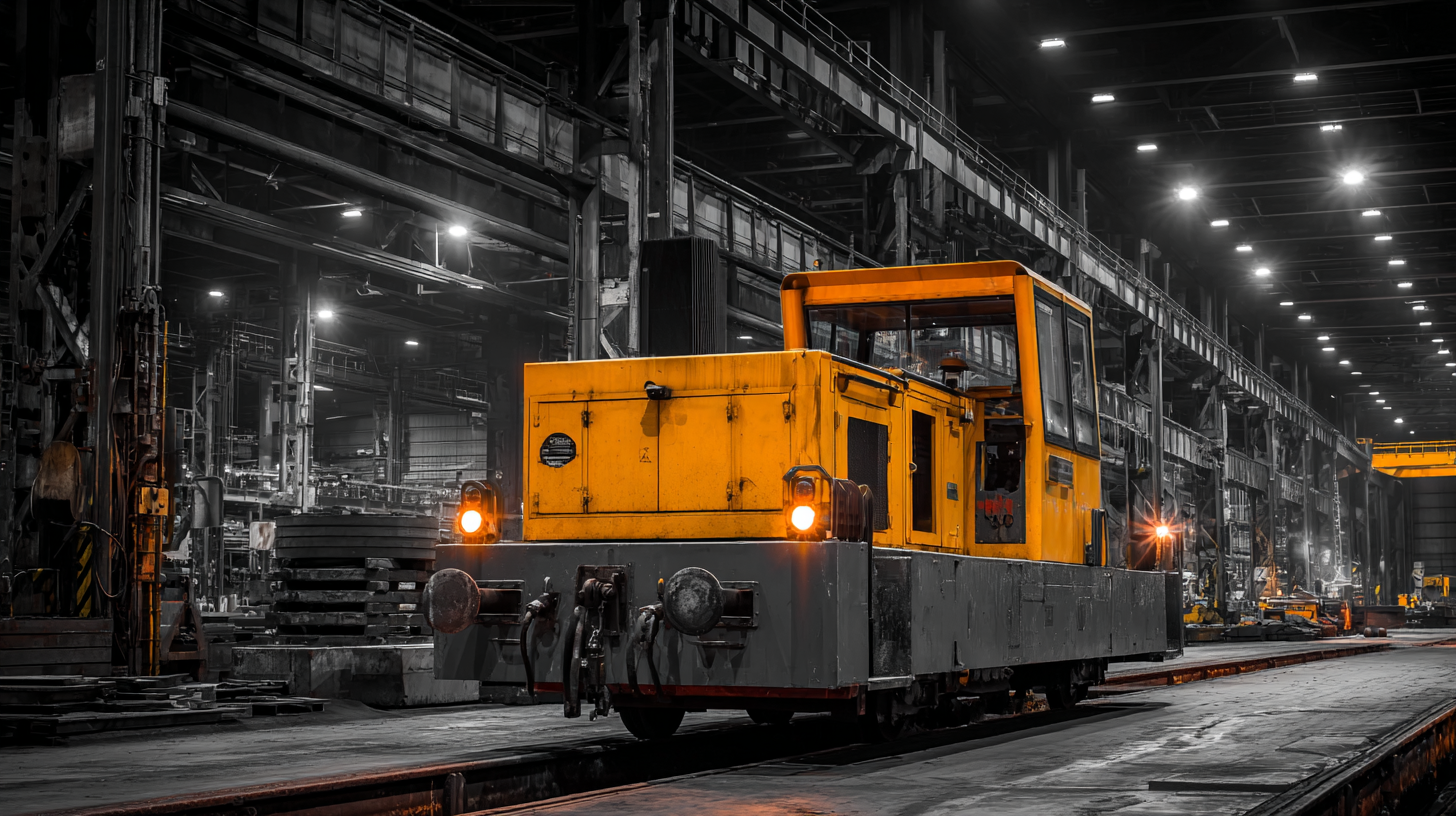
And honestly, safety is a huge plus too. In heavy-duty environments, machinery breaking down because of wear isn’t just annoying; it can be dangerous. A study from the National Institute for Occupational Safety and Health mentioned that using AR steel can cut machinery failures by up to 30%. That’s a big safety boost, right? Plus, because AR steel has a great weight-to-strength ratio, manufacturers can make lighter, more efficient machines without losing performance. All in all, it just helps get things done faster and safer, which is a win in my book.
Top Industries Benefiting from Abrasion Resistant Steel Applications
Abrasion-resistant steel is pretty much a game-changer in a bunch of heavy industries. It really helps make machines and equipment last longer and perform better. You know, industries like mining, construction, and farming, they all benefit big time because those environments are rough—things wear out fast without tough materials. Using this special steel can cut down on maintenance costs and reduce downtime because it fights off those abrasive forces so well, meaning critical parts stay in good shape longer.
Take mining, for instance—heavy gear like draglines and haul trucks face the toughest conditions out there. When they’re built with abrasion-resistant steel, they don’t just last longer; they also work more efficiently. On the construction side of things, you find this steel in stuff like excavators and cranes—these tools take a beating daily and need to hold up. As industries keep changing and growing, the need for this sturdy material is only going to get bigger. Honestly, abrasion-resistant steel is becoming more and more essential in heavy industrial work—it’s here to stay.
Understanding the Benefits of Abrasion Resistant Steel in Heavy Industry Applications
How Abrasion Resistant Steel Enhances Equipment Longevity and Performance
You know, abrasion resistant steel, or AR steel as they call it, really makes a big difference when it comes to keeping heavy machinery running longer and better. I read somewhere—like from the World Steel Association—that companies using AR steel see less wear and tear on their equipment. In fact, their machines can last up to 50% longer than those made with regular steel. That's a game-changer, especially in tough industries like mining, quarrying, or construction, where equipment's constantly battered by rough conditions and abrasive materials.
What’s so special about AR steel? Well, it’s all in how it’s made. It has higher amounts of carbon and manganese, which gives it a super hard surface that can really handle impacts and abrasions. The American Iron and Steel Institute also points out that using AR steel can cut down on maintenance costs because your machinery isn’t out of commission as often. For example, companies that use AR steel for things like bucket teeth and wear plates are seeing up to 30% savings on operational costs—less replacing parts, and everything keeps working smoothly. So, in reality, switching to abrasion resistant steel doesn’t just help your equipment last longer; it actually makes your whole operation more efficient. Honestly, it’s a smart move for any industry trying to squeeze the most out of their machinery and stay productive.
Comparative Analysis: Abrasion Resistant Steel vs. Traditional Materials
When you're looking into materials for heavy-duty industrial work, abrasion-resistant steel really tends to stand out compared to the usual suspects like carbon steel or aluminum. The big selling point? Its incredible hardness, which helps it resist wear and tear way better. That means tools and machinery last longer, so you end up spending less time on repairs and maintenance – definitely a big plus, right? Of course, regular materials often take a hit in rough environments and need replacing more often, which can rack up costs over time.
A quick tip: When choosing the right material, think about the exact conditions your equipment will face. Pay attention to what kind of abrasions are involved and do a proper cost-benefit check—sometimes paying a bit more upfront can save you a ton down the line.
Another thing to keep in mind is the weight and strength aspect. While traditional materials might be lighter, abrasion-resistant steel offers a really good strength-to-weight ratio. This can really boost the structural integrity of your setup, especially in industries like mining, construction, or recycling, where safety and productivity are both super important.
Here's a tip: always weigh the pros and cons of weight versus durability before pulling the trigger. Sometimes, picking a slightly heavier material can make a world of difference in tough environments, extending the lifespan and performance of your equipment.
Understanding the Benefits of Abrasion Resistant Steel in Heavy Industry Applications
| Property | Abrasion Resistant Steel | Traditional Materials |
| Hardness (Brinell) | 500 - 600 | 200 - 400 |
| Tensile Strength (MPa) | 1500 | 400 - 800 |
| Wear Resistance (mm³) | 8 - 10 | 30 - 50 |
| Impact Toughness (J/cm²) | 27 | 20 - 30 |
| Cost ($ per ton) | 800 - 1200 | 600 - 900 |
| Typical Applications | Mining, Construction | General Fabrication |
Innovative Techniques for Implementing Abrasion Resistant Steel in Heavy Machinery
Hey, have you heard about how abrasion resistant steel (ARS) is totally changing the game for heavy machinery? It's pretty exciting—recent reports are showing that using ARS can boost the lifespan of equipment by over 30%. That’s a huge deal because it means less downtime and lower maintenance bills. For example, I read in a report by the American Steel Institute that machines fitted with ARS parts saw about a 40% drop in failures caused by wear and tear. It really shows just how much innovative tech like this can make heavy-duty work more durable and efficient.
To get the most out of ARS, industries are now turning to high-tech methods like laser cutting and precision welding. These really help in making sure the components fit just right, so you get all the benefits ARS offers. Plus, some companies are using 3D modeling to design and test parts before they even make them. This way, they can predict how wear might happen and customize solutions that fit their specific needs.
A couple of tips: If you're thinking about switching to abrasion resistant steel, it might be a good idea to kick things off with a pilot project. That way, you can see how it performs in your particular setup. Also, it’s smart to chat with your steel supplier—they can help you pick the right grade of ARS for what you do. And don’t forget, training your team on how to handle and maintain these new components is key to making sure everything runs smoothly and lasts as long as possible.
Exploring the Applications and Benefits of Cold-Rolled Steel Coil with Matt Finish in Modern Industries
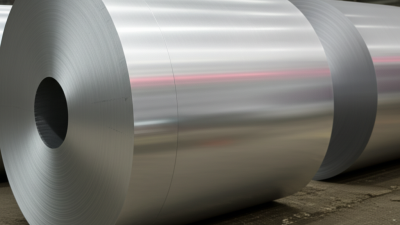
Cold-Rolled Steel Coils with a matte finish are playing an increasingly crucial role in modern industries, primarily due to their unique surface characteristics and enhanced performance metrics. These coils, produced using work rolls with EDM-textured surfaces, exhibit a uniform, non-directional grain with a roughness average (Ra) between 1.8 and 2.5 µm. This specific surface treatment results in a matte topography that significantly improves paint adhesion, boasting a 40% increase compared to conventional bright finishes. The lower gloss levels, typically ranging from 60 to 85 gloss units (GU), not only provide aesthetic appeal but also functional advantages, making them ideal for applications requiring superior paint performance.
Furthermore, the mechanical properties of cold-rolled matt finish coils are particularly compelling, especially when considering their fabrication processes. The JIS G3141 SPCC/SPCE grades undergo batch annealing at 710°C, allowing for precise r-values between 1.4 and 1.8. This meticulous treatment is paramount for deep-drawn components, as it ensures the necessary ductility and strength needed for complex shapes and forms. Industries such as automotive, appliances, and construction are increasingly adopting these coils for their ability to combine aesthetic qualities with robust mechanical performance, ultimately leading to innovative designs and applications in various modern products.
FAQS
: Industries such as mining, construction, and agriculture significantly benefit from abrasion resistant steel due to the harsh environments that lead to accelerated wear and tear on materials.
Abrasion resistant steel can increase equipment lifespan by up to 50% compared to standard steel, minimizing wear and tear on machinery used in harsh conditions.
Companies using abrasion resistant steel components report up to 30% savings in operational costs due to lower maintenance and reduced replacement frequency.
Abrasion resistant steel typically contains higher percentages of carbon and manganese, which contribute to its hard surface capable of withstanding significant impact and abrasion.
Techniques like laser cutting, precision welding, and 3D modeling are being adopted to ensure the effective integration of abrasion resistant steel into heavy machinery.
Companies are advised to start with a pilot project to evaluate the performance of abrasion resistant steel in their specific applications.
Reducing equipment downtime is crucial as it leads to increased productivity and lower operational costs, making the integration of durable materials like abrasion resistant steel a strategic investment.
Advanced technologies help to ensure that components fit seamlessly and address specific operational challenges, further enhancing durability and efficiency in heavy operations.
Companies should collaborate with their steel suppliers for guidance and implement regular employee training for handling and maintenance of abrasion resistant steel components.
Conclusion
You know, Abrasion Resistant Steel is really becoming a must-have in heavy industry these days. It’s thanks to its unbeatable durability and performance that so many companies are turning to it. Basically, this kind of steel is super tough—high hardness and resistant to wear—making it perfect for those tough manufacturing jobs. Using Abrasion Resistant Steel can really make a difference: it helps extend the life of your equipment, cuts down on maintenance costs, and boosts overall efficiency. You’ll find industries like mining, construction, and transportation really see the value in adding this material into their operations.
By the way, Guangzhou Chengxin Metal Co., Ltd.—founded back in 2018—is pretty much leading the way when it comes to steel processing and distribution in South China. They specialize in all sorts of precision-engineered steel products, including this tough-as-nails Abrasion Resistant Steel. Companies that are into heavy machinery can really benefit from their innovative techniques, making sure they’re up to date and able to handle the demands of today’s industrial world while also improving performance and productivity.