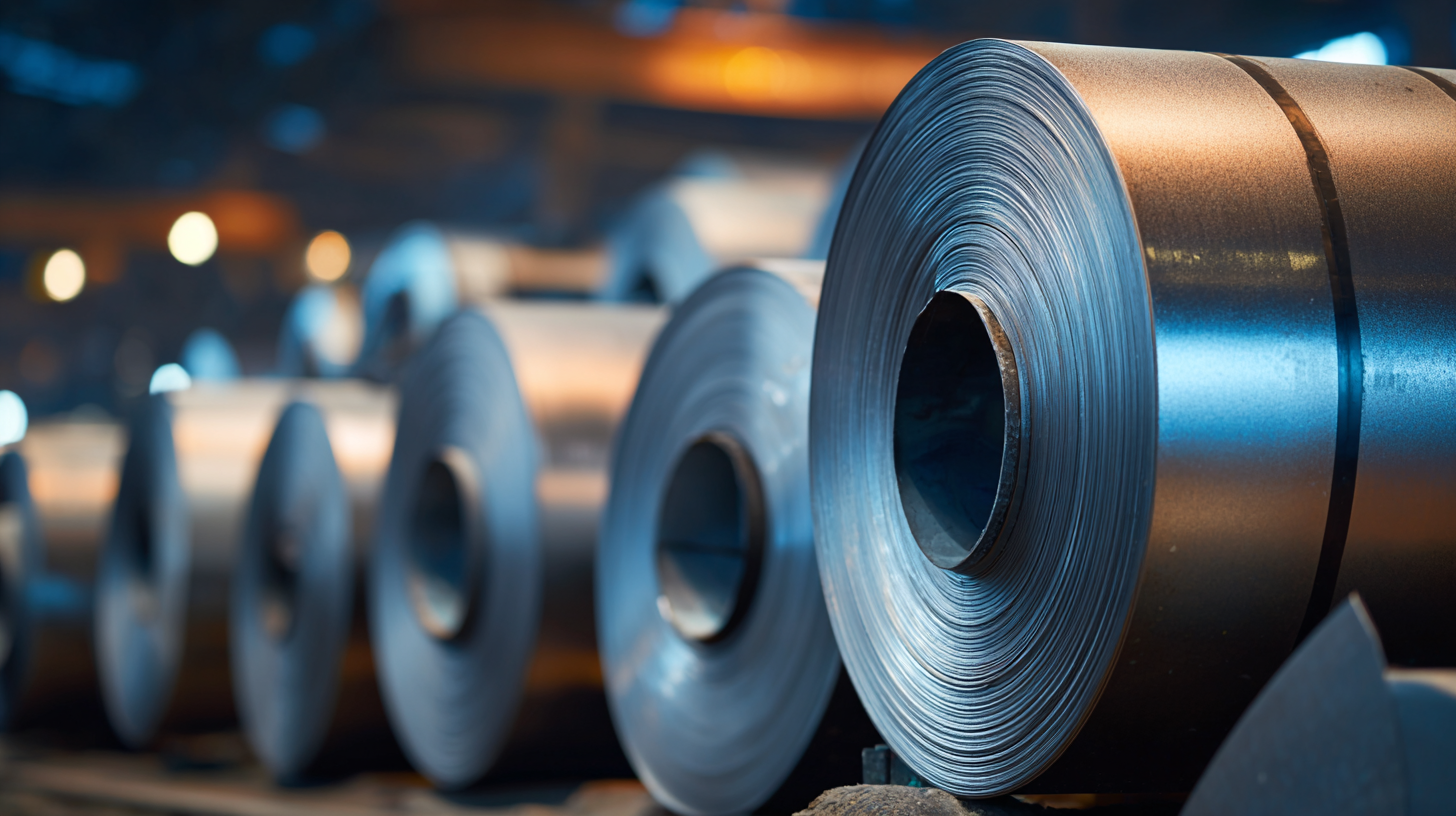
Hey, if you're into the steel industry, you probably know how fast things are changing. Getting a good grip on Precision Cold-Rolled Steel is pretty much essential if you want to stay ahead of the game. As the latest articles point out, 2023 is packed with new insights and trends that really highlight just how important this special type of steel is across different uses.
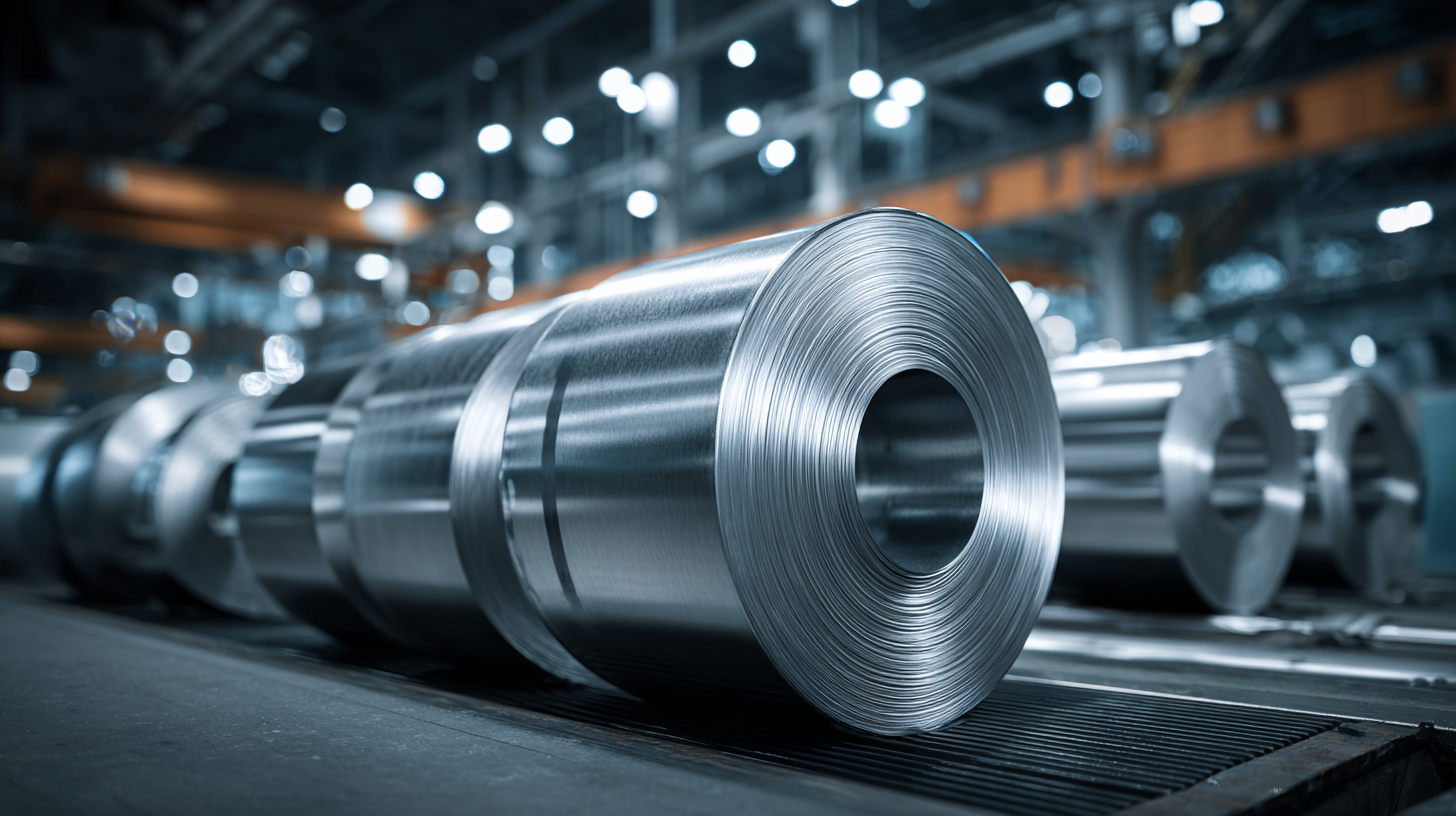
One of the big perks? Its incredible precision and smoother surface finish—traits that manufacturers love because they help streamline production and boost quality. Take Guangzhou Chengxin Metal Co., Ltd., for example. They've been around since 2018 and are really leading the way in this space, offering top-notch, precision-engineered steel that fits a variety of client needs all across South China. Thanks to their expertise in adding value through steel processing and distribution, they're perfectly positioned to ride the wave of rising demand for high-quality cold-rolled steel, pushing innovation and setting industry standards along the way.
Understanding Precision Cold-Rolled Steel: Definition and Manufacturing Process
You know, precision cold-rolled steel is kind of a big deal in the world of metal. It’s made through this carefully controlled process that really boosts its quality—especially when it comes to shaping and bending. Basically, they start with hot-rolled steel and then run it through cold rolling, which makes the surface look super smooth and helps keep everything within tight tolerances. Sometimes, a bit of heat treatment is added to give it even better properties. All this makes it perfect for industries that need super precise components—like automotive or aerospace sectors, you know?
And here’s the interesting part: market research shows that the global flat steel market is expected to hit around USD 1,157.84 billion by 2034. That’s a lot of steel! Over in India, the hot and cold rolled steel scene is also booming—projected to grow from USD 171.11 billion in 2024 to about USD 270.49 billion by 2030. That’s a solid annual growth rate of around 7.77%. These numbers really highlight just how important precision cold-rolled steel is becoming—it’s kind of the backbone supporting the evolving needs across so many industries today.
Key Advantages of Using Precision Cold-Rolled Steel in Various Industries
You know, precision cold-rolled steel has really become a go-to material across different industries these days. It’s got this smooth surface and tighter tolerances that make it perfect for stuff like cars, machinery, and building projects — basically where precision and durability are a must. Using this type of steel not only boosts the mechanical strength of parts but also gives them a cool, polished look, which is great if you’re aiming for high-end designs.
So, if you're thinking about using precision cold-rolled steel, a good tip is to make sure you prep the metal properly before the cold rolling begins — that can really make a difference. Also, paying attention to what each specific application needs will help you get the best results. Staying up-to-date with the latest trends, like the rising demand for customized cold-rolled products, can definitely give you an edge in the market.
Plus, moving away from the old hot rolling methods towards precision cold rolling is all about being more efficient and saving energy. It’s worth investing in some of those advanced technologies that make this switch easier — not only does it cut down on costs, but it’s also better for the environment. With urban areas expanding rapidly and more construction booms happening everywhere, the demand for this kind of steel is only going up. So, manufacturers really need to stay flexible and keep innovating to stay ahead of the game.
Emerging Trends in Precision Cold-Rolled Steel Applications for 2023
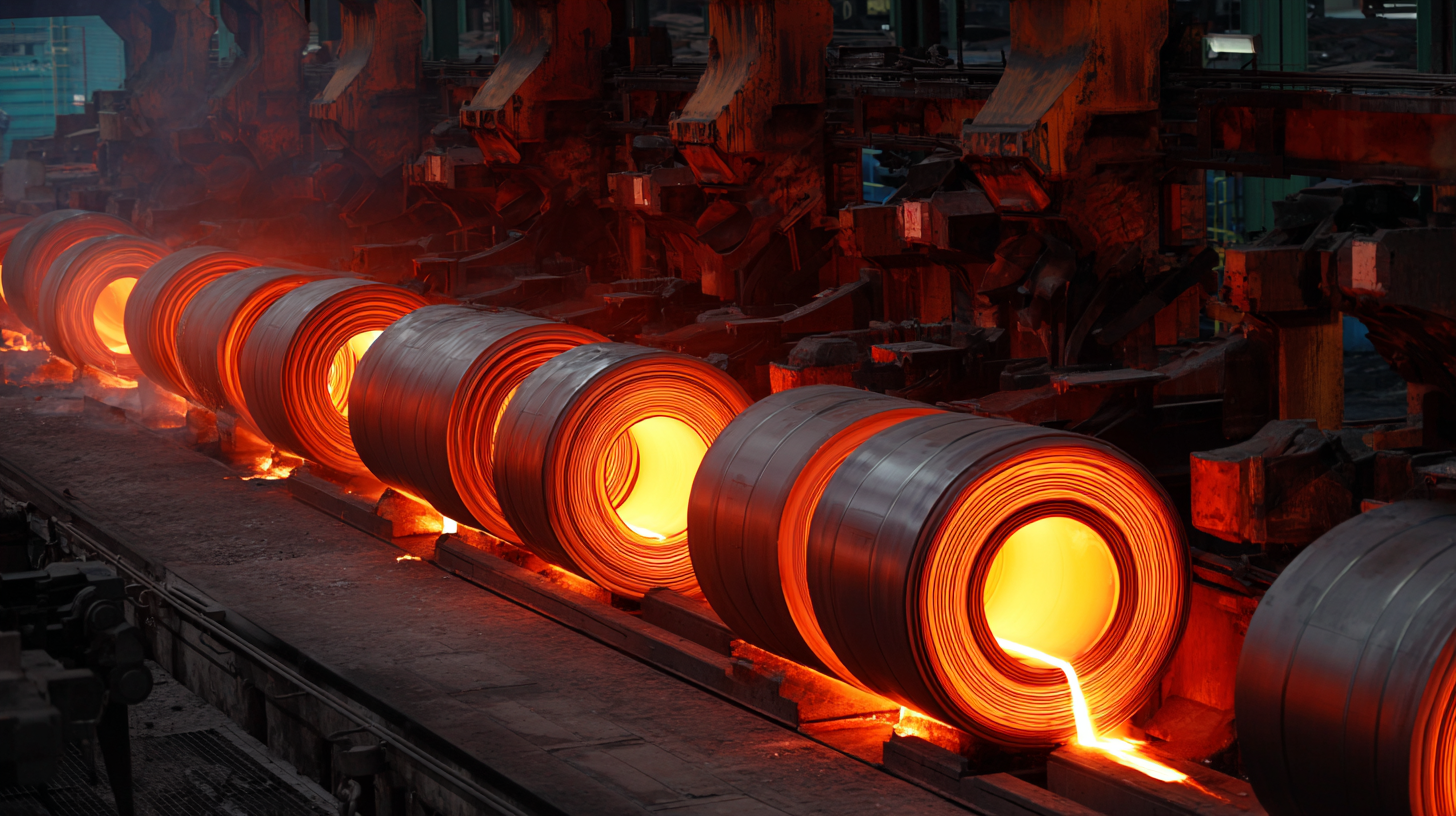
So, 2023 has been a pretty interesting year for the precision cold-rolled steel market. Big shifts are happening—thanks to new tech and changing industry needs. One thing that’s really picking up is the demand for lighter but super strong materials, especially in cars and airplanes. As manufacturers look to boost fuel efficiency and overall performance, precision cold-rolled steel is becoming a go-to because it offers fantastic mechanical properties without adding too much weight.
On top of that, we're seeing more companies jumping on the smart manufacturing train. With Industry 4.0 making waves, more folks are integrating AI and IoT into how they produce cold-rolled steel. This means better quality control, more customized solutions, and using data analytics to predict maintenance and streamline everything. The result? More efficiency, less waste—and honestly, this technology stuff is pretty exciting.
If you’re thinking about using precision cold-rolled steel for your projects, my two cents: pay attention to what mechanical properties are crucial for your specific needs. Also, keep yourself updated on the latest tech in your supply chain—it could give you a real edge. And don’t forget, working with suppliers who really get these emerging trends can make a huge difference and help you stay ahead of the game in this fast-changing market.
Evaluating Market Demand: Factors Driving Growth for Cold-Rolled Steel
The global market for cold-rolled steel is really looking at some solid growth these days. A big reason? Demand is climbing across a bunch of industries like automotive and construction. Industry insiders are saying that the market for Cold-Rolled Coils is likely to expand quite a bit — mostly because these steels are perfect for manufacturing lightweight but strong parts. As companies focus more on being efficient and eco-friendly, the precision and reliability of cold-rolled steel are becoming more and more crucial. It’s all about making finished products that perform well and last longer.
Now, there are a few factors fueling this upward trend. For starters, car manufacturers are all about using higher-quality materials to boost fuel economy and cut emissions — which drives up demand for better steels. Plus, if you’ve been following the market, you’ll notice that the price for hot-rolled coil has recently dropped from about $510 to $480 per ton in Q1 of FY25. That kind of price change can really shake things up, making cold-rolled steel look like a more stable and attractive option for buyers looking to avoid market volatility. All in all, the rise in the cold-rolled coil market isn’t just about its own benefits — it also ties into bigger economic trends and what consumers are looking for in 2023.
Unlocking the Benefits of Precision Cold-Rolled Steel: Key Industry Insights and Trends for 2023
| Dimension | Metric | 2022 Value | 2023 Projected Value | Growth Rate (%) |
| Global Demand (Million Tons) | Metric Tons | 120 | 130 | 8.33% |
| Market Value (Billion USD) | USD | 45 | 50 | 11.11% |
| Average Price (USD per Ton) | USD | 375 | 385 | 2.67% |
| Regional Demand Growth (Asia-Pacific) | Percentage | 6% | 7% | 16.67% |
| Technological Advancements Impact | Percentage | 20% | 25% | 25.00% |
Best Practices for Selecting and Sourcing Precision Cold-Rolled Steel Products
When you're looking to source precision cold-rolled steel products, it’s really important to focus on quality and how dependable your suppliers are. A good rule of thumb is to go with suppliers who follow top-notch standards like ISO 9001—that stuff actually matters. I came across a report by Market Research Future that says the global demand for cold-rolled steel is expected to grow at about 4.5% annually from 2021 to 2026. That just shows how crucial it is to choose high-quality products. Plus, making sure your suppliers are certified can really boost the consistency and durability of what you get—things that are super important for industries like automotive, construction, and manufacturing.
On top of that, it’s worth taking a good look at what kinds of technology your potential suppliers are using. You want to make sure their cold-rolled steel can meet the precise engineering needs you’ve got. For example, a study from the American Iron and Steel Institute mentioned that precision cold-rolled products can cut production times by about 20% because they’re more formable and generate less scrap. So, doing a thorough check on a supplier’s tech setup and production process really pays off. It helps ensure you’re getting products that not only tick all the industry boxes but also support more sustainable manufacturing practices. Keep these things in mind during your search, and it’ll set you up for long-term success in your operations.
Future Outlook: Innovations and Challenges in the Cold-Rolled Steel Market
So, 2023 is shaping up to be a pretty exciting year for the cold-rolled steel world. Thanks to new tech in manufacturing and a growing demand for top-notch steel products, things are definitely moving forward. One big trend we're seeing is the rise of automation and smart manufacturing—these upgrades are really making a difference, making production more efficient and precise. Plus, they're helping companies cut costs and produce more consistent quality, which in the end makes customers happier.
That said, it’s not all smooth sailing. The industry's got its fair share of hurdles—stuff like supply chain issues, swings in raw material prices, and tighter environmental regs are all things manufacturers are trying to handle right now. On top of that, there's a real push for sustainability. Companies are being asked to ditch old practices and go greener, which is both a challenge and a huge chance to get creative with new, eco-friendly products.
All these forces—both the exciting innovations and the tricky problems—are shaping what’s ahead for the cold-rolled steel market. It’s clear that players in the industry will need to stay flexible and come up with smart strategies if they want to keep up and thrive.
Exploring the Benefits and Applications of Cold-Rolled Steel Coils with Matt Finish in Modern Industries
Cold-Rolled Steel Coils with a matt finish have emerged as a pivotal component in modern industries, thanks to their distinctive properties that enhance functionality and performance. The unique manufacturing process involves the use of work rolls with EDM-textured surfaces, which create a uniform and non-directional grain. This specialized surface treatment results in a matte appearance with gloss units ranging from 60 to 85 GU, making these coils particularly advantageous for various applications.
One of the standout benefits of cold-rolled matt finish coils is their superior paint adhesion, which can be increased by up to 40% compared to traditional Bright Finishes. This feature is essential for industries that rely on high-quality coatings, as it ensures durability and aesthetic appeal. Furthermore, when using JIS G3141 SPCC/SPCE grades, the coils undergo batch annealing at 710°C, yielding precise r-values between 1.4 to 1.8. This characteristic makes them ideal for deep-drawn components, allowing manufacturers to achieve intricate shapes and designs without compromising material integrity. The combination of enhanced adhesion, uniform surface texture, and excellent deep-drawing capabilities positions cold-rolled matt finish coils as a preferred choice across a range of modern industrial applications.
FAQS
: Precision cold-rolled steel is a refined steel product created through the cold rolling process, resulting in superior surface finishes and tighter tolerances, making it suitable for applications that require precision-engineered components.
The key advantages include improved mechanical properties, enhanced aesthetic appeal, and suitability for various industries such as automotive, machinery, and construction due to its smooth surface and tight tolerances.
The global flat steel market is expected to reach USD 1,157.84 billion by 2034, with significant growth projected in India, where the hot and cold rolled steel market is forecasted to rise from USD 171.11 billion in 2024 to USD 270.49 billion by 2030.
It’s important to ensure proper pre-treatment of the metal and to be mindful of the specific requirements for each application to achieve optimal performance from the material.
Industries should invest in advanced technologies that facilitate the transition from traditional hot rolling to precision cold rolling, which can lead to increased efficiency, reduced energy consumption, and lower production costs.
Prioritize quality and reliability by selecting suppliers who adhere to international standards like ISO 9001, and assess their technological capabilities to ensure products meet specific engineering requirements.
Precision cold-rolled products can lead to a 20% reduction in production time due to their enhanced formability and reduced scrap rates, thereby supporting more efficient manufacturing processes.
The global demand for cold-rolled steel is projected to grow at a CAGR of 4.5% from 2021 to 2026, indicating increasing significance in various sectors.
Ensuring suppliers are certified and adhere to industry standards enhances product consistency and durability, which is crucial for applications in sectors like automotive and construction.
Staying informed about trends such as the demand for customized cold-rolled products can elevate competitiveness among manufacturers and assist in meeting evolving market demands.
Conclusion
Back in 2023, it’s pretty clear that Precision Cold-Rolled Steel is becoming more and more important across different industries. You know, largely because of its unique manufacturing process and top-notch quality. This kind of steel has some pretty big perks too — like better dimensional accuracy and stronger mechanical properties. That’s why it’s such a popular choice for things like cars, planes, and building stuff. As demand keeps rising, it’s really useful for industry folks to understand what’s driving this trend.
Lately, we’re also seeing cool innovations in production methods and more emphasis on eco-friendly practices. These developments help ensure that Precision Cold-Rolled Steel stays ahead in the game — competitive and greener than ever. Companies like Guangzhou Chengxin Metal Co., Ltd., which started back in 2018, are leading the charge with their specialized, precision-engineered steel products that match up with what their customers need. Of course, there are still some hurdles to overcome, but if companies keep innovating and staying adaptable, the outlook for the cold-rolled steel market looks pretty bright.