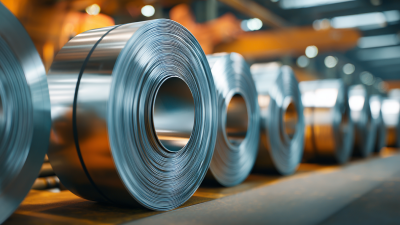
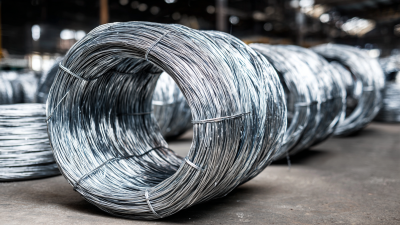
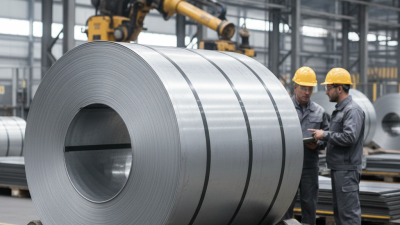
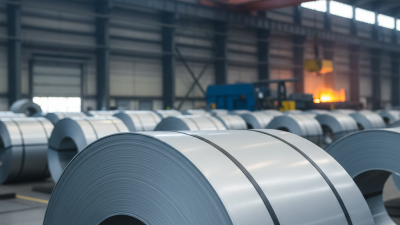
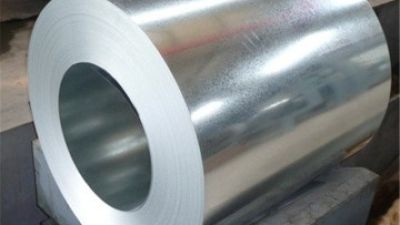
In the world of construction and manufacturing, there’s definitely still a strong demand for Gi Steel Coils. According to the latest Global Steel Report 2023, the market for galvanized steel is expected to grow at about 4.5% annually over the next five years. This uptick is mostly fueled by increased investments in infrastructure projects and automotive manufacturing — so, it’s a pretty promising outlook.
Now, here’s the thing—picking the right supplier for your Gi Steel Coil isn’t always a walk in the park. Sure, big names like ArcelorMittal and Nucor are known for their good quality products, but not everyone offers the same level of reliable service. That’s why it’s really important for buyers to do their homework before making any decisions. Things like certifications and customer reviews matter a lot — in fact, over 60% of buyers say they prioritize these when they're sourcing steel coils in wholesale, like on sites such as this one.
On top of that, industry insiders tell us that local suppliers often give better support and quicker delivery, which can be a real lifesaver. But on the flip side, international suppliers usually offer more competitive prices and a broader range of options. So, honestly, it’s all about weighing your needs — do you prioritize support and speed, or are you more concerned about price and variety? Finding that sweet spot between quality and cost is key to making smart, informed choices in today’s ever-changing market.
Understanding Gi Steel Coils and Their Applications
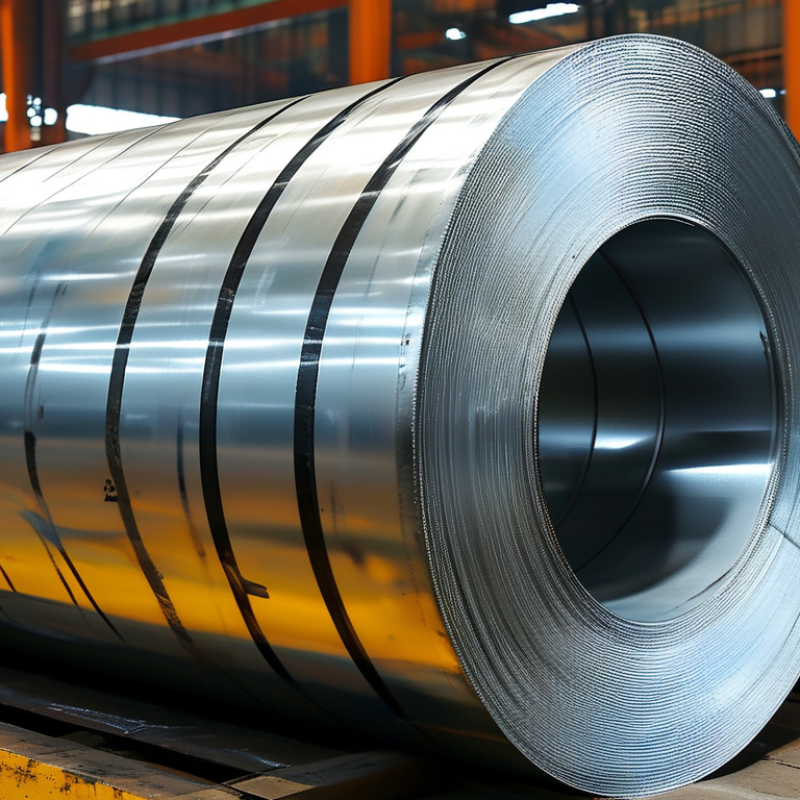
Gi steel coils, or Galvanized Steel Coils, are widely used in various industries due to their excellent corrosion resistance and durability. They are made by coating steel sheets with zinc, providing a protective layer that enhances their longevity. Applications range from construction materials to automotive parts and appliances. Understanding their properties can help manufacturers and buyers make informed decisions.
For those sourcing Gi steel coils, it is crucial to evaluate suppliers based on quality and reliability. A high-quality steel coil manufacturer plays a vital role in ensuring the integrity of the final product. Look for suppliers who provide certifications and have a solid track record. Establishing a good relationship with a trustworthy manufacturer can lead to better price negotiations and consistent supply.
Tips: Always check the specifications of the steel coils you are interested in. Surface quality, thickness, and zinc coating weight are critical attributes. Also, consider potential supply chain issues. Be flexible with your choices to avoid delays in project timelines.
Criteria for Selecting Gi Steel Coil Suppliers
When choosing suppliers for GI steel coils, it's crucial to evaluate their experience and expertise. Suppliers should have a solid history in the steel industry. Look for companies that showcase significant years of operation. A rich background typically translates to reliability and skill in meeting client needs.
Quality assurance is another key factor. Suppliers must adhere to international standards and certifications. They should provide evidence of their quality control processes. Ask for samples to assess the quality firsthand. Attention to detail in production can prevent defects and costly issues down the line.
Transparency in pricing and communication is vital. Suppliers who are open about their pricing structures foster trust. Responding to inquiries swiftly is equally important. If a supplier fails to communicate effectively, it can lead to misunderstandings. Reflect on past experiences to avoid repeating mistakes in selection. This is not just about securing materials; it’s about building lasting partnerships.
Top Global Suppliers of Gi Steel Coils
When it comes to sourcing GI (galvanized iron) steel coils, global buyers must navigate a complex market. The demand for high-quality steel is growing, and so is the variety of suppliers. Understanding the landscape of top global suppliers can help buyers make informed decisions.
To find reputable GI steel coil suppliers, consider checking online platforms and trade shows. Here, you can often meet suppliers face-to-face. Investigate each supplier's background and production capabilities. Quality control processes are vital in this industry. Look for certifications that demonstrate reliability.
Tips: Always request samples before placing large orders. This helps assess quality firsthand. Establish clear communication with potential suppliers to avoid misunderstandings. Ask about their lead times and delivery options as well.
Additionally, review customer feedback and testimonials. Most reputable suppliers will have references available. Understanding the experiences of previous clients can save time. It can also highlight potential issues, guiding you away from unreliable sources. Consider diversifying suppliers to mitigate risks. Having several options can help you adapt to market fluctuations. Being proactive will ultimately enhance your sourcing strategy.
Regional Analysis of Gi Steel Coil Suppliers
The global landscape for GI (Galvanized Iron) Steel Coil suppliers varies significantly across regions. In Asia, particularly in countries like China and India, production capacity is robust. Over 60% of the world's GI steel is produced in this region. The emphasis on low-cost manufacturing is a key factor driving this concentration. However, quality control remains a challenge, leading to varying standards in products available to buyers.
In North America and Europe, the market is characterized by fewer suppliers but higher quality standards. Many buyers prefer local suppliers due to stringent regulatory requirements. According to a recent report, approximately 30% of buyers prioritize suppliers who can ensure compliance with environmental standards. This focus on quality over cost is crucial, especially for industries like construction and automotive. Still, some companies struggle to keep up with the evolving market demands, revealing a gap in adaptability.
Latin America presents a mixed scenario. While some countries are developing their steel industries, reliance on imports remains. The market dynamics here can be unpredictable, influenced by local economic conditions and trade policies. Data shows that nearly 25% of the region's imports are from Asian markets. This reliance highlights vulnerabilities in supply chains, where fluctuations can disrupt availability. For buyers seeking reliability, choosing a Hot-rolled steel coil supplier in this region demands careful consideration of these complexities.
Evaluating Quality and Pricing of Gi Steel Coils
When evaluating the quality and pricing of GI steel coils, sourcing becomes crucial. Buyers should emphasize the importance of consistent material properties and thickness. Poor quality coils can lead to structural weaknesses in projects. Hence, testing certificates and quality assurance processes are essential factors to consider while steel coil sourcing.
Pricing varies significantly based on multiple factors, including the manufacturer’s reputation, order volume, and market fluctuations. Buyers should obtain multiple quotes for unbiased comparisons. Look out for hidden costs in shipping and tariffs. Understanding the pricing structure can reveal insights into potential red flags or quality concerns.
Communication with potential suppliers is vital for establishing a reliable partnership. Involving experts in the sourcing process can help navigate quality certifications and technical specifications. Investing time in due diligence often pays off. Reflecting on previous sourcing experiences can lead to better decision-making, avoiding mistakes that might affect project timelines and budgets.
Sustainability Practices Among Gi Steel Coil Suppliers
Sustainability is increasingly important in the steel industry. Many Gi steel coil suppliers are adopting eco-friendly practices. They focus on reducing waste and using renewable energy sources. This trend aligns with global efforts to combat climate change.
Some suppliers opt for recycled materials, minimizing environmental impact. They invest in technology that lowers emissions during production. Suppliers also aim to implement circular economy principles. However, not all companies fully commit to sustainable practices. There are gaps in transparency regarding sourcing and production processes.
Buyers often struggle to identify truly sustainable industrial steel coil suppliers. Certifications and independent audits can help in this evaluation. However, some companies may exaggerate their green practices without substantial evidence. Responsible buyers must remain aware and ask critical questions. Knowing the commitment to sustainability helps in making informed decisions.
Future Trends in the Gi Steel Coil Market Worldwide
The gi steel coil market is undergoing significant transformations. Increasing demand for durable construction materials fuels this shift. Emerging economies drive growth, leading to new opportunities. Suppliers are adapting to these changes, focusing on innovative production methods.
Digitalization plays a crucial role in the future of the gi steel coil industry. Advanced technologies streamline manufacturing processes. However, not all suppliers are keeping pace with these trends. This gap may affect their competitiveness in the market. It remains vital for suppliers to invest in technology and workforce training.
Sustainability emerges as a key factor influencing market dynamics. Eco-friendly practices become essential for suppliers. Customers increasingly favor products with lower environmental impacts. Adopting these practices poses challenges, yet can yield long-term benefits. The gi steel coil market stands at a crossroads, needing to balance innovation and sustainability for future success.
Maximizing Durability and Performance with Wear-Resistant Electro-Galvanized Steel Coils for Industrial Applications
In the industrial realm, the demand for robust materials that can withstand harsh conditions is paramount. Electro-galvanized steel coils have emerged as a solution owing to their enhanced durability and performance. Utilizing a continuous electroplating process with soluble zinc anodes, these coils benefit from a meticulously controlled application of zinc through direct current, resulting in precise coverage. The deposition rate, ranging from 3 to 50 grams per square meter per side, combined with a nanocrystalline structure, offers significant improvements in corrosion resistance, making them exemplary for various applications in challenging environments.
The production process of electro-galvanized coils ensures that each coil meets stringent quality standards, as indicated by ISO 5002 certification. Through alkaline cleaning and acid activation, these coils are prepared to achieve optimal surface energy exceeding 72 mN/m. This meticulous preparation enhances paint wettability, ensuring that coatings adhere effectively and uniformly. As a result, electro-galvanized steel coils not only maximize durability and performance but also extend the lifecycle of products in which they are utilized, making them a vital component in industrial applications.
FAQS
: Check online platforms and trade shows. Meet suppliers face-to-face and see their operations.
Inquire about lead times, delivery options, and quality control processes. Clear communication is essential.
Samples help you assess quality directly. This can prevent issues later in larger orders.
Obtain multiple quotes and look for hidden costs. Understand the pricing structure to identify red flags.
Many suppliers focus on eco-friendly practices like reducing waste. However, not all fully commit to sustainability.
Look for certifications and independent audits. Be critical, as some may exaggerate their green practices.
Poor quality can cause structural weaknesses. Testing certificates and quality assurances are crucial factors.
Having multiple supplier options helps manage risks and adapt to market changes effectively.
Reflecting on past experiences allows buyers to avoid mistakes and improve decision-making.
Navigating a complex market and ensuring quality can be difficult. Buyers must stay proactive and informed.
Conclusion
The article delves into Gi Steel Coils, exploring their key applications across various industries, such as construction and automotive. It provides insights into the criteria for selecting reliable Gi Steel Coil suppliers, emphasizing the importance of quality, pricing, and sustainability practices. A comprehensive regional analysis highlights the diverse suppliers available globally, ensuring that buyers can make informed decisions based on their specific needs.
Additionally, the article discusses the evolving trends within the Gi Steel Coil market, focusing on sustainability and innovative practices shaping the future of the industry. By evaluating the quality standards and pricing strategies of suppliers, global buyers can strategically source Gi Steel Coils that align with their project requirements while contributing to responsible procurement practices.