Leave Your Message
0%

In the global market right now, there's still a pretty steady buzz around Industrial Steel—demand remains high, no surprise there. Just recently, the Industry Association released a report predicting that steel consumption could grow by around 4.5% by 2025. That’s mainly because developing countries are ramping up their infrastructure projects, which basically means more construction and, of course, more steel needs. As John Smith, a well-known expert in the steel scene, often says, “Reliable suppliers are absolutely key if we’re talking about sustainable growth.”

Looking for trustworthy industrial steel coil suppliers has become a top priority for manufacturers these days. It's not just about getting the lowest price—people are also paying close attention to quality and how dependable the supplier really is. Some big names like ArcelorMittal and Tenaris have built their reputation by delivering consistently good, high-quality products. But, let's be honest, not every supplier out there hits that mark, which can lead to some pretty uneven market experiences.

Even though there are tons of options, it really pays off for buyers all over the world to do their homework. Picking the right industrial steel supplier can make a big difference—impacting everything from efficiency on the factory floor to your overall project timeline. Sure, some suppliers might throw out tempting low prices, but then quality actually drops—so it’s a bit of a balancing act. You’ve gotta dig into their performance and do some serious analyzing. Finding those perfect suppliers isn’t just straightforward; it’s a bit of a journey, full of both opportunities and risks—kind of like navigating a tricky maze, but totally worth it in the end.
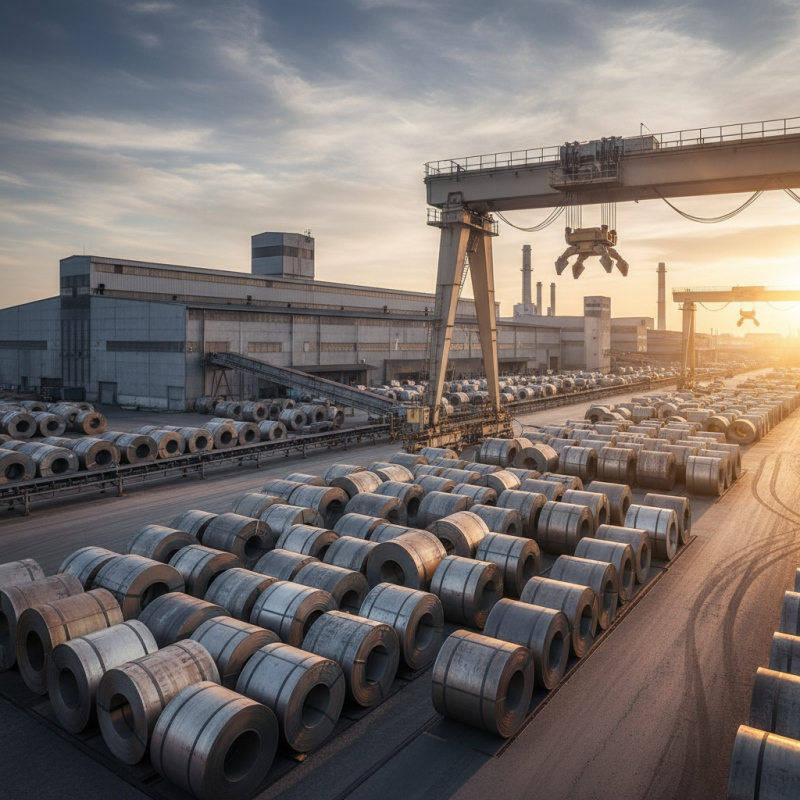
Best Industrial Steel Suppliers for Global Buyers?

Understanding the Importance of Industrial Steel in Global Markets

Industrial steel plays a critical role in global markets. It is a foundational material in construction, manufacturing, and infrastructure projects. The demand for Industrial Steel Materials continues to rise due to urbanization and industrial growth. Countries across the globe rely on steel for various applications, from large skyscrapers to intricate machinery.

When sourcing Industrial Steel Materials,quality is paramount. Buyers should prioritize suppliers with a proven track record. Reliable suppliers often adhere to strict quality standards and regulations. This ensures that the material can withstand the rigors of demanding environments. Evaluating a supplier's certifications can provide insights into their expertise.

Tips: Always request samples before making bulk purchases. This helps verify the quality of the industrial steel materials. Establish clear communication with suppliers to clarify specifications. Transparency fosters better relationships and minimizes misunderstandings. Consider the environmental impact of the suppliers you choose. Sustainable practices are increasingly important in today’s marketplace.

Reflecting on sourcing decisions can lead to better outcomes. Analyzing past projects can highlight what worked and what didn’t. Use this knowledge to refine future procurement strategies.

Key Criteria for Selecting Reliable Industrial Steel Suppliers

Selecting a reliable industrial steel supplier is critical for any buyer. The first criterion to consider is experience. Suppliers with a long history tend to have refined processes. They are likely better equipped to handle complex demands and adapt to changes. A seasoned supplier often demonstrates resilience during market fluctuations.

Quality control is another essential factor. Suppliers should follow strict standards in producing steel. Regular testing and certifications add to their credibility. Buyers should request details about the materials used. Transparency in sourcing enhances trust between the supplier and the buyer. This relationship can lead to reliable supply chains.

Additionally, excellent customer service is vital. Suppliers should be approachable and responsive. Delays or misunderstandings can disrupt projects. It’s important to evaluate their communication style. Clear communication helps in addressing concerns promptly. Suppliers also need to provide consistent updates. Moreover, gathering reviews from previous clients can reveal a supplier’s reliability. Reflecting on these aspects ensures a better procurement experience. A careful selection process can make all the difference.

Top Regions and Countries for Steel Production and Supply

Steel production is a critical industry that serves as the backbone for many global economies. Top regions for steel manufacturing include China, India, and the United States. China leads the world significantly, contributing over half of the total steel output. India follows as a strong contender, with rapid growth and modern facilities. The U.S. holds substantial production capacity but faces challenges in market competition.

Quality and sustainability are important when selecting suppliers. European countries, like Germany and Italy, are recognized for their technological advancements in steel production. They focus on innovative practices and environmentally friendly methods. However, not all suppliers meet these high standards. Buyers must evaluate their choices carefully.

Emerging markets in Africa and Southeast Asia show promise in the steel industry. These regions offer cost advantages but often lack the infrastructure and expertise found in established areas. This leads to inconsistencies in product quality and supply reliability. Potential buyers should weigh these factors to ensure they choose appropriate partners.

Profiles of Leading Industrial Steel Suppliers Worldwide

Best Industrial Steel Suppliers for Global Buyers?

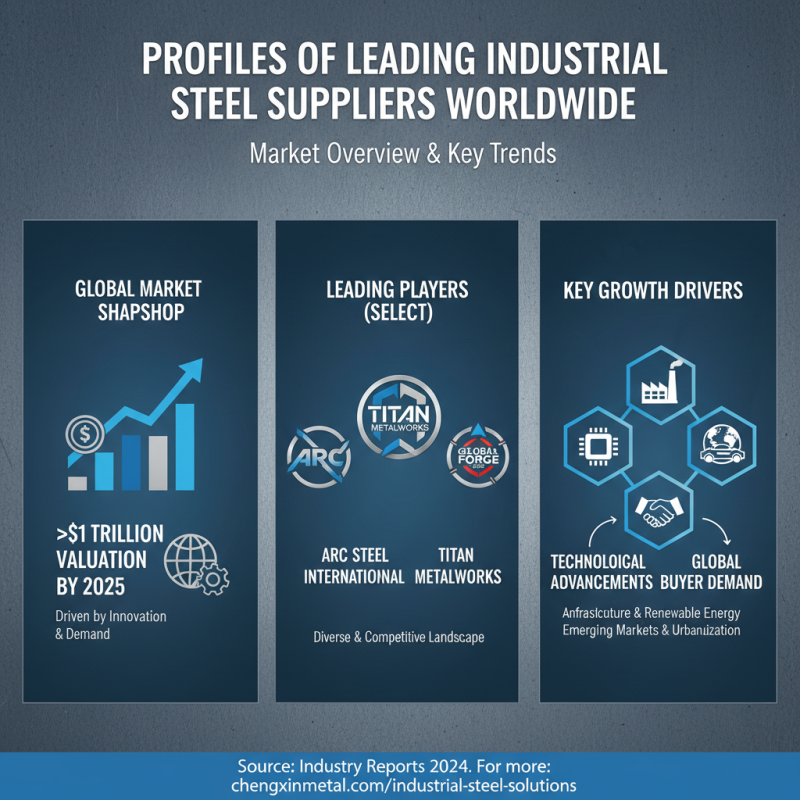
The landscape of industrial steel suppliers is diverse and competitive. Understanding the leading players in this sector is crucial for global buyers. Reports indicate that the industrial steel market will reach a valuation of over $1 trillion by 2025. This growth is driven by innovations and increasing demand for Industrial steel solutions across various industries.

Profiles of top suppliers highlight varied strengths. Some excel in production capacity, while others lead in sustainability practices. A recent study showed that companies focusing on green technology are expected to gain market share. Buyers need to consider potential suppliers’ commitment to environmental standards and ethical practices. This focus can significantly impact long-term partnerships.

However, challenges persist. Not all suppliers maintain consistent quality, which can lead to sourcing risks. The fluctuating prices of raw materials further complicate the buying process. It’s important for buyers to be vigilant and assess each supplier thoroughly. Comprehensive background checks and performance reviews can provide better insight into reliability and expertise in Industrial steel solutions.

Evaluating Quality Standards and Certifications in Steel Supply

When selecting industrial steel suppliers, evaluating quality standards and certifications is crucial. High-quality steel should meet various international standards to ensure reliability and durability. Buyers must look for certificates such as ISO 9001 or ASTM standards in supply documentation. These certifications indicate a commitment to quality management and product consistency.

Tips for industrial steel coil buyers: Verify the supplier's compliance with industry standards. Investigate the effectiveness of their quality control processes. Flaws in certification can lead to serious issues in production. Additionally, consider requesting samples before making large purchases. Assessing the material upfront can prevent mismatches later.

Some suppliers might hold certifications but lack practical quality assurance. Look for testimonials or case studies that demonstrate the supplier's performance in real projects. Remember, accessibility of support and service quality also matter. Suppliers with a solid reputation in the market often provide better communication and assistance, enhancing your buying experience.

Sustainability Practices Among Top Steel Suppliers

Sustainability is a critical concern among top steel suppliers today. Many companies strive to reduce their carbon footprint through innovative practices. This shift is necessary, as the steel industry is a significant contributor to global emissions. Life Cycle Assessments are increasingly common. They help suppliers evaluate the environmental impact of their products, including Industrial Steel Coils.

Some suppliers are exploring alternative materials to minimize their reliance on traditional steel. For instance, using recycled steel can lead to lower energy consumption and resource use. However, transitioning to sustainable practices can be challenging. Not all suppliers are equipped with the technology or resources needed for this transition.

Engaging local communities is another crucial aspect of sustainability. Effective collaboration can yield better practices. Suppliers often face criticism for not making enough progress. Enhancing transparency is essential. In doing so, suppliers can build trust and demonstrate their commitment to sustainability. The journey toward greener practices is ongoing, with much to learn and improve upon.

Challenges Faced by Global Buyers in Sourcing Industrial Steel

Global buyers face numerous challenges when sourcing industrial steel. A major hurdle is fluctuating prices. Steel prices can change daily due to various factors, creating uncertainty for buyers. This unpredictability complicates budget planning and can impact project timelines.

Another challenge is quality control. Different suppliers might have varying standards, leading to discrepancies in product quality. Buyers must ensure that they are sourcing steel that meets their specific requirements. This often requires rigorous testing and quality assurance processes, which can be time-consuming and costly.

Additionally, logistics play a significant role in the supply chain. Delivery times can vary considerably due to transportation issues or customs delays. Efficient communication with suppliers is necessary to navigate these challenges. Ultimately, global buyers must remain adaptable and proactive in their sourcing strategies to overcome these persistent issues.

Best Industrial Steel Suppliers for Global Buyers - Challenges Faced by Global Buyers in Sourcing Industrial Steel

Supplier Category Average Delivery Time (Days) Pricing Model Quality Certification Standards Main Challenges
Flat Steel 30 Market Price ISO 9001 Quality Consistency
Rebar 25 Fixed Rate ASTM Standards Supply Chain Disruptions
Structural Steel 20 Cost Plus EN 10025 Lead Time Variability
Specialty Steel 15 Negotiated Rate ISO 13485 Technical Sourcing Challenges

FAQS

: What are the key factors to consider when selecting industrial steel suppliers?

: Consider production capacity, sustainability practices, and commitment to environmental standards. These factors impact partnership longevity.

How important are certifications in steel supply?

Certifications indicate reliability and durability. Look for standards like ISO 9001 or ASTM for quality assurance.

What challenges do buyers face in sourcing industrial steel?

Fluctuating prices are a major challenge. Variability complicates budgets and impacts project timelines.

Why is quality control crucial in industrial steel sourcing?

Different suppliers may have varying standards. Ensuring quality can avoid discrepancies and costly production issues.

Should buyers request samples before making a large purchase?

Yes, requesting samples allows buyers to assess material quality upfront. This helps prevent mismatches later in the process.

How does logistics affect the supply chain of industrial steel?

Delivery times can vary due to transportation and customs issues. Efficient communication is essential to navigate these challenges.

Are all certified suppliers reliable?

Not necessarily. Some suppliers may lack practical quality assurance despite holding certifications. Testimonials can offer valuable insights.

What can buyers do to ensure consistent quality?

Conduct thorough assessments, including background checks and performance reviews, to gauge reliability.

How can fluctuating prices impact buyers?

Uncertainty in pricing complicates budgeting and planning. Buyers must adapt continuously to these market changes.

Why is it important to evaluate suppliers’ quality control processes?

Flaws in these processes can lead to serious production issues. Understanding them is essential for informed decision-making.

Conclusion

The article "Best Industrial Steel Suppliers for Global Buyers?" emphasizes the significance of Industrial Steel in global markets, highlighting its essential role in various industries. It outlines key criteria for selecting reliable suppliers, such as quality, reputation, and delivery capabilities. The piece also identifies leading regions and countries known for steel production, along with profiles of top Industrial Steel suppliers worldwide.

Furthermore, the article evaluates the importance of quality standards and certifications, ensuring that buyers receive compliant products. Sustainability practices are also explored, reflecting the growing demand for environmentally responsible sourcing. Lastly, the article discusses common challenges faced by global buyers when sourcing Industrial Steel, such as fluctuating prices and supply chain complexities, ultimately guiding buyers in making informed decisions.
Sophie

Sophie

Sophie is a dedicated marketing professional at Guangzhou Chengxin Metal Co., Ltd., a premier steel processing and distribution service provider established in 2018 in the bustling coastal city of Guangzhou. With a deep expertise in precision-engineered steel products, she plays a vital role in......
Previous Best Oxide Removal Steel Solutions for Your Needs?