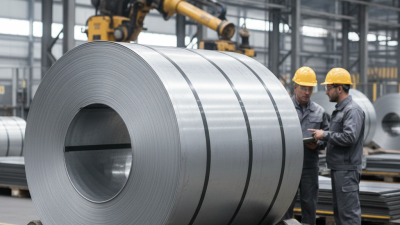
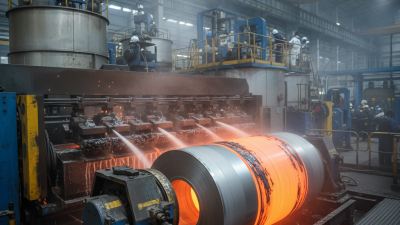
In the tough world of industrial manufacturing, picking the right solution for oxide removal isn’t just a nice-to-have — it’s pretty much essential. Today, there are some seriously advanced Oxide Removal Steel technologies out there. In fact, a recent report from Steel Processing Tech shows that using these improved methods can boost efficiency by about 25%. That’s a pretty big deal! It really emphasizes why businesses need to stay up-to-date with the latest innovations.
Dr. Emily Harper, who’s an industry expert at Steel Solutions Corp, puts it simply: "Investing in good oxide removal processes can make a huge difference in product quality and how long it lasts." So, knowing what options are available is definitely worth paying attention to. But at the same time, it’s important not to overlook the real challenges that come with choosing the right methods.
Now, even with all these advancements, not every oxide removal technique delivers the same results in real-world situations. Some methods might need a lot of upkeep, or they might not always give consistent results. That’s why weighing the pros and cons carefully is so crucial. As the field of Oxide Removal Steel keeps evolving, staying in the loop can really help you make smarter decisions and get better outcomes overall.
Best Oxide Removal Steel Solutions for Your Needs: An Overview
Oxide removal is essential in the metal industry. It maintains the integrity of steel surfaces. Proper oxide removal enhances coating adhesion and overall durability. According to a recent industry report, approximately 30% of metal failures are due to inadequate surface preparation. Addressing oxide issues can prevent costly repairs and improve product reliability.
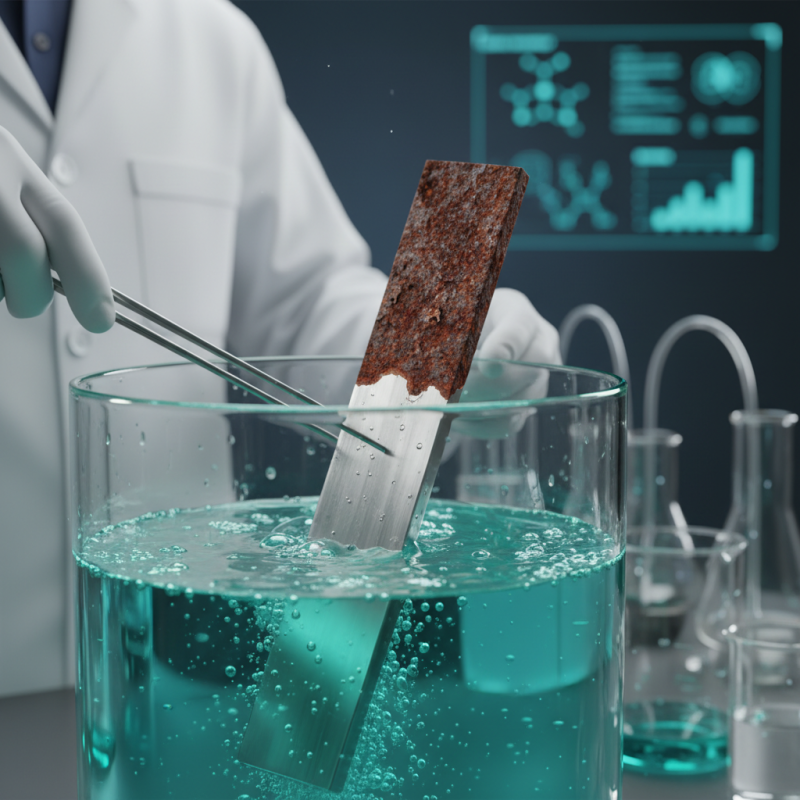
In many cases, traditional methods may not suffice. Abrasive blasting, for example, can strip away surface material, compromising the steel's strength. Newer, less invasive solutions show promise. For instance, chemical treatments effectively remove rust without damaging the underlying steel. Data indicates that companies employing these methods have seen a 25% increase in performance ratings. Exploring options carefully is vital for informed decisions.
Choosing the right oxide removal solution requires expertise. Understand both the metal’s requirements and the removal method’s effects. A mismatch can lead to subpar results. Many businesses, especially those sourcing steel coil wholesale, often overlook the significance of this stage. Thus, careful consideration and professional advice are invaluable to ensure effective oxide removal strategies.
Understanding Different Types of Oxide Formations on Steel Surfaces
Oxide formation on steel surfaces can be a common issue, impacting metal integrity. These oxides can arise from exposure to moisture, heat, and chemicals. Different types of oxide formations lead to varying challenges in maintenance and performance. For instance, red rust (iron oxide) is a common sight in damp environments. It deteriorates the metal's quality over time. While minor rust may seem harmless, it can signal underlying issues in the coating or treatment process.
Understanding these oxide types enables better prevention strategies. Light oxide layers might be removed easily with chemical agents or abrasives. However, thicker scales often require more intensive methods like sandblasting. It's essential to choose the right approach, especially when sourcing from a high-quality steel coil manufacturer. Too aggressive techniques can damage the underlying steel. This balance between effective oxide removal and preserving steel integrity is crucial.
Not every solution will suit every scenario. Sometimes, unexpected oxide formations can occur, even with preventive measures in place. It's beneficial to reassess existing maintenance protocols regularly. Learning from past experiences can refine future strategies. Detailed inspection and tailored methods ensure that steel surfaces remain protected, enhancing their lifespan and performance.
Comparative Analysis of Chemical vs. Mechanical Oxide Removal Methods
When it comes to oxide removal, both chemical and mechanical methods have their pros and cons. Chemical removal is often faster and can effectively penetrate complex geometries. It utilizes solutions that react with oxide layers. However, these products can be harsh and potentially harmful. Proper handling and application are crucial to avoid damage to the underlying material. Some might find the harshness of chemical solutions daunting.
On the other hand, mechanical methods, such as grinding or blasting, provide a tactile way to remove oxides. They are less risky in terms of chemical exposure, making them safer for operators. Yet, this approach can sometimes be labor-intensive and might not achieve uniform results across surfaces. It requires skilled labor to ensure effectiveness and avoid gouging or scratching the metal beneath. Factors like the type of oxide and the surface condition must be considered for each method.
Users should assess their specific needs before deciding. Factors like safety, cost, and the condition of the metal should influence their choice. Reflecting on the limitations of each method is essential. The right approach often depends on balancing immediate effectiveness against long-term material integrity.
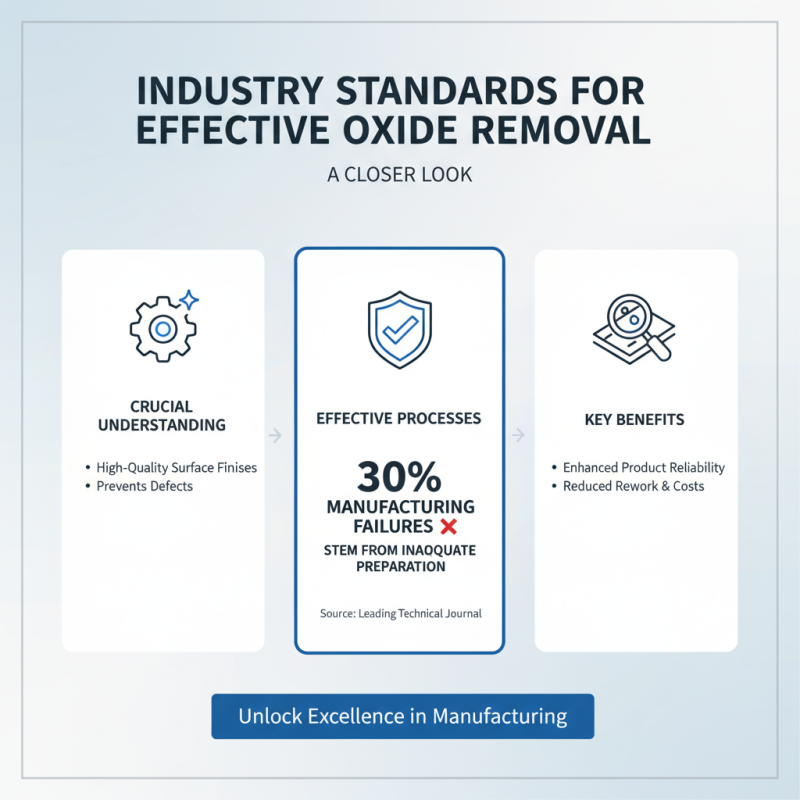
Industry Standards for Effective Oxide Removal: A Closer Look
When it comes to oxide removal, understanding industry standards is crucial. Effective cleaning processes ensure high-quality surface finishes. Reports suggest that improper oxide removal can lead to defects. For instance, a leading technical journal notes that 30% of manufacturing failures stem from inadequate surface preparation.
In managing bulk hot-rolled steel, techniques like pickling and abrasive blasting show promising results. According to a recent report from a materials testing organization, acid-based methods can remove oxides with up to 95% efficiency. Still, these methods may generate waste that requires careful handling. Each facility needs to weigh the benefits against environmental impacts. Developing best practices involves not just following standards but also adapting them to specific needs.
Tip: Regular audits of oxide removal processes can highlight areas for improvement. Training staff on the latest techniques can enhance efficiency and compliance. Remember, safety should remain a top priority when employing any cleaning solution. Balancing effectiveness and environmental responsibility leads to a more sustainable operation.
Efficiency Metrics: Evaluating Oxide Removal Products and Techniques
Evaluating oxide removal products requires a clear understanding of efficiency metrics. Recent studies show that solvent-based removers can achieve over 95% effectiveness in stripping away oxides from various steel types. However, environmental concerns raise questions about their long-term viability and safety.
Mechanical methods, such as shot blasting, also report impressive results. Data indicates that this approach can remove up to 90% of surface oxides without the adverse effects of chemicals. Yet, it’s vital to consider the potential for surface damage, especially on delicate materials. Manufacturers often report inconsistencies in performance. This raises the need for more standardized testing across techniques.
Moreover, user feedback highlights variations in application methods. Manual processes tend to yield mixed results, while automated systems provide greater consistency. In one survey, 70% of respondents noted that precision tools significantly enhance oxide removal efficiency. Nevertheless, the high initial investment can be a deterrent for smaller operations. This discrepancy illustrates the ongoing challenge of balancing efficiency and practicality in oxide removal solutions.
Innovations in Oxide Removal Technology: What’s New in the Market?
Oxide removal technology has seen remarkable advancements lately, transforming how industries address rust and corrosion. New methods focus on improved efficiency and sustainability. Innovations range from eco-friendly chemical solutions to advanced mechanical techniques. These options cater to diverse materials and surfaces, allowing for tailored solutions.
Recent developments also emphasize user safety. Many products now feature non-toxic compounds, reducing harmful exposure during the removal process. There is a noticeable shift towards biodegradable options, reflecting heightened environmental awareness. However, not every new product performs equally well across different conditions. It’s essential to conduct thorough tests to identify the most effective solutions for specific applications.
Despite the progress, challenges remain. Some techniques can be time-consuming or less effective on heavily rusted surfaces. Others may require specialized training for optimal use. Users should be vigilant about these factors. The evolution of oxide removal technology is encouraging, but practical applications reveal areas needing refinement. Continued research and feedback will drive future improvements in this essential field.
Best Oxide Removal Steel Solutions for Your Needs?
| Technology Type | Efficiency (Rating) | Operating Temperature (°C) | Usage Cost (Per Ton) | Environmental Impact |
| Laser Cleaning | 4.5/5 | 20-120 | $250 | Low |
| Wet Blasting | 4.2/5 | 10-80 | $200 | Moderate |
| Abrasive Blasting | 3.9/5 | 20-100 | $150 | High |
| Chemical Cleaning | 4.0/5 | 15-90 | $300 | Variable |
| Ultrasonic Cleaning | 4.8/5 | 20-60 | $350 | Very Low |
Case Studies: Successful Applications of Oxide Removal Solutions in Industry
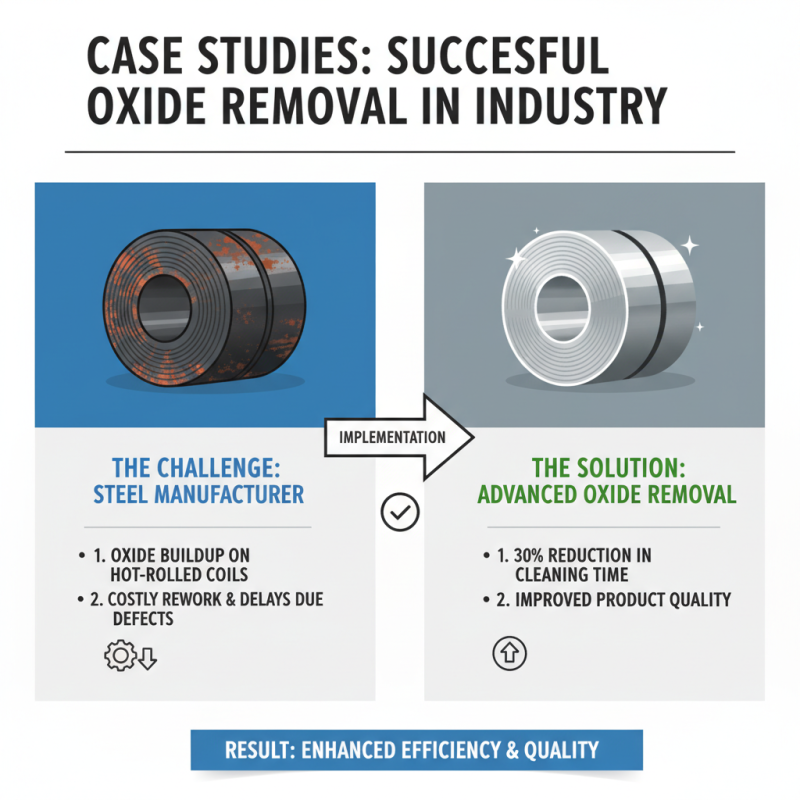
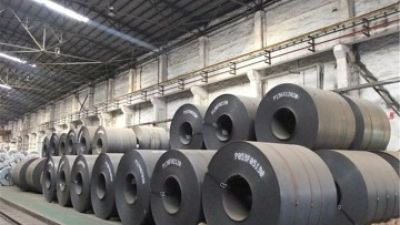
In the metal processing industry, oxide removal is critical. Many companies face challenges in achieving optimal surface finishes. One example highlights a steel manufacturer struggling with oxide buildup on hot-rolled steel coils. The surface defects led to costly rework and delays. By implementing an advanced oxide removal solution, the company experienced a 30% reduction in cleaning time and improved product quality.
Another industry case involved a automotive components supplier. They reported that oxide layers were affecting paint adhesion, resulting in increased warranty claims. After adopting a specialized oxide removal process, they witnessed a 25% decrease in defects. This solution enhanced their surface preparation, leading to higher customer satisfaction.
Data from industry reports shows that improper oxide removal can result in significant economic losses. Companies often underestimate these costs. Investing in efficient oxide removal techniques allows for improved operational efficacy and product longevity. As a Hot-rolled steel coil supplier, ensuring oxide-free surfaces is vital for meeting customer demands and maintaining competitive advantage.
Key Considerations for Choosing a High-Quality Hot-Rolled Steel Coil Supplier in Today's Market
In today's competitive market, selecting a high-quality Hot-rolled steel coil supplier requires careful consideration of various factors. Hot-rolled steel coils are produced through a precise thermomechanical process where steel slabs are heated to temperatures exceeding 1,700°F (927°C) and then rolled under high pressure. This method not only refines the microstructure of the steel but also aligns its grain boundaries, significantly enhancing the material's tensile strength, which can reach up to 550 MPa, and elongation properties suitable for various applications.
When evaluating potential suppliers, it is crucial to assess their manufacturing processes and quality assurance standards. A reliable supplier should utilize advanced rolling techniques and maintain stringent quality control throughout the production process. According to the World Steel Association, the mechanical properties of hot-rolled steel are essential for its performance in construction, automotive, and manufacturing sectors. Moreover, suppliers should provide comprehensive technical data sheets to demonstrate compliance with industry standards, ensuring the steel's suitability for specific applications.
Additionally, consider the supplier's reputation and experience in the industry. A well-established company with a track record of delivering high-quality products is likely to be a safer choice. Recent industry reports suggest that suppliers who invest in state-of-the-art technology and adopt sustainable practices are better positioned to meet growing market demands while maintaining product quality. By considering these key factors, businesses can make informed decisions that align with their operational needs and quality requirements.
FAQS
: Oxide removal is crucial for maintaining steel surfaces' integrity and preventing metal failures.
Approximately 30% of metal failures occur due to poor surface preparation and oxide issues.
Traditional methods like abrasive blasting can harm steel strength. Newer solutions may be more effective.
Chemical treatments can effectively remove rust without damaging the underlying steel.
Choosing the appropriate method is vital. A mismatch can result in ineffective oxide removal.
Techniques like pickling and chemical treatments can achieve high efficiency in oxide removal.
Yes, some methods generate waste. Facilities need to consider environmental impacts carefully.
Regular audits and staff training on latest techniques can enhance efficiency and compliance.
Following industry standards ensures high-quality outcomes and reduces the risk of defects.
Addressing oxide issues can prevent costly repairs and improve the overall reliability of products.
Conclusion
The article "Best Oxide Removal Steel Solutions for Your Needs" provides a comprehensive overview of various methods for eliminating oxide formations on steel surfaces. It begins by elucidating the different types of oxide formations and their implications for steel integrity. The comparative analysis between chemical and mechanical oxide removal methods highlights the pros and cons of each approach, helping professionals choose the most appropriate solution for their specific requirements.
Furthermore, the piece explores industry standards that ensure effective oxide removal and presents efficiency metrics to evaluate various oxide removal products and techniques. Innovations in oxide removal technology are also discussed, showcasing the latest advancements available in the market. Finally, the article includes case studies that illustrate successful applications of oxide removal steel solutions in various industries, underscoring the importance of selecting the right method to enhance performance and durability in steel applications.