Leave Your Message
0%

When you're starting a construction project, picking the right materials is super important if you want everything to hold up and stay solid over time. One material that definitely shouldn't be overlooked is the Hot Rolled Plate. Getting a good handle on what makes Hot Rolled Plates tick—their features and perks—can really make a difference, whether you're building a structural frame or making heavy-duty equipment.

Hot Rolled Plates are popular because they’re pretty versatile and strong, so they're useful in all kinds of jobs. But here’s the thing: with so many thicknesses, grades, and sizes out there, figuring out which one to go for can feel overwhelming. It’s really about thinking through what your project needs, the kind of environment it’s going into, and the mechanical qualities of the plates. Once you get familiar with the different options and what to look out for, you’ll be in a good spot to choose the right one—something that lines up with your goals and keeps everything running smoothly.

In this article, I’ll walk you through how to pick the perfect Hot Rolled Plate for your build. The goal is to help you select a product that meets industry standards and actually boosts the quality of your overall work.
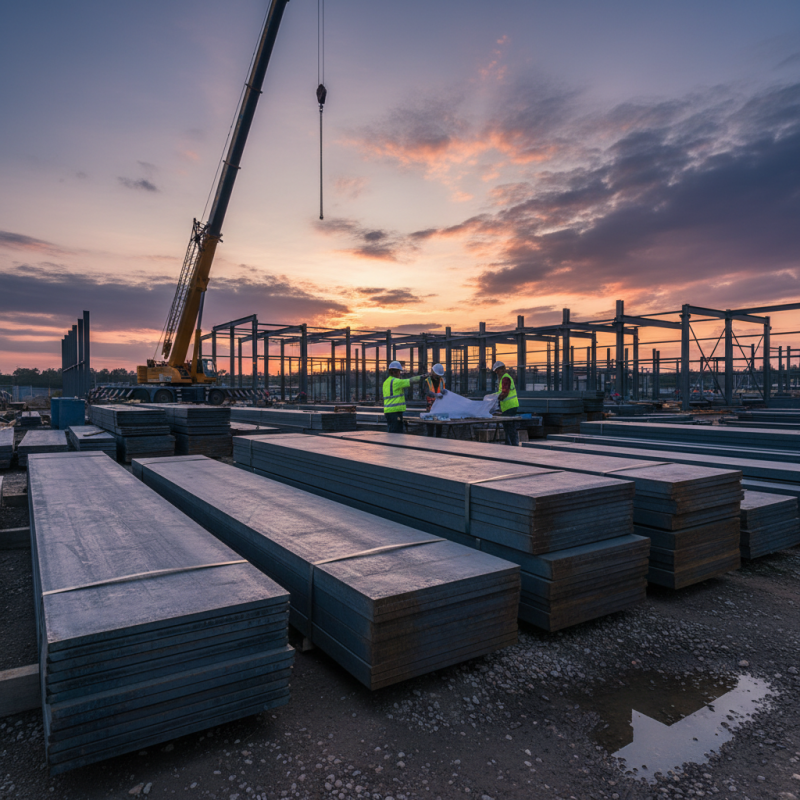
How to Choose the Right Hot Rolled Plate for Your Construction Project

Understanding Hot Rolled Plates: Key Characteristics and Properties

When selecting hot rolled plates for a construction project, understanding their key characteristics and properties is essential. Hot rolled plates exhibit distinctive attributes such as increased ductility and workability due to the manufacturing process, which involves rolling the metal at elevated temperatures (over 1700°F). This process allows for the reshaping of the metal into desired thicknesses and shapes while minimizing internal stresses, making hot rolled plates an ideal choice for structural applications. According to the American Society for Testing and Materials (ASTM), products that meet the specifications of ASTM A36 are widely used in construction due to their strength and durability, offering a yield strength of 36,000 psi.

Another critical aspect of hot rolled plates is their surface finish. The rough mill scale that forms on the surface of hot rolled plates can aid in adhesion for coatings and paints, making them suitable for various applications where protective layers are necessary. However, this surface quality can also be a drawback in projects requiring precise finishes, leading to considerations for post-processing treatments. Reports from industry experts indicate that hot rolled plates typically range in thickness from 1/8 inch to several inches, which provides flexibility in meeting diverse structural needs. Understanding these characteristics not only aids in making informed choices but also ensures that the selected materials meet project specifications and performance standards.

How to Choose the Right Hot Rolled Plate for Your Construction Project

This chart displays the mechanical properties of hot rolled plates commonly used in construction projects. Understanding these properties will help in making informed decisions while selecting the right hot rolled plate for various applications.

Applications of Hot Rolled Plates in Construction Projects

How to Choose the Right Hot Rolled Plate for Your Construction Project

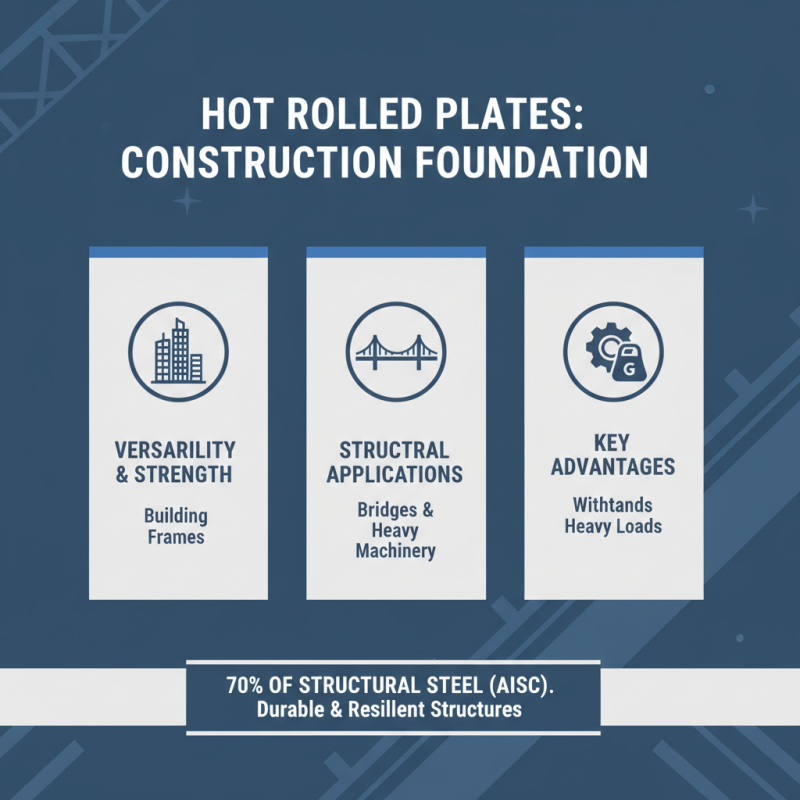
Hot rolled plates play a crucial role in various construction projects, known for their versatility and strength. They are primarily used in structural applications such as building frames, bridges, and heavy machinery bases. According to the American Institute of Steel Construction (AISC), hot rolled steel accounts for approximately 70% of the total structural steel used in construction, highlighting its importance in creating durable and resilient structures. The ability of hot rolled plates to withstand heavy loads and resist deformation under stress makes them an ideal choice for foundational and supportive structures.

In addition to structural applications, hot rolled plates find significant use in manufacturing components for industrial equipment and transportation sectors. For instance, they are commonly utilized in the production of conveyor systems, storage tanks, and automotive parts. The World Steel Association reports that demand for hot rolled products is expected to grow by 2.5% annually, driven by advancements in manufacturing technologies and increasing infrastructure investments globally. Architects and engineers often prefer hot rolled plates due to their improved surface finish and dimensional accuracy, which can enhance the aesthetic and functional aspects of construction projects.

Factors to Consider When Selecting Hot Rolled Plates

When selecting hot rolled plates for your construction project, several critical factors should be taken into account. The first consideration is the material grade. Different grades offer varying levels of strength, ductility, and resistance to deformation. Ensure that the grade you choose aligns with the specific demands of your project, whether it involves structural support, aesthetic components, or heavy-duty applications.

Another important aspect to consider is the thickness and size of the hot rolled plates. The dimensions must be suitable not only for architectural requirements but also for ease of handling and transportation. Additionally, the manufacturing process can influence the flatness and surface finish of the plates, which may further impact their usability in your construction.

**Tips:** When evaluating hot rolled plates, always request material certification to verify quality and properties. It is also advisable to consult with engineers or construction experts to ensure that the plates are compliant with local building codes. Finally, consider the specific environmental factors—such as exposure to weather or corrosive substances—that may affect the longevity and performance of your selected plates.

How to Choose the Right Hot Rolled Plate for Your Construction Project - Factors to Consider When Selecting Hot Rolled Plates

Dimension (mm) Thickness (mm) Weight (kg/m²) Steel Grade Common Applications
1000 x 2000 10 78.5 S235 Construction frames, platforms
1250 x 2500 20 156.5 S355 Heavy machinery structures
1500 x 3000 15 117.0 S275 Shipbuilding, automotive
2000 x 4000 25 196.5 S460 Bridges, structural components

Evaluating Material Grade and Specifications for Your Needs

When selecting the right hot rolled plate for your construction project, evaluating the material grade and specifications is crucial to ensure that you meet both structural integrity and safety requirements. Hot rolled plates are typically available in various grades, each designed for specific applications. Common grades include ASTM A36, which is ideal for general construction, and higher-grade options like ASTM A572, which provide better strength-to-weight ratios for more demanding projects. Understanding the mechanical properties, such as yield strength and tensile strength, helps in choosing a plate that can withstand the required loads.

Additionally, it's important to consider the thickness and dimensions of the hot rolled plate. Specifications dictate not only the physical size but also how the material will behave under stress. Factors like weldability and formability can impact the overall performance of the plate in construction. For projects that involve extensive welding or bending, selecting a plate that meets specific criteria for these processes can prevent future complications. Always consult relevant industry standards and guidelines to ensure that the selected hot rolled plate aligns with your project's unique needs.

Cost Analysis: Balancing Quality and Budget in Hot Rolled Plates

When selecting hot rolled plates for a construction project, balancing cost and quality is paramount. High-quality hot rolled plates can significantly impact the durability and longevity of the structure. However, it’s essential to assess the budget constraints to avoid overspending. A thorough cost analysis should include not just the purchase price but also potential long-term savings derived from fewer repairs and maintenance due to using higher-grade materials.

Tips for effective cost analysis include comparing multiple suppliers and understanding the specifications of the plates you require. Be clear about the specific grades and thicknesses necessary for your project, as this will help providers give accurate quotes. Additionally, factor in delivery costs and timelines, as these can influence overall expenses. Prioritizing suppliers who offer a good balance of service, quality, and price can lead to better decision-making.

Another factor to consider is the potential for bulk purchasing discounts. Many suppliers are willing to negotiate pricing for larger orders, which can ease budgetary pressures. Keep in mind the importance of ensuring that any cost-saving measures do not compromise safety or structural integrity. Investing in quality, even at a higher initial cost, can lead to better long-term outcomes for your construction project.

Sourcing and Suppliers: Where to Find Quality Hot Rolled Plates

Sourcing high-quality hot rolled plates for construction projects requires careful consideration of several factors, including supplier reliability and material specifications. According to a recent Steel Market Update report, the demand for hot rolled steel plates has been steadily increasing, with growth projected at 3.5% annually through 2025. This trend underscores the importance of choosing suppliers who can consistently deliver materials that meet industry standards and project specifications.

When sourcing hot rolled plates, it is essential to evaluate suppliers based on their production capabilities and quality assurance processes. The World Steel Association indicates that over 80% of construction projects emphasize the importance of using material with predictable mechanical properties. Engaging with suppliers that adhere to recognized quality certifications, such as ISO 9001, can significantly enhance the likelihood of receiving reliable products. Additionally, establishing partnerships with local suppliers can reduce lead times and transportation costs, ensuring that construction projects remain on schedule and within budget.

Networking within industry-specific forums or trade shows can also unveil potential suppliers that may not have a strong online presence but are reputable within the market. Utilizing resources such as the American Institute of Steel Construction can provide insights into industry references and peer recommendations to assist in identifying suppliers of quality hot rolled plates.

Sustainability Considerations in Hot Rolled Plate Selection

How to Choose the Right Hot Rolled Plate for Your Construction Project

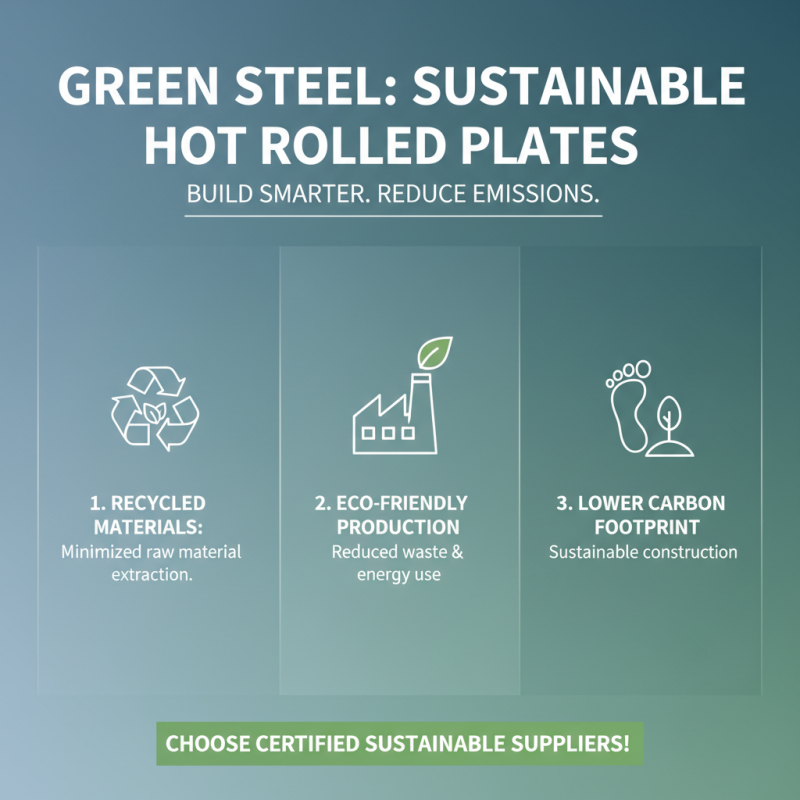
When selecting hot rolled plates for construction, sustainability should be a key consideration. The environmental impact of materials used in construction is becoming increasingly important, and choosing hot rolled plates manufactured with sustainable practices can significantly reduce your project's carbon footprint. Look for suppliers that prioritize eco-friendly processes, such as using recycled materials and minimizing waste during production.

Tips:
- Research suppliers who implement sustainable manufacturing practices, including energy-efficient machinery and responsible sourcing of raw materials.
- Consider the lifecycle of the hot rolled plates, from production to potential future recycling options, ensuring that the materials can be reused or repurposed after their initial use.

Another aspect of sustainability in hot rolled plate selection is the consideration of local sourcing. Using locally produced materials not only supports the community but also reduces transportation emissions, contributing to a more sustainable construction process. Additionally, local suppliers may be more transparent about their manufacturing practices, allowing for more informed decision-making.

Tips:
- Evaluate the environmental report of local suppliers to understand their sustainability initiatives.
- Assess the availability of eco-certifications that can provide assurance about the sustainability of the hot rolled plates you intend to use.

FAQS

: What are hot rolled plates primarily used for in construction?

: Hot rolled plates are primarily used in structural applications such as building frames, bridges, and heavy machinery bases due to their strength and ability to withstand heavy loads.

How significant is the use of hot rolled steel in construction?

Hot rolled steel accounts for approximately 70% of the total structural steel used in construction, underscoring its importance in creating durable and resilient structures.

What additional applications do hot rolled plates have outside of structural uses?

Hot rolled plates are also used in manufacturing components for industrial equipment and the transportation sector, including conveyor systems, storage tanks, and automotive parts.

What factors should be considered when analyzing the cost of hot rolled plates?

It’s essential to balance cost and quality, considering not just the purchase price but also potential long-term savings from using higher-grade materials that require fewer repairs and maintenance.

How can one ensure they get the best pricing for hot rolled plates?

Compare multiple suppliers, specify the grades and thicknesses needed, consider delivery costs, and inquire about bulk purchasing discounts to achieve better pricing.

Why is sustainability an important consideration when selecting hot rolled plates?

Selecting hot rolled plates made with sustainable practices can reduce the project's carbon footprint and minimize environmental impact by choosing materials produced with eco-friendly processes.

What should you look for in suppliers to ensure sustainable practices?

Research suppliers that use recycled materials, have energy-efficient manufacturing processes, and demonstrate responsible sourcing of raw materials.

What is the importance of local sourcing in sustainable construction?

Using locally produced materials supports the local community and reduces transportation emissions, leading to a more sustainable construction process.

How can you verify the sustainability of hot rolled plates?

Evaluate the environmental reports of local suppliers and look for eco-certifications that provide assurance about the sustainability of the plates.

What role does the lifecycle of hot rolled plates play in their sustainability?

Considering the lifecycle of the plates, from production to potential future recycling options, ensures that materials can be reused or repurposed after their initial use, contributing to sustainability.

Conclusion

Choosing the right hot rolled plate for your construction project involves a comprehensive understanding of its key characteristics, including strength, ductility, and surface finish. These plates are widely utilized in various construction applications, from structural components to manufacturing machinery. When selecting hot rolled plates, it's crucial to consider factors such as material grade, specifications, and the balance between quality and budget.

Assessing the appropriate grade of hot rolled plate will ensure that it meets the project’s requirements while also adhering to industry standards. Cost analysis is vital—finding a suitable balance between high quality and budget constraints can significantly impact project success. Finally, sourcing quality hot rolled plates from reliable suppliers and considering the sustainability of materials will contribute to an environmentally responsible construction approach.

Lila

Lila

Lila is a dedicated marketing professional at Guangzhou Chengxin Metal Co., Ltd., where she has been instrumental in elevating the company's presence since its establishment in 2018. Nestled in the bustling coastal city of Guangzhou, this leading steel processing and distribution service provider......
Previous 7 Compelling Reasons Why Best Metal Square Tubing is a Game Changer for Global Procurement