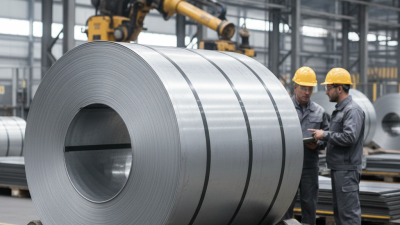
In the fast-changing world of Oxide Removal Steel, experts are always on the lookout for fresh, innovative solutions. I mean, one of the industry’s top folks, Dr. Sarah Thompson from Steel Solutions, puts it simply: "Getting rid of oxides efficiently is key to making steel better." Looking ahead to 2026, it’s pretty clear that improving oxide removal methods is more important than ever.
Honestly, a lot of companies still cling to old-school techniques, which often don’t get the job fully done and just end up creating more waste. It’s a tough challenge, and it really highlights how important it is for professionals in this field to review what they’re doing. Sometimes, just tweaking the approach can lead to way better results — in terms of both efficiency and being kinder to the environment.
Getting a good grip on the different oxide removal processes can also help spot potential issues early on. Each method has its own pros and cons, so it’s worth taking the time to really evaluate which strategy fits best. The goal isn’t just removing oxides but also doing so in a way that’s better for our planet. The whole journey toward perfecting oxide removal in steel is ongoing and complicated, requiring fresh ideas and continuous effort to improve things.
Effective Techniques for Oxide Removal from Steel in 2026
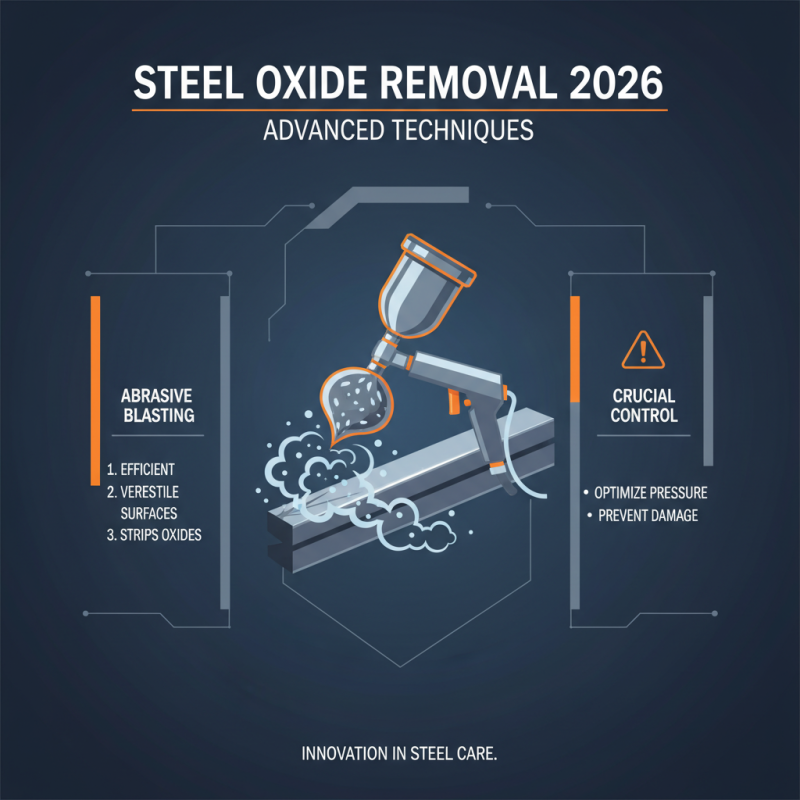
In 2026, effective techniques for oxide removal from steel have greatly advanced. One method gaining popularity is abrasive blasting. This technique uses abrasive materials to strip away oxides. It is efficient and can be used on various steel surfaces. However, controlling the pressure is crucial. Too much force could damage the steel beneath.
Another technique involves chemical treatments. Special solutions dissolve the oxide layer. These chemicals are often less aggressive than abrasive methods. Still, they can be hazardous. Proper safety measures are necessary. Many users overlook this aspect, which leads to accidents.
For those involved in steel coil wholesale, understanding these techniques is essential. They ensure the quality of the product. However, it is vital to assess the effectiveness of chosen methods regularly. Some techniques may not yield expected results. Regular evaluation can prevent costly mistakes and maintain standards. Balancing efficiency and safety should always be a priority.
Understanding Steel Oxidation: Causes and Implications
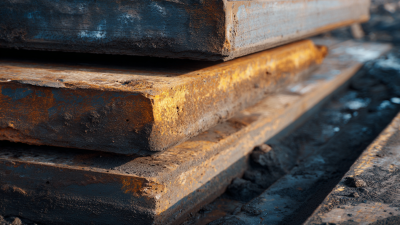
Steel oxidation is a common issue in construction and manufacturing. It happens when steel reacts with moisture and oxygen. This process leads to rust formation, weakening the material. According to a recent industry report, around 30% of structural failures in steel frameworks arise due to oxidation-related issues. These findings underline the importance of addressing oxidation effectively.
The implications of steel oxidation extend beyond aesthetics. Corrosion can lead to significant financial losses. The National Association of Corrosion Engineers estimates that corrosion costs U.S. industries about $276 billion annually. Moreover, oxidation can compromise safety. Structures may fail unexpectedly, endangering lives. It is crucial for industries to consider preventive measures seriously.
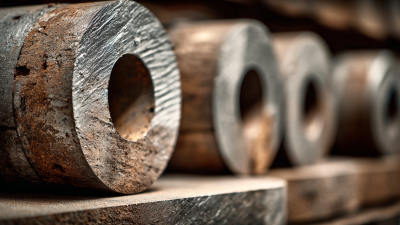
Factors contributing to oxidation include environmental conditions. High humidity and salt exposure can accelerate rusting. On the other hand, low humidity might slow it but won't stop it entirely. Many companies struggle with maintaining optimal conditions for their steel products. Even with advanced coatings, oxidation remains a persistent challenge. Regular inspections are critical. Many industries overlook this step, leading to long-term consequences. Understanding the root causes is essential for effective intervention.
Comparative Analysis of Chemical and Mechanical Oxide Removal Methods
When it comes to removing oxide from steel, two methods stand out: chemical and mechanical. Chemical methods involve using acid solutions. These can efficiently dissolve rust and oxidation. However, they come with risks. Harmful fumes and chemical residues can pose safety hazards. Proper ventilation and protective gear are essential.
Mechanical methods, on the other hand, include sandblasting and grinding. These techniques provide immediate results and can be controlled better. Yet, they can damage the steel surface if not done correctly. Overly aggressive methods may lead to scratches and imperfections. A cautious approach is vital here to maintain material integrity.
Finding a balance is crucial. Choosing between these methods depends on the project's needs and desired finish. For those sourcing high-quality steel coil manufacturer products, understanding these processes ensures better longevity and performance. It’s essential to weigh the pros and cons before deciding on a method. Each choice has its consequences.
Latest Innovations in Eco-Friendly Oxide Removal Solutions
As industries strive for sustainability, eco-friendly solutions for oxide removal from steel are becoming essential. Research indicates that conventional oxide removal methods often involve harsh chemicals, creating environmental concerns. In contrast, innovations in eco-friendly techniques showcase a shift towards safer and more sustainable practices. For example, studies reveal that using biodegradable solutions can reduce environmental impact by up to 70%.
One promising approach is employing bio-based agents that leverage natural enzymes. These enzymes effectively break down oxides without harmful residues. This method aligns with the increasing demand for greener processes in handling bulk hot-rolled steel. Moreover, utilizing ultrasound technology enhances the efficiency of these methods, making oxide removal quicker and more effective.
Tips: Always test a small area first. This testing helps avoid any adverse reactions on the surface. Additionally, consider the temperature control during the process. Higher temperatures may increase efficiency but could also cause damage if not monitored closely. Keeping an eye on these variables can lead to better results. Make sure to document your findings, as this data can guide future projects.
Impact of Laser Technology on Oxide Cleaning Efficiency
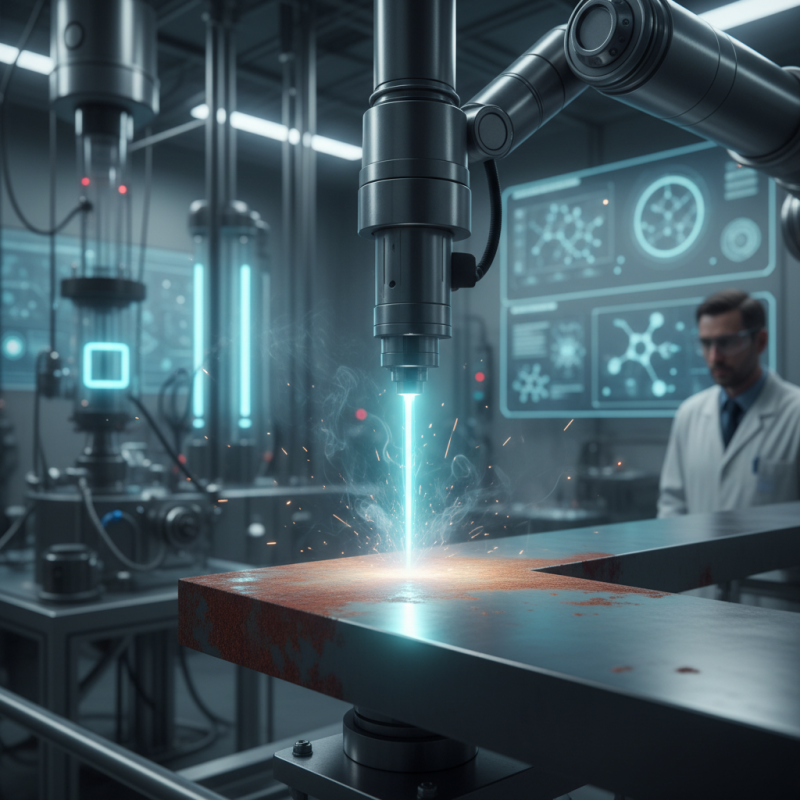
Laser technology has revolutionized the way we approach oxide removal from steel. By using focused light beams, lasers can precisely target oxide layers. This method is efficient and minimizes damage to the underlying steel. It can handle different steel types, including hot-rolled Steel Coil. As we look forward, industries are adopting this tech for improved outcomes.
However, there are challenges. Not all oxides respond well to laser treatment. Surface irregularities can complicate cleaning. It's crucial to adjust settings based on the steel type and oxide thickness. Various parameters, like pulse duration and intensity, can impact effectiveness. Testing different combinations can help find the optimal approach.
**Tips:** Always start with a clean surface. Test the laser on a small area first. Monitor the process closely to avoid overdoing it. Regular maintenance of laser equipment is essential for consistent results. This will help ensure the longevity of both the equipment and the steel surfaces. Each cleaning session teaches us something new. Oxide removal is both a science and an art.
Impact of Laser Technology on Oxide Cleaning Efficiency (2026)
Safety Standards and Best Practices for Handling Oxide Removal Chemicals
When dealing with oxide removal from steel, safety must be a priority. Commonly used chemicals can pose risks, including skin irritation and respiratory issues. According to the Occupational Safety and Health Administration (OSHA), nearly 5,000 employees in the metalworking industry experience workplace-related injuries annually. Therefore, employing best practices is crucial.
Personal protective equipment (PPE) is essential. Gloves, goggles, and respirators should be worn during the process. Clean, well-ventilated spaces are crucial. Industry guidelines recommend using fume hoods to minimize chemical inhalation risks. Even with safety measures, accidents can happen. Ensuring spill containment protocols are in place is vital.
Monitoring chemical exposure is often overlooked. Regular air quality assessments can help prevent unnoticed hazards. Some reports indicate that nearly 30% of workplace accidents stem from chemical mishandling. Implementing proper training for workers on handling these materials safely could reduce these risks. It's easy to underestimate the dangers in oxide removal. Continuous evaluation of safety standards is necessary for a secure working environment.
Evaluating Cost-Effectiveness of Different Oxide Removal Approaches
When considering oxide removal from steel, cost-effectiveness is key. Techniques vary widely. Some methods are expensive, while others offer savings. It’s vital to weigh both the costs and results.
The abrasive blasting method is popular. It's effective but can require significant labor and equipment investment. Compare that to chemical treatments. They might have lower initial costs but could lead to ongoing expenses. Each option has trade-offs that need careful evaluation.
**Tips:**
Use a test sample before large-scale removal. This helps understand how the steel reacts. Regular maintenance can prevent buildup, saving money later. Assess environmental impacts of each method. Lower costs are great, but sustainability matters too. Make choices that align with your budget and values.
How to Effectively Remove Oxide from Steel in 2026? - Evaluating Cost-Effectiveness of Different Oxide Removal Approaches
| Method | Cost per Unit ($) | Time Required (hours) | Effectiveness (%) | Environmental Impact (1-10) |
| Chemical Removal | 150 | 2 | 95 | 7 |
| Abrasive Blasting | 200 | 3 | 90 | 6 |
| Electrolytic Removal | 250 | 4 | 97 | 8 |
| Laser Cleaning | 300 | 1.5 | 98 | 5 |
| Mechanical Scrubbing | 100 | 2.5 | 85 | 4 |
Exploring the Advantages of Corrosion-Resistant Cold-Hardened Steel Coils: Insights from Industry Reports and Market Trends
Exploring the advantages of corrosion-resistant cold-hardened steel coils reveals significant benefits for various industries. The production process, utilizing cold reduction with a draft range of 50–95% on Sendzimir mills, results in ultra-fine grain sizes that fall between ASTM 10 and 12. This method of severe plastic deformation not only enhances the material's microstructural properties but also substantially increases its tensile strength, reaching up to 1,200 MPa. The ability of these coils to maintain elongation rates between 3% and 8% showcases their ductility, making them ideal for applications requiring both strength and flexibility.
Additionally, the proprietary annealing cycles employed during manufacturing, conducted at temperatures ranging from 650°C to 750°C in H₂/N₂ atmospheres, ensure that the microstructure remains stable. This stabilization is crucial in achieving consistent hardness levels, with Rockwell B hardness ranging from 70 to 100 and a tolerance of ±2 HRB. Such mechanical properties make these cold-hardened steel coils not only robust against physical stresses but also highly resistant to corrosion, further enhancing their applicability in harsh environments. As industries increasingly demand materials that can withstand aggressive operating conditions, the integration of high-performance cold-hardened steel coils stands out as a strategic solution.
FAQS
: Think about your goals and resources. Assess your time and budget constraints.
Break tasks into smaller pieces. Celebrate small wins along the way.
Many underestimate the time required. Others ignore potential risks.
Practice organization and planning. Seek feedback from others regularly.
Missed deadlines and budget overruns are clear signs. Lack of communication also raises concerns.
Teamwork can significantly influence outcomes. Poor collaboration can lead to frustration.
Reevaluate your plans. Adjust your strategies as needed.
Set clear standards and conduct regular reviews. Encourage team involvement in quality checks.
Overlooking stakeholder input often leads to issues later.
Address issues openly and seek compromise. Encourage a culture of respect and understanding.
Conclusion
In 2026, effectively removing oxide from steel, a critical process for maintaining the integrity and performance of steel products, can be achieved through a variety of advanced techniques. Understanding the causes and implications of steel oxidation is essential, as it helps in choosing the appropriate removal strategy. This article explores both chemical and mechanical methods, comparing their effectiveness while highlighting the latest innovations in eco-friendly solutions.
Additionally, the introduction of laser technology is revolutionizing Oxide Removal Steel processes, providing efficient and precise cleaning capabilities. Safety standards and best practices for handling chemicals involved in oxide removal are also discussed to ensure worker safety and environmental protection. Ultimately, a thorough evaluation of the cost-effectiveness of different oxide removal approaches enables businesses to make informed decisions that optimize both performance and budget.