Leave Your Message
0%

You know, in the steel industry, dealing with oxides is pretty much a common headache. They can really mess up the quality and performance of steel products. I came across a report by the International Steel Association that said nearly 40% of surface defects in steel are caused by oxide formation during processing—that’s quite a chunk! These oxides don’t just make the steel look less appealing; they can also weaken its mechanical properties, which means it’s less durable and not as strong as it should be. That’s why getting rid of oxides effectively is such a big deal for manufacturers who want their products to last longer and perform reliably.

Removing oxides isn’t just about making the steel look better either. It’s actually super important for improving other manufacturing steps like coating and welding. There was this study in the Journal of Materials Science that pointed out proper oxide removal could boost the adhesion of protective coatings by up to 50%! Pretty impressive, right? That kind of improvement can really extend the life of steel structures and parts. As steel production keeps evolving, it’s clear that having a solid, step-by-step process to tackle oxide removal is key for staying competitive—especially in a market that’s pretty demanding when it comes to quality and flaw-free products. This guide is designed to help manufacturers deal with those pesky oxides and up their overall game in production.
How to Effectively Remove Oxides from Steel: Step-by-Step Guide

Understanding Oxidation and Its Effects on Steel

How to Effectively Remove Oxides from Steel: Step-by-Step Guide

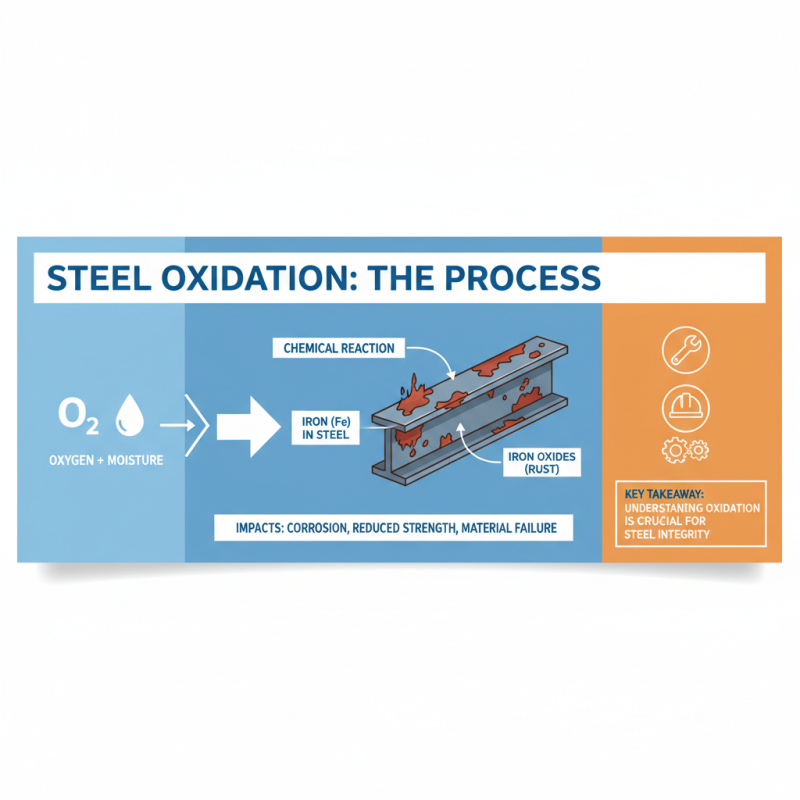
Oxidation is a chemical reaction that occurs when steel is exposed to oxygen and moisture, resulting in the formation of oxides. This process can significantly affect the integrity and appearance of steel, leading to issues such as corrosion, reduced strength, and premature failure. When iron in steel oxidizes, it forms iron oxides, commonly known as rust, which if left untreated can cause irreversible damage to the material. Understanding the mechanisms of oxidation is crucial for those who work with steel, whether in construction, manufacturing, or maintenance.

The effects of oxidation on steel can vary based on several factors, including the environment and the composition of the steel itself. For example, steel in damp or salty air is more susceptible to rust due to increased reactivity. Additionally, the presence of alloys can influence how steel reacts to oxidizing agents. Regular maintenance and timely removal of oxides are essential to preserve the material's mechanical properties and aesthetic appeal. Implementing effective methods to combat oxidation, such as cleaning and protective coatings, can extend the life of steel structures and products, ensuring their durability and safety over time.

Common Methods for Removing Oxides from Steel

Removing oxides from steel is essential for maintaining its durability and appearance. There are several common methods to achieve this, each with its unique benefits and applications. One frequently used method involves mechanical abrasion, wherein tools like wire brushes or sandpaper are employed to scrub away the oxidized layer. This method is effective for small areas and allows for exact control, but it may not be suitable for intricate or large surfaces.

Another popular technique is chemical rust removers, which often contain acids or other reactive substances that dissolve rust and oxide layers. These solutions can be applied via spraying or soaking, depending on the size of the steel object. It’s important to follow all safety guidelines when working with these chemicals to protect yourself and the environment.

Tips: When using any abrasive tools, always wear safety goggles and gloves to protect your eyes and skin. For those using chemical methods, ensure you work in a well-ventilated area and consider neutralizing the surface with a baking soda solution after treatment to prevent any residual acid from causing further corrosion. Additionally, consider applying a protective coating after cleaning to keep the steel safe from future oxidation.

Tools and Materials Needed for Oxide Removal

When it comes to effectively removing oxides from steel, it's crucial to use the right tools and materials to ensure a successful outcome while preserving the integrity of the metal. First on the list is a wire brush or rotary tool fitted with a brush attachment, which can effectively scrub away rust and other oxidized layers. According to reports from the American Welding Society, using a wire brush can reduce oxide levels by up to 75% in many applications, making it an essential tool for initial surface preparation.

In addition to mechanical tools, chemical solutions such as rust removers and phosphoric acid are key materials for deeper oxide removal. These chemicals work by reacting with the rust to convert it into a more manageable form, significantly enhancing the cleaning process. A study from the Journal of Materials Science indicates that phosphoric acid solutions can restore metal surface conditions during oxide removal, making them ideal for industrial applications. Safety equipment—including gloves, goggles, and masks—is also necessary to protect the user during the process, as the removal of oxidized materials can generate dust and debris that may be harmful to the respiratory system. Utilizing these tools and materials efficiently will ensure a thorough and effective oxide removal from steel surfaces.

Step-by-Step Process for Mechanical Oxide Removal

To effectively remove oxides from steel, a systematic mechanical process can be employed. The initial step is to assess the surface condition of the steel. This involves examining the extent of oxidation and selecting the appropriate tools for removal. Common mechanical methods include sandblasting, wire brushing, and grinding. Each method varies in intensity and effectiveness, so it's crucial to choose based on the level of oxidation present.

When utilizing mechanical removal techniques, safety should be a priority. Always wear protective gear, such as gloves, goggles, and a mask, to shield yourself from dust and debris created during the process. Additionally, ensure that the workspace is well-ventilated, especially when using power tools, to minimize inhalation of particles that may be harmful.

Tips: Consider starting with the gentlest method first, such as wire brushing, to avoid damaging the underlying steel. If more aggressive methods like sandblasting are necessary, ensure you have a controlled environment to prevent over-removal of material. Regularly check the progress to avoid going beyond the desired finish, and be mindful to clean the surface immediately after oxide removal to prevent new oxide formation.

Chemical Treatments for Oxide Elimination on Steel

Chemical treatments are a highly effective method for eliminating oxides from steel surfaces. One commonly used approach involves the application of acidic solutions, such as hydrochloric acid or phosphoric acid, which can effectively dissolve rust and other oxide formations. These acids work by reacting chemically with the oxidized layers, breaking them down and allowing for easy removal. When using these treatments, it is crucial to follow safety protocols, including wearing protective gear and ensuring proper ventilation to minimize exposure to harmful fumes.

Another effective chemical method for oxide removal is the utilization of chelating agents. These compounds bind to metal ions present in the oxides, forming stable complexes that can be washed away. For instance, citric acid and EDTA (ethylenediaminetetraacetic acid) are popular choices due to their strong chelating properties. After applying the chelating solution, it is important to rinse the steel thoroughly to remove any residual chemicals and ensure that the surface remains clean for further treatment or finishing. This approach not only removes oxides but can also prepare the metal for better adhesion of paint or coatings, enhancing its durability and aesthetic appeal.

Best Practices for Preventing Future Oxidation on Steel

How to Effectively Remove Oxides from Steel: Step-by-Step Guide

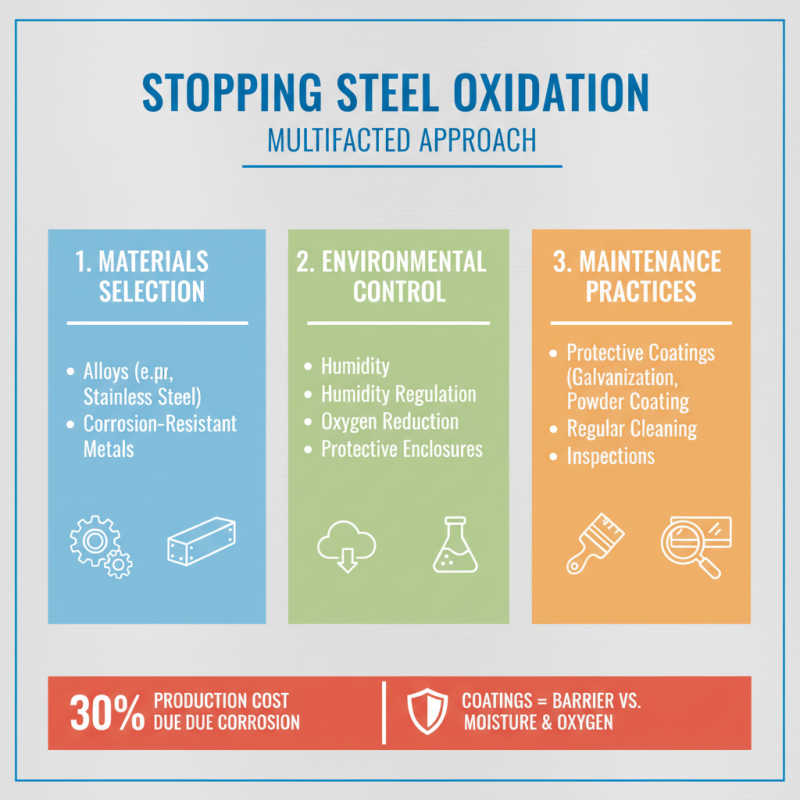
Preventing future oxidation on steel requires a multifaceted approach that combines proper materials selection, environmental control, and maintenance practices. According to a report by the Corrosion Technology Association, around 30% of the cost of production in various industries is attributed to corrosion-related issues. This highlights the importance of implementing best practices in the maintenance of steel components. Regular application of protective coatings such as galvanization or powder coating can significantly reduce the likelihood of oxidation. These coatings serve as a barrier, protecting the steel from exposure to moisture and oxygen, which are both essential for the oxidation process.

Furthermore, controlling the environment in which the steel is located is critical. Humidity levels should be monitored and controlled, as high moisture can accelerate oxidation. For industrial settings, the use of dehumidifiers and climate control systems can make a substantial difference in preventing corrosion. Additionally, routine inspections are essential in identifying early signs of oxidation and addressing them promptly. The National Association of Corrosion Engineers (NACE) reports that implementing regular corrosion assessment practices can lower maintenance costs by up to 50%, emphasizing the economic benefits of proactive measures against oxidation. By combining these strategies, one can significantly extend the lifespan of steel products and structures, ultimately leading to substantial cost savings and enhanced safety.

Safety Precautions to Consider When Removing Oxides from Steel

When it comes to removing oxides from steel, safety cannot be overlooked. Oxidation removal often involves the use of chemicals and tools that can pose risks such as skin irritation, respiratory problems, and more. According to a report by the Occupational Safety and Health Administration (OSHA), inadequate safety measures in handling chemicals can lead to over 40,000 workplace injuries annually. Therefore, safety precautions are essential. Always ensure that you work in a well-ventilated area, use protective gloves and goggles, and wear a mask to prevent inhalation of any harmful particles or vapors.

Furthermore, before starting the oxide removal process, it is crucial to assess the surrounding environment. Keep flammable materials away, and ensure that appropriate fire extinguishers are easily accessible in case of emergencies. The National Fire Protection Association (NFPA) indicates that chemical accidents account for a significant percentage of industrial fires, highlighting the importance of preparedness. Additionally, it’s advisable to have a first aid kit nearby and to familiarize yourself with emergency procedures in the event of exposure.

Tips: Always test a small, inconspicuous area first when applying any chemical solution to ensure compatibility with the steel surface. Additionally, consider using a less aggressive method, such as mechanical scraping or abrasive blasting, as alternatives to chemical cleaning agents, which can pose additional hazards. By taking these precautions, you can effectively remove oxides from steel while maintaining the highest safety standards.

How to Effectively Remove Oxides from Steel: Step-by-Step Guide - Safety Precautions to Consider When Removing Oxides from Steel

Step Method Materials Needed Safety Precautions
1 Manual Scrubbing Wire Brush, Rags Wear gloves and safety goggles.
2 Chemical Removal Rust Remover, Spray Bottle Use in well-ventilated area; wear a mask.
3 Sandblasting Sandblaster, Abrasive Material Use protective gear; avoid inhaling dust.
4 Electrolytic Cleaning Battery Charger, Cleaning Solution Ensure no water spillage; use gloves.

FAQS

: What tools are recommended for oxide removal from steel?

: A wire brush or a rotary tool with a brush attachment is recommended for effective oxide removal. These tools can significantly reduce oxide levels and help in initial surface preparation.

What chemical solutions can assist in the oxide removal process?

Chemical solutions such as rust removers and phosphoric acid are effective for deeper oxide removal, converting rust into a more manageable form.

Why is safety equipment important during the oxide removal process?

Safety equipment, including gloves, goggles, and masks, is necessary because the removal process can generate dust and debris that may be harmful to the respiratory system.

How can future oxidation on steel be prevented?

Preventing future oxidation requires regular application of protective coatings, such as galvanization or powder coating, to create a barrier against moisture and oxygen.

What role does environmental control play in preventing oxidation?

Controlling humidity levels is critical, as high moisture can accelerate oxidation. Using dehumidifiers and climate control systems can help maintain a suitable environment for steel.

How can routine inspections benefit steel maintenance?

Routine inspections can help identify early signs of oxidation and allow for prompt action, potentially lowering maintenance costs by up to 50% through proactive measures.

What are the economic benefits of implementing corrosion prevention practices?

Implementing corrosion prevention strategies can lead to substantial cost savings by extending the lifespan of steel products and reducing corrosion-related maintenance expenses.

How effective are protective coatings against oxidation?

Protective coatings such as galvanization or powder coating can significantly reduce the likelihood of oxidation by protecting steel from moisture and oxygen exposure.

What is the impact of oxidation-related issues on production costs?

Around 30% of production costs in various industries can be attributed to corrosion-related issues, highlighting the importance of effective maintenance practices.

What is the benefit of using phosphoric acid solutions during oxide removal?

Phosphoric acid solutions can restore metal surface conditions during oxide removal, making them particularly suitable for industrial applications.

Conclusion

The article "How to Effectively Remove Oxides from Steel: Step-by-Step Guide" provides a comprehensive overview of oxide removal in steel, beginning with an understanding of oxidation and its detrimental impacts. It discusses common methods for oxide removal, including mechanical and chemical treatments, while outlining the necessary tools and materials for effective processes. A detailed step-by-step guide for mechanical oxide removal is presented, enabling readers to follow a clear procedure.

Additionally, the article emphasizes best practices to prevent future oxidation on steel surfaces, ensuring long-term protection. Important safety precautions are highlighted to safeguard individuals during the oxide removal process. Overall, this guide serves as a valuable resource for anyone looking to enhance the durability and appearance of steel through effective oxide removal techniques.

Lila

Lila

Lila is a dedicated marketing professional at Guangzhou Chengxin Metal Co., Ltd., where she has been instrumental in elevating the company's presence since its establishment in 2018. Nestled in the bustling coastal city of Guangzhou, this leading steel processing and distribution service provider......
Previous 7 Compelling Reasons Why Best Metal Square Tubing is a Game Changer for Global Procurement