Getting a steady and reliable source of Steel Stripis honestly one of those tricky parts many businesses struggle with today. The Global Steel market? It’s booming and expected to hit over a trillion dollars by 2025—that’s a huge spike in demand and competition. According to the World Steel Association, steel production is forecasted to grow by about 1.7% every year for the next few years. All of this? It’s both an exciting opportunity and a bit of a headache for companies trying to source Steel Strip without breaking the bank or running into delays.
John Smith, a pretty well-known expert in metallurgy, puts it like this: "The secret to sourcing Steel Strip is really understanding market trends along with what your suppliers are capable of delivering." His advice? Companies should take a strategic approach—think carefully about quality, cost, and delivery schedules when choosing suppliers. Building good relationships with these suppliers can really pay off in terms of better prices and more dependable service.
That said, sourcing Steel Strip isn’t all smooth sailing. Prices tend to fluctuate, and standards for quality can vary a lot. So, businesses need to constantly review and tweak their sourcing strategies to make sure they’re still hitting their goals. Ignore that, and you might end up with delays, higher costs, or worse. By making smarter, more informed decisions, companies can navigate the often tricky world of Steel Strip sourcing a lot more successfully.
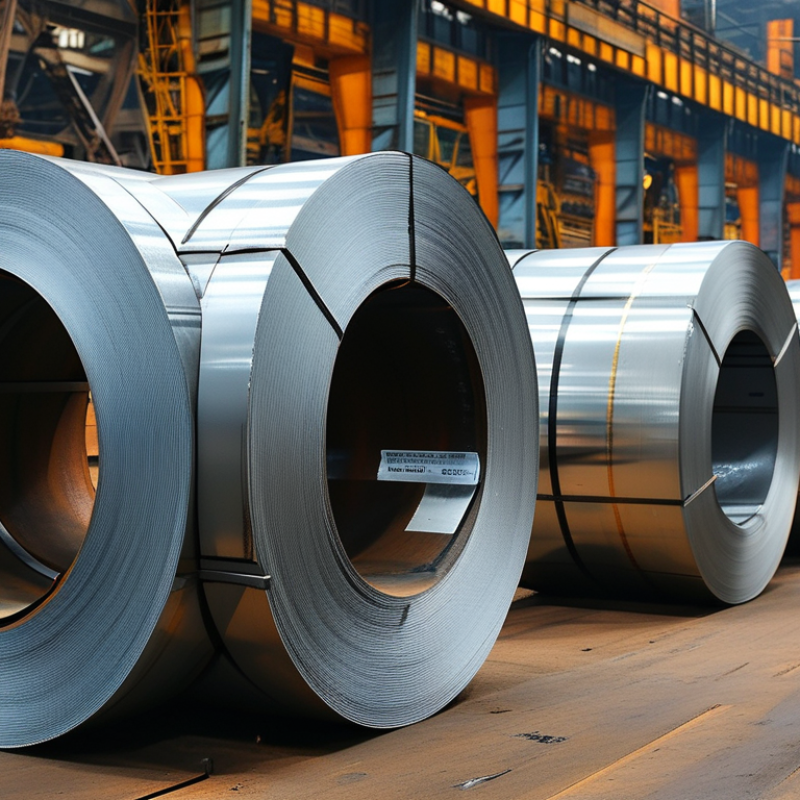
Understanding the Different Grades of Steel Strips Available in the Market
When sourcing steel strip, understanding the different grades available is crucial. Steel strips are categorized by their chemical composition and mechanical properties. Common grades include A36, 1010, and 304 Stainless Steel, each suited for various applications. Data from the World Steel Association highlights that the demand for high-quality steel strips is growing, with industry projections indicating a CAGR of 4.5% over the next five years.
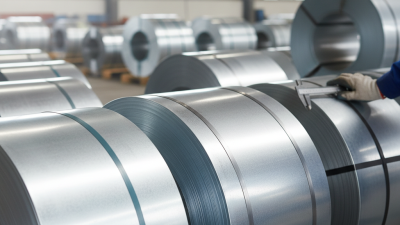
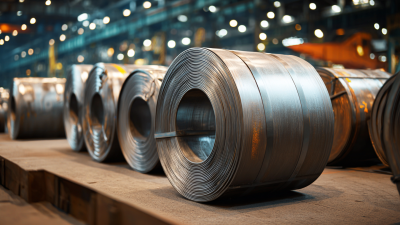
A Steel Strip Coil is often produced to meet specific standards. For example, cold-rolled steel strips typically exhibit better tolerance levels. They are more suitable for applications where precision is paramount, such as in automotive manufacturing. However, sourcing these materials may lead to challenges. The market can be volatile, affecting prices and availability. Many suppliers may not provide full transparency about the quality. Hence, it's essential to conduct thorough research and obtain multiple quotes before making a decision.
Not all suppliers adhere to the same quality assurance standards. This inconsistency can lead to significant issues in the supply chain. Some businesses have reported discrepancies in thickness or tensile strength, directly impacting their operations. Evaluating supplier credentials and certifications can help mitigate such risks. Sourcing steel strip can be complex, but with informed choices, companies can ensure they obtain the quality they need.
How to Source Steel Strip Efficiently for Your Business Needs?
| Grade | Applications | Thickness Range (mm) | Yield Strength (MPa) | Tensile Strength (MPa) |
| SS400 | Construction, General Fabrication | 1.0 - 4.0 | 245 | 400 - 490 |
| S235JR | Structural Steel Applications | 1.2 - 5.0 | 235 | 340 - 470 |
| AISI 304 | Food Processing, Chemical Industry | 0.4 - 3.0 | 215 | 520 - 720 |
| AISI 5160 | Automobile, Springs, Heavy-Load Applications | 1.0 - 3.5 | 350 | 700 - 1300 |
Evaluating Supplier Credentials: Key Criteria for Reliable Steel Strip Sourcing
When sourcing steel strip, evaluating supplier credentials is essential. Reliable suppliers should offer more than just competitive pricing. According to the World Steel Association, over 1.8 billion tons of steel were produced globally in 2022, highlighting the competitiveness in this market. Understandably, not all suppliers maintain the same level of quality or compliance. It's crucial to investigate their certifications, such as ISO standards, which ensure adherence to industry best practices.
Quality assurance is another factor for reliable steel strip sourcing. A supplier should provide detailed testing reports and certifications. For instance, a study by Markets and Markets indicates that quality control directly affects supply chain efficiency. Suppliers who lack transparency may not meet your production demands, leading to costly delays. Look for evidence of past performance metrics. Testimonials and case studies can offer insights into reliability.
Pricing strategies can differ significantly among suppliers. While searching for steel coil wholesale options, remember that the lowest price may not reflect the highest quality. A comprehensive evaluation should consider factors such as material grades, delivery timelines, and customer service. By ensuring thorough background checks and references, you can make informed sourcing decisions that support your business needs effectively.
Analyzing Cost Factors: Pricing Trends in the Steel Strip Industry
In the steel strip industry, pricing trends can fluctuate significantly. Factors such as raw material costs, demand, and geopolitical events influence prices. For instance, when demand surges, prices often follow suit. Understanding these dynamics is crucial for businesses sourcing steel strip efficiently.
Monitoring market reports is one approach to gauge pricing. Steel strip prices can vary based on thickness and finish. Staying updated on these specifics helps businesses make informed decisions. However, relying solely on market data may lead to oversight in negotiation tactics. Relationships with suppliers can also shape pricing outcomes.
Another consideration is the impact of global supply chains. Disruptions can lead to inventory shortages, driving up costs unexpectedly. Companies must reflect on their sourcing strategies. Are they too reliant on particular suppliers? A diversified approach can mitigate risks and foster more stable pricing. Developing a clear understanding of cost factors is essential for navigating this competitive landscape.
Steel Strip Price Trends
This chart displays the pricing trends of steel strip over the past year, providing insights into fluctuations and cost factors impacting the steel industry.
Exploring Supply Chain Logistics for Efficient Steel Strip Procurement
When sourcing steel strip, understanding supply chain logistics is crucial. Efficient procurement begins with evaluating suppliers. It's important to assess their production capacity and delivery capabilities. Visit manufacturing sites when possible. This builds trust and transparency in operations. A reliable supplier can significantly reduce lead times.
Next, consider transportation options. Will the steel strip be trucked or shipped? Each method has its pros and cons. Trucking allows for faster delivery but can be costlier. On the other hand, shipping may reduce costs but increase transit times. Analyze your business's specific needs.
Always keep an eye on market conditions. Prices can fluctuate due to various factors. Engage with multiple suppliers to negotiate better deals. Staying informed helps in making smarter purchasing decisions. This way, your procurement process becomes not only efficient but also resilient.
Leveraging Technology: Tools for Tracking Steel Strip Availability and Pricing
In today’s fast-paced market, sourcing steel strip efficiently is crucial. Leveraging technology can streamline this process. Advanced tools for tracking steel strip availability and pricing are now available. One such tool utilizes real-time data to supply businesses with accurate information. According to recent industry reports, about 70% of companies benefit from automated inventory management systems. These systems reduce time spent on manual tracking. When prices fluctuate, timely data assists in making informed decisions.
Moreover, employing mobile applications can enhance accessibility to crucial information. Statistics show that manufacturers who use such applications report a 30% increase in procurement efficiency. However, reliance on technology can have its drawbacks. Not all platforms offer complete coverage of suppliers, leading to potential gaps. Continuous evaluation is necessary to ensure that the chosen tools align with business goals.
For businesses seeking high-quality steel coil manufacturer partners, accurate tracking becomes even more essential. Fluctuating market conditions can impact pricing significantly. Keeping abreast of supply chain dynamics allows firms to leverage opportunities. Nonetheless, while technology aids sourcing, human expertise remains vital. Understanding market trends and supplier reliability provides a balanced approach to procurement.
Assessing Environmental Impact and Compliance Standards in Steel Sourcing
When sourcing steel strips, compliance with environmental standards is essential. Many industries face scrutiny regarding their sourcing practices. According to a report from the World Steel Association, approximately 50% of steel production emits significant CO2. This figure pushes manufacturers to seek greener alternatives.
Assessing environmental impact begins with selecting suppliers committed to sustainability. A report from the Global Steel Innovations Forum indicates a growing trend towards eco-friendly practices in steel production. Suppliers are now being evaluated based on their carbon footprint and waste management strategies. Ignoring these factors may lead to regulatory issues and public backlash.
Moreover, certifications like ISO 14001 set benchmarks for environmental management. They help businesses verify compliance. Relying solely on cost and availability can jeopardize long-term business sustainability. Companies should reconsider their sourcing decisions. A balance between cost-efficiency and environmental responsibility is crucial. Adopting a proactive approach can minimize risks associated with non-compliance and enhance reputational value.
Negotiation Techniques: Maximizing Value in Steel Strip Contracts and Terms
Negotiating steel strip contracts requires skill and strategy. Understanding the market dynamics is key to securing favorable terms. Research prices, delivery options, and quality standards. This knowledge empowers you during discussions. Don't hesitate to ask questions. Ensure you understand every term before signing.
When discussing prices, consider quantity discounts. bulk hot-rolled steel purchases often lead to better deals. Sellers may offer lower rates for large orders. However, always evaluate the total cost, including shipping and handling. Be wary of hidden fees that might inflate the price later.
It’s crucial to maintain a balance between firmness and flexibility. Sometimes being too rigid can close doors. Reflect on your strategies. Are you missing opportunities by not listening actively? Building rapport with suppliers can also lead to better negotiations. A strong relationship may result in future discounts or priority service. Keep in mind that negotiation is an ongoing process. Each interaction is a chance to refine your approach for even better outcomes.
Exploring the Advantages of Cold-Rolled Steel Coils with Matt Finish for High-Quality Deep-Drawn Components from China Suppliers
Cold-rolled Matte Finish coils produced by top Chinese suppliers offer significant advantages for manufacturers of high-quality deep-drawn components. Utilizing advanced EDM-textured surface technology, these coils achieve a consistent, non-directional grain pattern with a surface roughness (Ra) of 1.8–2.5 μm. This careful craftsmanship not only enhances the aesthetic appeal of the products but also improves their functional performance, making them an excellent choice for a variety of applications.
One of the standout features of these cold-rolled coils is their matte topography, which provides a gloss level of 60–85 GU. This unique characteristic leads to a remarkable 40% increase in paint adhesion when compared to traditional Bright Finishes, ensuring that coatings remain durable and attractive over time. Moreover, the JIS G3141 SPCC/SPCE grades of these coils undergo precise batch annealing at 710°C. This process optimally adjusts their r-values to between 1.4–1.8, which is crucial for deep-drawing applications, as it facilitates complex forming processes that require enhanced ductility.
By choosing cold-rolled matte finish coils from reliable Chinese suppliers, manufacturers can trust in quality and consistency tailored to meet their production needs, ensuring efficiency and performance in their final products.
FAQS
: Technology streamlines sourcing by providing real-time data on availability and pricing. This reduces manual tracking efforts.
Automated systems help about 70% of companies save time. They simplify tracking and improve inventory accuracy significantly.
Yes, manufacturers using mobile apps see a 30% boost in efficiency. However, not all platforms cover every supplier.
Technology can have gaps in coverage, leading to missed opportunities. Continuous evaluation of tools is essential.
Research pricing and delivery options before negotiations. Understanding market dynamics helps in securing better terms.
Absolutely, asking questions clarifies terms and ensures understanding. Don’t hesitate to seek clarification on any detail.
Bulk orders often lead to better pricing. Evaluate total costs, including shipping, to avoid hidden fees.
Building rapport with suppliers can lead to future discounts and better service. Strong relationships often yield long-term benefits.
No, negotiation is ongoing. Each interaction offers a chance to refine your strategy for improved outcomes.
Consider if you are being too rigid or missing opportunities. Active listening can enhance your negotiation tactics.
Conclusion
Efficient sourcing of steel strips for business needs involves a comprehensive understanding of various grades available in the market, as different applications may require specific material properties. When selecting suppliers, it’s crucial to evaluate their credentials, focusing on their reliability and capacity to meet demand. Additionally, analyzing cost factors and current pricing trends helps companies make informed purchasing decisions.
Exploring supply chain logistics ensures timely procurement and delivery, which is essential for maintaining operational efficiency. Leveraging technology allows businesses to track steel strip availability and pricing in real-time, enhancing decision-making processes. Moreover, assessing environmental impacts and compliance standards is vital for sustainable sourcing. Finally, employing effective negotiation techniques can maximize value in contracts, ensuring favorable terms for steel strip purchases.