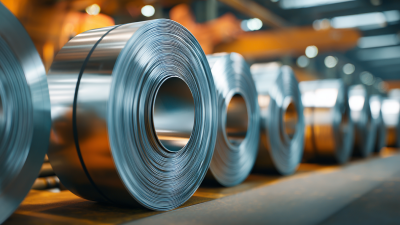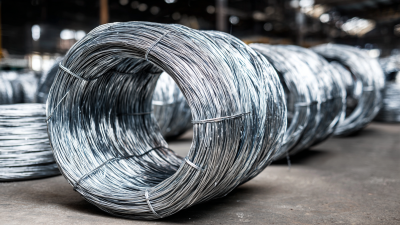
In today’s world of manufacturing, materials like Pickled Steel Coil really can’t be overlooked. As industries keep evolving and the push for high-quality, durable products ramps up, having efficient steel processing techniques becomes more important than ever. I remember talking to industry expert John Smith—he's been in the field for over 20 years, and he once said, ‘The quality of the raw materials directly affects how well the final product performs and how long it lasts.’ It’s a simple point, but it hits home: using top-notch materials like Pickled Steel Coil really does make a difference.
At GUANGZHOU CHENGXIN METAL CO., LTD., we’ve seen firsthand how precision-engineered steel can make waves across different industries—think automotive, construction, appliances—you name it. Since we started back in 2018, our goal has been pretty clear: become a top player in steel processing and distribution right here in South China. We’re all about quality and innovation, making sure our customers get the best Pickled Steel Coil products that meet their specific needs. Looking ahead, we’re excited to keep adopting new processing tech that’ll boost how Pickled Steel Coil is used in manufacturing, making everything more efficient and durable—it's pretty cool to be part of shaping the products that impact our daily lives.
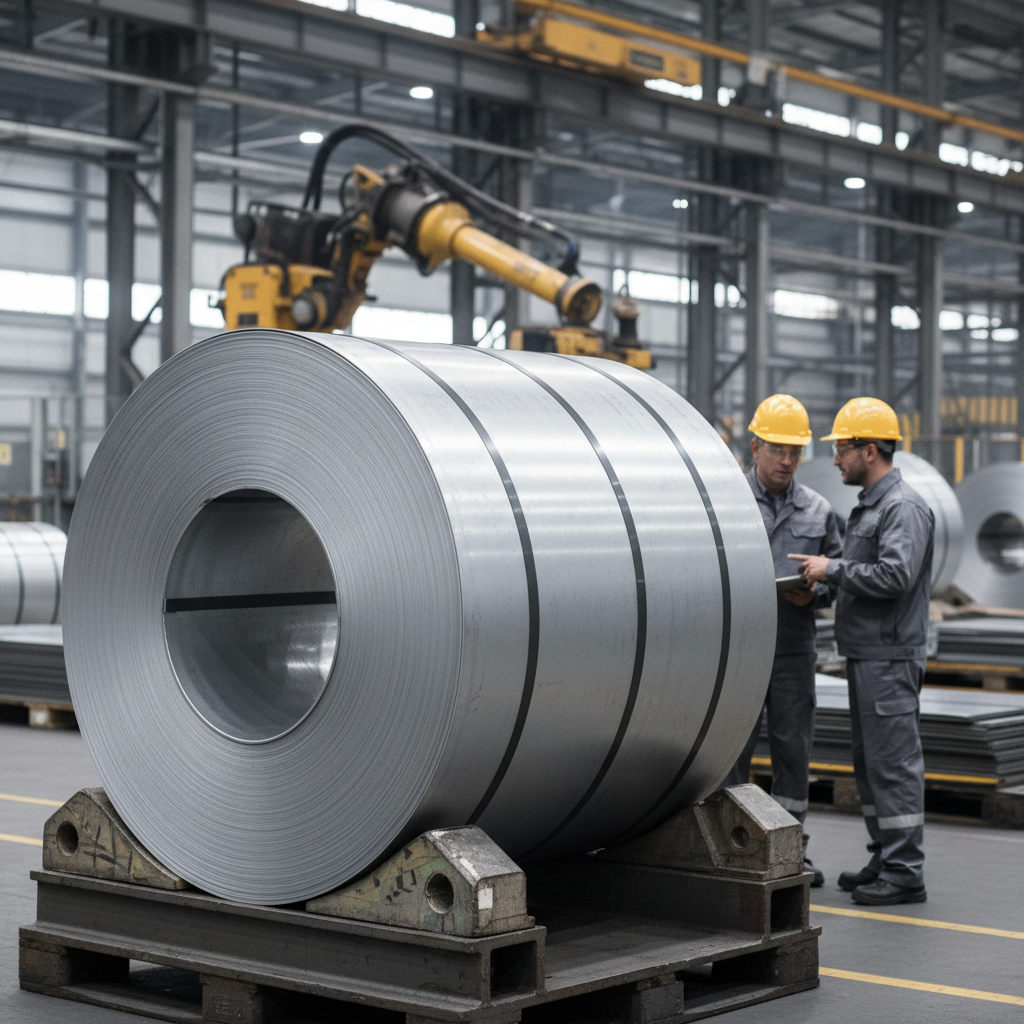
Pickled steel coil plays a crucial role in modern manufacturing industries, serving as a foundational material for a variety of applications. The pickling process involves the removal of rust, scale, and oxides from the surface of steel to enhance its quality. According to a recent report by the World Steel Association, over 80% of the steel produced globally is utilized in automotive, construction, and machinery sectors, where the quality of the surface is paramount. The treatment process not only improves the corrosion resistance of the steel but also prepares it for subsequent fabrication steps, ensuring a strong and consistent final product.
In manufacturing, pickled steel coils are preferred for their clean surface characteristics, which facilitate better welding, painting, and coating adhesion. As per the American Iron and Steel Institute, the demand for pickled steel coils is projected to rise by approximately 4% annually through 2025, driven by technological advancements and increased investments in infrastructure. This trend highlights the importance of high-quality raw materials in advancing production capabilities across industries, confirming that the adoption of pickled steel coils is essential for maintaining competitive advantage in modern manufacturing environments.
Pickled steel coil plays a crucial role in modern manufacturing industries, offering several key benefits that enhance production efficiency and product quality. One of the primary advantages of pickled steel coil is its superior surface finish. The pickling process removes rust and scale, resulting in a clean, smooth surface that is ideal for further processing, such as rolling or coating. This not only improves the aesthetic appeal of the final product but also enhances its performance and durability.
Another significant benefit is the improved adhesion of coatings and paints on pickled steel. The clean surface provides an ideal substrate for various finishing processes, ensuring optimal bonding and longevity of the coatings. This feature is particularly valuable in industries where corrosion resistance is critical, such as automotive and construction, leading to longer-lasting materials and reduced maintenance costs.
Tips: When choosing pickled steel coils, assess the specific requirements of your project, including the necessary thickness and width. Additionally, ensure you source materials from reputable suppliers to guarantee consistent quality and performance. Regularly evaluating your steel products can help identify any changes in quality that might affect your manufacturing processes.
The pickling process for steel coils is a critical operation that enhances the quality and performance of steel products in modern manufacturing. Unlike other steel treatment methods, such as galvanizing and painting, pickling specifically targets the removal of rust, scales, and contaminants from the steel surface. According to a report by the American Iron and Steel Institute (AISI), more than 70% of steel produced in the U.S. undergoes some form of surface treatment, emphasizing the importance of processes like pickling that prepare the steel for further processing and application.
Comparing pickled steel coils to other treatments highlights significant advantages. For instance, while galvanizing provides corrosion resistance through a zinc coating, it may not adequately remove all surface impurities, potentially affecting subsequent adhesion and performance. A study from the Steel Market Development Institute (SMDI) indicates that clean, pickled steel achieves up to 30% better adhesion for coatings when compared to galvanized steel. This data underscores the crucial role of acidic pickling solutions in ensuring that the steel surface is optimally prepared for coating or welding, leading to enhanced durability and product lifespan in various manufacturing applications.
When selecting Pickled Steel Coil Suppliers, manufacturers must consider several vital factors that can significantly impact their production processes. According to a report by the World Steel Association, the global demand for steel is expected to rise, indicating that sourcing high-quality pickled steel coils is crucial for operational efficiency. A reliable supplier will ensure that the coils meet industry standards, which typically require a minimum pickling rate of 98% to eliminate surface contaminants such as rust and scale. This ensures the durability and performance of the final product.
Additionally, lead times and inventory management are key considerations. A recent study conducted by McKinsey & Company highlights the importance of supply chain resilience, particularly in the face of fluctuating market demands. Suppliers that offer flexible shipping options and timely deliveries can help manufacturers avoid production downtimes. Furthermore, consistency in Coil Thickness and width, which should adhere to ASTM specifications, is critical for compatibility in various manufacturing applications. By carefully evaluating these factors, businesses can foster partnerships that not only support their immediate production needs but also contribute to long-term growth and innovation in the manufacturing sector.
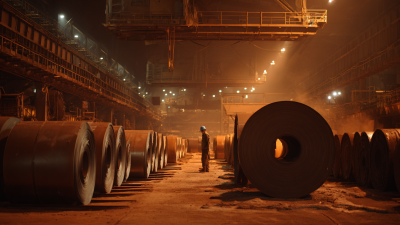
When it comes to the handling and storage of pickled steel coils, adhering to best practices is essential to maintain their quality and ensure safety in the manufacturing process. According to a report by the World Steel Association, improperly stored steel can lead to significant corrosion and degradation, resulting in a deterioration of mechanical properties. Factories should implement stringent environmental controls, such as maintaining optimal humidity levels below 50%, to prevent rust and oxidation during storage.
Moreover, handling practices play a crucial role in preserving the integrity of pickled steel coils. It is recommended to use soft slings or padding when lifting coils to avoid scratches and dents that can compromise the material's surface. A study published by the American Institute of Steel Construction highlights that proper handling techniques can reduce the risk of damage by up to 30%. Regular inspection and rotation of stock also prevent prolonged exposure to unfavorable conditions, thereby extending the lifetime of pickled steel coils and optimizing their usability in modern manufacturing applications.
The use of pickled steel coil is becoming increasingly critical in modern manufacturing industries, driven by the need for high-quality materials that enhance product performance and longevity. Industry reports indicate that the global market for pickled steel products is projected to grow at a compound annual growth rate (CAGR) of 5.7% from 2023 to 2030. This growth is largely attributed to the rising demand in sectors such as automotive, construction, and appliances, where the durability and finish of pickled steel coil provide significant advantages.
As manufacturers strive for greater efficiency and quality control, innovations in pickling processes and applications are paving the way for the future of steel coil usage. Advanced technologies such as automated pickling lines and environmentally friendly pickling solutions are emerging, allowing companies to reduce waste and improve surface quality. At Guangzhou Chengxin Metal Co., Ltd., we are committed to staying at the forefront of these trends by offering precision-engineered steel products that meet the evolving demands of our clients. Our strategic location in Guangzhou enables us to leverage cutting-edge manufacturing techniques, ensuring that we provide top-notch services and products to the South China market.
: The primary benefits include a superior surface finish that enhances production efficiency, improved adhesion of coatings and paints, and enhanced performance and durability of the final products.
The pickling process removes rust and scale, resulting in a clean, smooth surface that is ideal for further processing like rolling or coating.
A clean surface provides an optimal substrate for finishing processes, ensuring better bonding and longevity of coatings, which is critical for corrosion resistance in industries like automotive and construction.
It's essential to assess the specific requirements of the project, including necessary thickness and width, and to source materials from reputable suppliers to ensure consistent quality.
Factories should maintain optimal humidity levels below 50% to prevent corrosion and degradation, and implement regular inspections and rotation of stock to extend the lifetime of the coils.
It is recommended to use soft slings or padding during lifting to avoid scratches and dents that can compromise the material's surface, which can reduce the risk of damage significantly.
Stringent environmental controls, particularly maintaining low humidity levels, are crucial to prevent rust and oxidation, which could lead to deterioration.
Improper storage can lead to significant corrosion and degradation, resulting in a decline of the mechanical properties of the steel coils.
Regular inspections should be conducted to identify any changes in quality that might affect manufacturing processes, ensuring the coils maintain their usability.
Proper handling techniques can reduce the risk of damage by up to 30%, preserving the integrity and quality of the coils for better manufacturing outcomes.
Pickled Steel Coil plays a pivotal role in modern manufacturing industries, offering numerous advantages that enhance production efficiency and product quality. Understanding its basics reveals the importance of surface preparation through pickling, which removes oxides and contaminants, leading to improved adhesion of coatings and finishes. Furthermore, the comparison of Pickled Steel Coil with other steel treatment methods highlights its superior corrosion resistance and formability, making it a preferred choice for various industrial applications.
For companies like GUANGZHOU CHENGXIN METAL CO., LTD., specializing in precision-engineered steel products, selecting reliable suppliers of Pickled Steel Coil is essential to maintain quality standards. Best practices in storing and handling these coils are crucial to prevent damage and ensure optimal performance. As future trends emerge, innovations in the processing and application of Pickled Steel Coil promise to further revolutionize the manufacturing sector, enhancing both sustainability and efficiency.