You know, Industrial Steel is pretty much the backbone of modern construction. It’s super important for keeping buildings strong and safe. According to the World Steel Association, about half of all steel used globally goes into construction projects. That really shows just how vital industrial steel is when it comes to building all the infrastructure we rely on every day.
Nowadays, most construction projects need tough materials that can handle a lot of stress without giving out. High-quality industrial steel—like the stuff you get from industrial steel coil suppliers—makes sure everything stays durable and reliable. This is especially crucial in earthquake-prone areas, where buildings need to stand up to natural disasters. But, not all steel is created equal—sometimes, the quality can be inconsistent, which can lead to serious issues down the road.
And, of course, sustainability is becoming a bigger deal these days. The steel industry is working hard to cut down on the carbon footprint from production. Did you know that over 80% of structural steel is recycled today? As construction tech keeps improving, eco-friendly practices are shaping what the future of industrial steel looks like. Still, as demand grows, the industry faces some challenges—finding that sweet spot between availability and quality isn’t easy, and it’s something that needs ongoing attention.
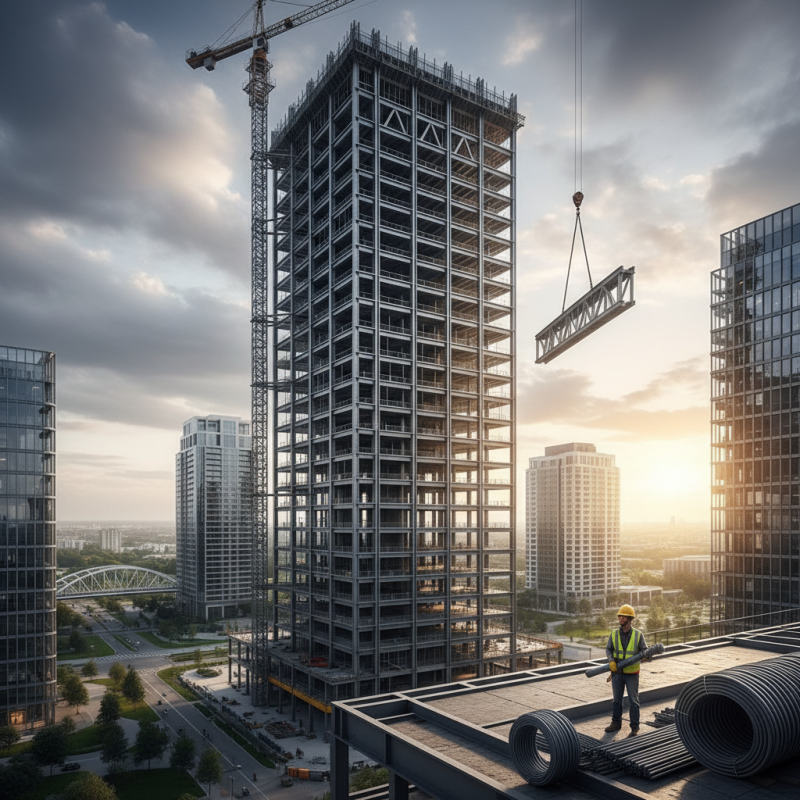
Industrial steel plays a critical role in modern construction. Its strength and durability ensure that structures can withstand various stresses over time. Buildings, bridges, and infrastructures rely on industrial steel to maintain structural integrity. Without it, the safety of these projects could be compromised.
However, it’s essential to understand the importance of quality. Using substandard steel can lead to unexpected failures. Buildings may develop cracks or even collapse. Regular inspections and adherence to safety standards are crucial in mitigating these risks. A comprehensive approach to selecting materials is vital.
Tips: Always consult with experts on material selection. Document inspection results meticulously. Choose steel that meets industry safety specifications. In moments of doubt, prioritize safety over cost. Remember, a sturdy foundation begins with quality materials. Analyzing past failures can provide valuable insights for future projects. Prioritize learning and improvement in material choices.
Steel is a fundamental material in modern construction. Its unique properties make it ideal for various applications. First, steel offers exceptional strength. Structures built with steel can withstand heavy loads and stress. This is crucial for tall buildings and bridges.
Another key property of industrial steel is its durability. Steel resists corrosion better than many materials. This characteristic ensures long-term performance, even in severe weather. However, it’s essential to consider the environment. Steel requires proper treatment and maintenance to prevent rust and deterioration.
Tips for using Industrial Steel Materials effectively include ensuring proper installation. Poorly installed steel can lead to costly repairs. Also, consider the design. Efficient use of steel can reduce waste. Lastly, always budget for maintenance. Regular inspections help extend the life of steel structures.
Global Steel production has reached unprecedented levels in recent years. In 2022, the world produced over 1.9 billion metric tons of steel. This figure highlights the essential role of steel in modern construction.Industrial steel solutions play a pivotal part in various applications, from high-rise buildings to bridges.
However, the steel industry faces challenges related to sustainability. Reports indicate that steel production accounts for around 7% of global carbon dioxide emissions. This reality prompts the need for innovative approaches to reduce environmental impacts. The industry is exploring alternative methods and technologies, such as electric arc furnaces, which can significantly lower emissions.
Interestingly, the demand for steel continues to rise, particularly in developing economies. Countries such as India and China are driving this surge. In fact, China's steel production represents over 50% of the global total. Yet, this rapid growth raises concerns about resource depletion. As we move forward, balancing production with environmental responsibility will be crucial. Finding efficient Industrial steel solutions will be key to meeting future demands while addressing climate change.
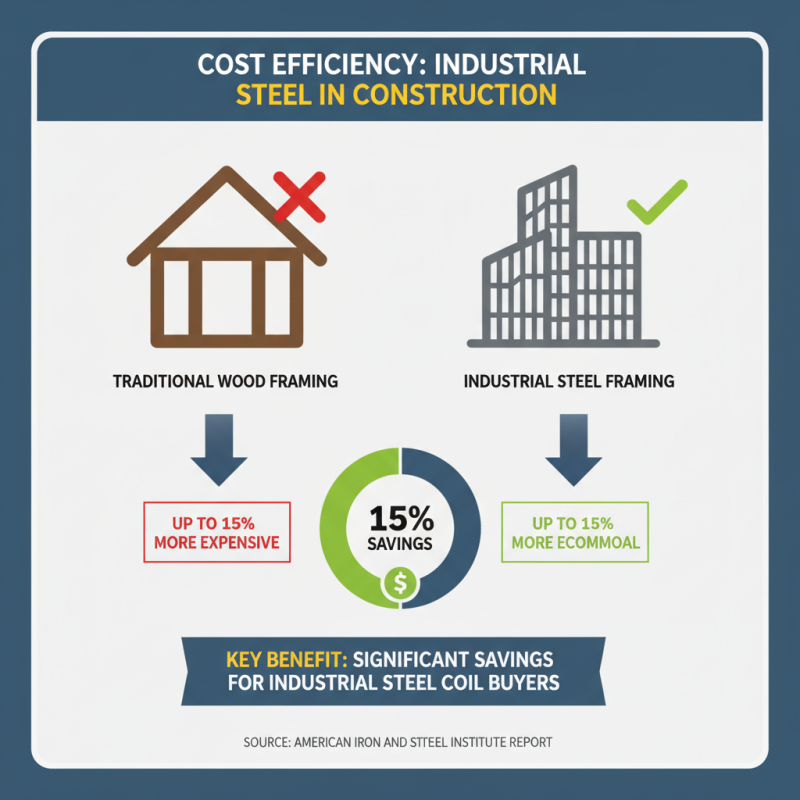
The use of industrial steel in construction has become increasingly popular due to its cost efficiency. According to a report by the American Iron and Steel Institute, steel framing can be up to 15% more economical than wood in certain projects. This finding highlights the significant savings that industrial steel coil buyers can expect when choosing steel over traditional materials.
Construction costs are also influenced by the speed of assembly. Steel structures can be erected faster, reducing labor costs. The National Institute of Standards and Technology states that a steel building can be completed up to 30% quicker than one made from concrete. However, not all projects benefit equally from this speed. Some builders might overlook the logistics and site-specific challenges that arise with steel.
Moreover, maintenance costs play a crucial role in long-term savings. Steel requires less upkeep compared to other materials, which can rust or deteriorate over time. A study from the Steel Construction Institute shows that the lifecycle cost of steel buildings is often lower than that of alternative materials. Still, project managers need to assess specific needs carefully. Not every structure will achieve the same cost benefits.
The shift towards sustainability is reshaping the steel manufacturing sector. More companies are embracing recycling practices. Steel can be recycled infinitely without losing its strength. This process reduces waste and conserves resources. Utilizing scrap metal is now a common practice.
Recycling steel helps to lower energy consumption. It takes significantly less energy to produce steel from recycled materials than from raw resources. This approach not only curbs greenhouse gas emissions but also fosters economic benefits. Companies can save money and appeal to eco-conscious consumers.
Tip: Always advocate for steel made from recycled content in construction projects. It’s a step toward a greener future.
However, challenges remain. Not all steel is sourced sustainably. Some processes still lead to pollution. It’s crucial to scrutinize where materials come from. Better transparency can improve industry practices.
Tip: Research the steel supply chain. Knowing the environmental impact can make a difference.
The journey toward sustainability in steel is ongoing. Each step in recycling and reducing emissions counts. Industry needs to keep evolving to meet modern construction demands while being responsible.
The role of Industrial Steel in construction has evolved significantly. Advancements in steel technologies have transformed the capabilities of builders and architects. Steel is now lighter, stronger, and more adaptable than ever. These innovations allow for taller buildings and more complex structures.
New manufacturing processes have increased efficiency and reduced waste. Techniques like hot-dip galvanizing enhance corrosion resistance. This prolongs the lifespan of structures, making them more sustainable. Industrial Steel Coils are now thinner yet robust. They can be molded into diverse shapes, expanding design possibilities. However, the dependency on steel raises questions about environmental impact.
Despite breakthroughs, challenges remain in sourcing raw materials. The carbon footprint of steel production is still a concern. As the industry pushes for sustainable practices, balance is crucial. Striking a harmony between progress and responsibility will define the future of construction.
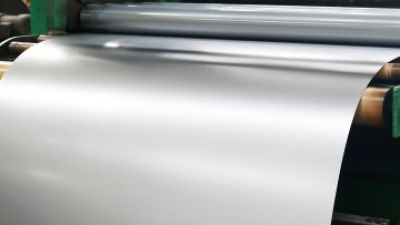
Cold-rolled steel coils have garnered significant attention in various industries, thanks to their superior surface quality and structural integrity. Among these, double Bright Finish coils stand out due to their exceptional aesthetic appeal and technical specifications. This finish is achieved through a meticulous two-stage polishing process that combines initial grinding with 600-grit abrasives, followed by electrochemical buffering. Such precision in finishing produces a mirror-like surface with a roughness average (Ra) of ≤0.3 µm and a distinct optical quality (DOI) greater than or equal to 95, making these coils ideal for applications requiring a high level of reflectivity and smoothness.
The double bright finish not only meets but exceeds the standards outlined in EN 10130 for DC04-DC06 specifications, ensuring that the processed steel coils are suitable for demanding environments where aesthetic and performance characteristics are critical. This finishing process effectively eliminates peak-to-valley heights greater than 0.1 µm, which is crucial for luxury reflective applications such as automotive interiors, architectural elements, and high-end consumer products. As businesses continue to seek materials that blend functionality with visual appeal, the contributions of double bright finish cold-rolled steel coils are set to play an increasingly pivotal role in product design and manufacturing.
: Start by resting and staying hydrated. Monitor your symptoms closely. Seek medical advice if they worsen.
Focus on whole foods. Include fruits, vegetables, and lean proteins. Avoid excessive sugar and processed foods.
Regular exercise can aid weight loss. It also helps improve overall health and mood. Aim for consistency.
Deep breathing, meditation, and yoga can be effective. Find a quiet space to practice daily.
Establish a sleep routine. Limit screen time before bed. Create a comfortable and dark sleeping environment.
Think about the potential impacts on your life. Discuss with trusted friends or family. Reflect on your feelings.
Industrial Steel plays a crucial role in modern construction, primarily due to its inherent properties that provide structural integrity and meet safety standards. Its high strength-to-weight ratio, flexibility, and durability make it a preferred material for a variety of construction applications. Additionally, global steel production statistics highlight the significant impact of Industrial Steel on the construction industry, including its cost efficiency compared to alternative building materials.
Furthermore, the trend towards sustainability and recycling in the steel manufacturing sector is paving the way for more environmentally friendly construction practices. Recent advancements in steel technologies are also enhancing its capabilities, leading to innovative construction techniques and improved performance. Overall, Industrial Steel remains an essential component of contemporary construction, supporting safety, efficiency, and sustainability goals.