Leave Your Message
0%

You know, Metal Square Tubing has really become a go-to in modern building and design these days. It’s pretty amazing how much it helps keep structures solid across all kinds of projects. Its distinctive square shape isn’t just for looks — it actually boosts strength while keeping the weight manageable. That makes it a favorite for both homes and commercial spaces. And honestly, its versatility is pretty impressive — it opens up tons of creative possibilities for architects and designers, without sacrificing safety or durability.

In a world where looks and practicality need to go hand in hand, metal square tubing kind of acts like the perfect middle ground. Whether it’s holding up a building’s framework, tucked inside furniture, or part of complex architectural details, its sturdy features are key for making sure everything stays stable and lasts a long time. So, in this article, we’re gonna dig into why metal square tubing is such a must-have in today’s construction scene. We’ll look at the benefits and how it really shapes the overall design and strength of projects.
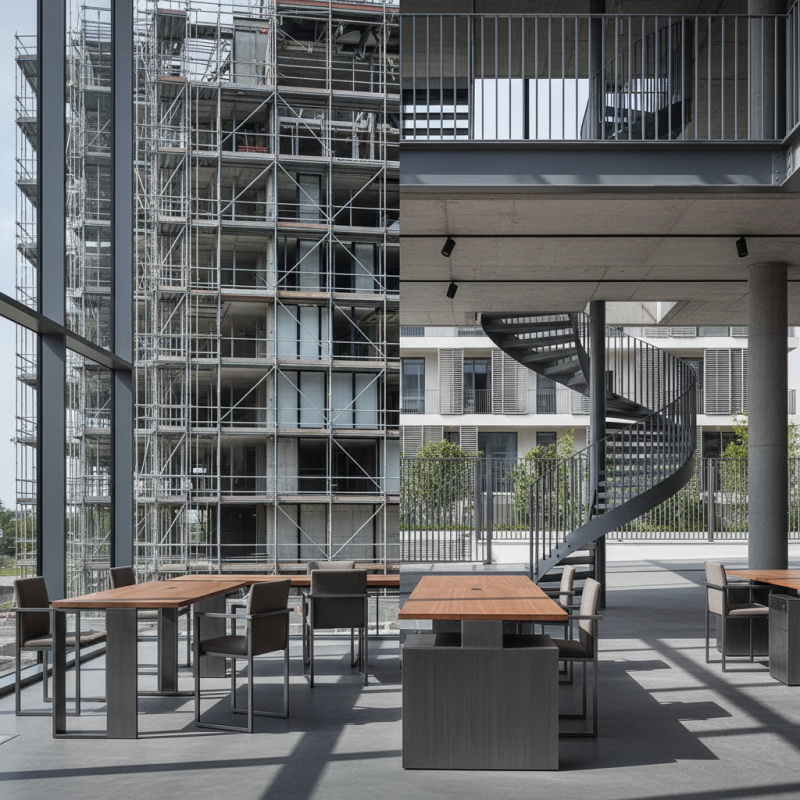
Why Metal Square Tubing is Essential for Structural Integrity and Design

Understanding Metal Square Tubing and Its Unique Properties

Metal square tubing is a versatile and robust material that plays a crucial role in both structural integrity and design across various industries. With its uniform shape and strength, metal square tubing is particularly advantageous in applications requiring enhanced load-bearing capabilities. According to a report by the American Institute of Steel Construction, metal square tubing exhibits higher resistance to bending and torsion compared to other structural shapes, making it an ideal choice for construction frameworks, automotive components, and industrial equipment.

One of the defining properties of metal square tubing is its ability to provide consistent structural support while minimizing the weight of the overall assembly. This is particularly important in sectors where both strength and weight efficiency are vital. Furthermore, the corrosion resistance provided by materials like galvanized steel adds to the longevity and reliability of metal square tubing, reducing maintenance costs over time. Industry research indicates that projects utilizing pre-fabricated metal tubing can achieve up to a 30% savings in assembly time, a factor worth considering for project timelines and budgets.

Tips: When selecting metal square tubing for a project, consider the specific load requirements and environmental conditions it will face. Additionally, always check the material thickness as it can significantly affect overall strength and durability. Make sure to collaborate with structural engineers to determine the best specifications to ensure both safety and effectiveness in your design.

The Role of Metal Square Tubing in Structural Integrity

Metal square tubing plays a pivotal role in maintaining structural integrity across various construction and engineering applications. With its uniform shape and high strength-to-weight ratio, this material is favored for frameworks, supports, and load-bearing elements. According to a report by the American Institute of Steel Construction, structural steel shapes, including square tubing, possess remarkable load-bearing capacities that enhance the stability and safety of buildings and infrastructure. For instance, the use of steel square tubes in high-rise buildings can significantly reduce the overall weight of the structure while providing the necessary support against environmental forces.


Moreover, the versatility of metal square tubing allows for innovative design solutions that conform to both aesthetic and functional requirements in construction. The design flexibility it offers has been backed by studies from the Metal Construction Association, indicating that structures utilizing metal tubing can achieve longer spans and intricate shapes without compromising strength. This adaptability not only permits creative architectural designs but also ensures that the structural integrity is upheld throughout the lifespan of the building, making metal square tubing indispensable in modern engineering practices.

Design Advantages of Metal Square Tubing in Construction

Metal square tubing is increasingly becoming a popular choice in construction due to its structural advantages and versatility. One significant benefit is its uniformity and strength-to-weight ratio. According to a report by the American Institute of Steel Construction, metal square tubing maintains high structural integrity while being lightweight, which allows for easier handling and reduced transportation costs. Its exceptional strength allows for longer spans between supports, creating more open spaces and enhancing architectural design.

Another design advantage is the ease of fabrication and adaptability this type of tubing offers. Metal square tubing can be easily cut, welded, and customized to fit various construction needs, making it ideal for both complex and simple designs. A study from the National Steel Construction Conference noted that projects utilizing metal square tubing reported a 30% increase in construction speed due to these fabrication benefits. This adaptability promotes innovative design solutions while maintaining consistent quality across projects.

Tips: When selecting metal square tubing for your project, consider the weight and load requirements specific to your design. Utilizing software for load calculations can help ensure that your structure meets safety standards while optimizing material usage. Additionally, collaborating with a design engineer can help align your aesthetic goals with the mechanical advantages offered by metal square tubing.

Design Advantages of Metal Square Tubing in Construction

This bar chart illustrates the structural benefits of using metal square tubing in construction projects based on various performance metrics.

Applications of Metal Square Tubing in Various Industries

Metal square tubing plays a pivotal role across various industries due to its robust properties and versatile applications. In construction, it is commonly used for framing and structural support because of its strength and resistance to bending or breaking under weight. Additionally, metal square tubing is often employed in the manufacturing of scaffolding systems, enabling workers to safely complete projects at heights. Its uniform shape allows for easy modular assembly, making it ideal for rapid construction and design adaptability.

In the automotive industry, metal square tubing finds its application in the production of vehicle frames and chassis components. Its durability contributes to the overall safety and integrity of vehicles while allowing for lightweight designs that improve fuel efficiency. Furthermore, in the furniture industry, designers utilize metal square tubing to create modern and industrial-style furniture pieces that require both strength and aesthetic appeal. The clean lines and geometric shapes of square tubing complement a range of design themes, making it a popular choice among manufacturers and consumers alike.

Comparison of Metal Square Tubing with Other Structural Options

When comparing metal square tubing to other structural options, several key factors come into play, notably strength, versatility, and ease of fabrication. Metal square tubing is known for its excellent load-bearing capabilities due to its uniform shape and thickness, which allows it to withstand significant stress without deforming. This makes it a preferred choice for various applications, including industrial frameworks, residential constructions, and outdoor structures. In contrast, round or rectangular tubes may provide similar load-bearing capacities, but their design can limit their structural integrity in specific orientations, making square tubing often superior for applications requiring consistent performance.

Another point of comparison lies in the versatility of metal square tubing. Unlike other materials like wood or plastic, metal offers a higher resistance to environmental factors, such as fire and pests, ensuring longevity and stability. This robustness allows for more creative and innovative design options, as architects and engineers can rely on the predictability of metal square tubing to achieve intricate designs without sacrificing strength. Moreover, the ease of cutting and welding metal square tubing allows for quick assembly and modifications, giving it an edge over other materials that might require more complex joining techniques or specialized skills for installation.

Factors to Consider When Choosing Metal Square Tubing

When choosing metal square tubing for structural applications, several key factors should be considered to ensure optimal performance and durability. First, the material's tensile strength is crucial; materials such as steel and aluminum provide varying levels of strength, making them suitable for different loads. The weight capacity and the intended use of the structure should guide the selection process, ensuring that the tubing can withstand stress without compromising safety.

Additionally, corrosion resistance is another important factor. Environments exposed to moisture or harsh chemicals require metals that can resist corrosion over time to maintain structural integrity. Choosing the right finish or coating can enhance the longevity of the tubing. Another aspect to consider is the dimensions of the tubing, including wall thickness and square size, as these will affect not only the overall strength but also the aesthetic appeal of the final design. By carefully evaluating these considerations, one can ensure that the chosen metal square tubing meets both functional and design requirements.

Future Trends in Metal Square Tubing Design and Usage

Why Metal Square Tubing is Essential for Structural Integrity and Design

In recent years, the design and usage of metal square tubing have evolved significantly, driven by advancements in materials technology and innovative engineering practices. One notable trend is the increasing adoption of lighter-weight alloys and high-strength materials, which allow for more efficient design without compromising structural integrity. These materials enhance the performance of metal square tubing in various applications, from construction to automotive engineering, providing a blend of strength and ease of handling. As industries continue to prioritize sustainability, the ability to recycle and repurpose metal square tubing has become increasingly important, promoting an eco-friendly approach to structural design.

Another emerging trend is the integration of smart technology within metal square tubing applications. With the advent of IoT (Internet of Things), sensors can be embedded within the tubing to monitor structural performance in real-time. This capability allows for proactive maintenance and enhances safety by detecting stress or potential failure points early on. Furthermore, the design processes are becoming increasingly digital, with the use of advanced software for simulations and 3D modeling leading to more precise and optimized tubing configurations. These innovations suggest a future where metal square tubing not only serves traditional structural roles but also incorporates intelligent features that adapt to changing conditions and enhance overall design efficiency.

FAQS

: What are the main advantages of using metal square tubing in construction?

: Metal square tubing offers significant structural advantages such as a strong yet lightweight design, allowing for easier handling and reduced transportation costs. It maintains high structural integrity and allows for longer spans between supports, creating more open spaces in architectural designs.

How does metal square tubing contribute to construction speed?

Metal square tubing can be easily fabricated, cut, and welded, enhancing adaptability for various construction needs. This ease of fabrication has been associated with a reported 30% increase in construction speed in projects that utilize metal square tubing.

What should be considered when selecting metal square tubing for a project?

When selecting metal square tubing, consider the specific weight and load requirements for your design. Utilizing load calculation software can help ensure safety standards are met while optimizing material usage.

How does metal square tubing compare to other structural options in terms of strength?

Metal square tubing is known for its excellent load-bearing capabilities due to its uniform shape and thickness, which allows it to withstand significant stress. This structural integrity often makes it superior to round or rectangular tubes for applications requiring consistent performance.

What are the environmental benefits of using metal square tubing?

Metal square tubing is more resistant to environmental factors, such as fire and pests, ensuring longevity and stability. Its recyclability promotes sustainable practices in construction, making it an eco-friendly material choice.

What future trends are emerging in the design and usage of metal square tubing?

Future trends include the adoption of lighter-weight alloys and high-strength materials, the integration of smart technology for real-time performance monitoring, and the use of advanced software for precise design and modeling, leading to improved design efficiency and adaptability.

How does the adaptability of metal square tubing influence design possibilities?

The ease of cutting and welding metal square tubing allows for quick assembly and modifications, facilitating more creative and innovative design options. Architects and engineers can achieve intricate designs without compromising structural strength.

What role does technology play in the future of metal square tubing?

Emerging technologies, such as IoT, allow sensors to be embedded in metal square tubing to monitor performance in real-time. This capability leads to proactive maintenance and enhances safety by detecting potential issues early.

Why is metal better than wood or plastic in construction?

Metal square tubing offers higher resistance to environmental factors compared to wood or plastic, ensuring better longevity and stability. Its predictable performance allows for more intricate and innovative designs.

In what applications is metal square tubing commonly used?

Metal square tubing is commonly used in various applications including industrial frameworks, residential constructions, and outdoor structures, due to its excellent load-bearing capabilities and design flexibility.

Conclusion

Metal square tubing is a crucial component in construction and structural design due to its unique properties, including high strength-to-weight ratio and versatility. This structural option plays a significant role in ensuring the integrity of various designs, providing reliable support and stability. In addition to its structural attributes, metal square tubing offers design advantages such as ease of fabrication and aesthetic appeal, making it a popular choice across multiple industries.

When comparing metal square tubing with other structural materials, its benefits become even more evident, particularly in terms of cost-effectiveness and durability. Factors to consider when selecting metal square tubing include load requirements, environmental conditions, and dimensions, all of which can impact overall performance. As industries continue to evolve, future trends suggest innovative applications and advancements in metal square tubing design, paving the way for enhanced efficiency and functionality in construction projects.

Sophie

Sophie

Sophie is a dedicated marketing professional at Guangzhou Chengxin Metal Co., Ltd., a premier steel processing and distribution service provider established in 2018 in the bustling coastal city of Guangzhou. With a deep expertise in precision-engineered steel products, she plays a vital role in......
Previous 7 Compelling Reasons Why Best Metal Square Tubing is a Game Changer for Global Procurement