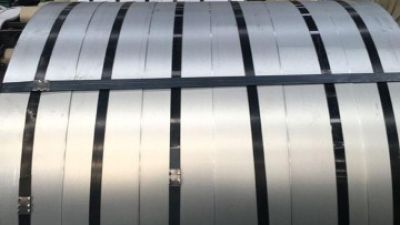
When it comes to global procurement, especially in such a specialized field, sourcing Pickled Steel can be quite the puzzle. I mean, John Davis from Steel Insights, who's pretty much an expert in steel processing, once said, "Getting a grip on the ins and outs of Pickled Steel can really make or break your supply chain." That really hits home, right? It shows just how complex things can get for procurement pros these days.
Pickled Steel, especially something like ASTM A1008 pickled steel, has been in high demand across all sorts of industries. Whether it’s for cars or construction projects, this stuff is pretty much everywhere. Companies are craving consistent, reliable quality, but let’s be honest—that market can be quite unpredictable.
It's all about building solid relationships with suppliers. But even the most experienced folks sometimes find themselves in a bit of a maze, trying to navigate all the uncertainties. Making sure that your suppliers stay reliable over the long run? Not always a cakewalk. Market swings, regional rules, and different quality standards just add more layers of complexity. As businesses aim for top-notch quality, it’s really important to rethink how we approach sourcing—because that plan can make all the difference down the line.
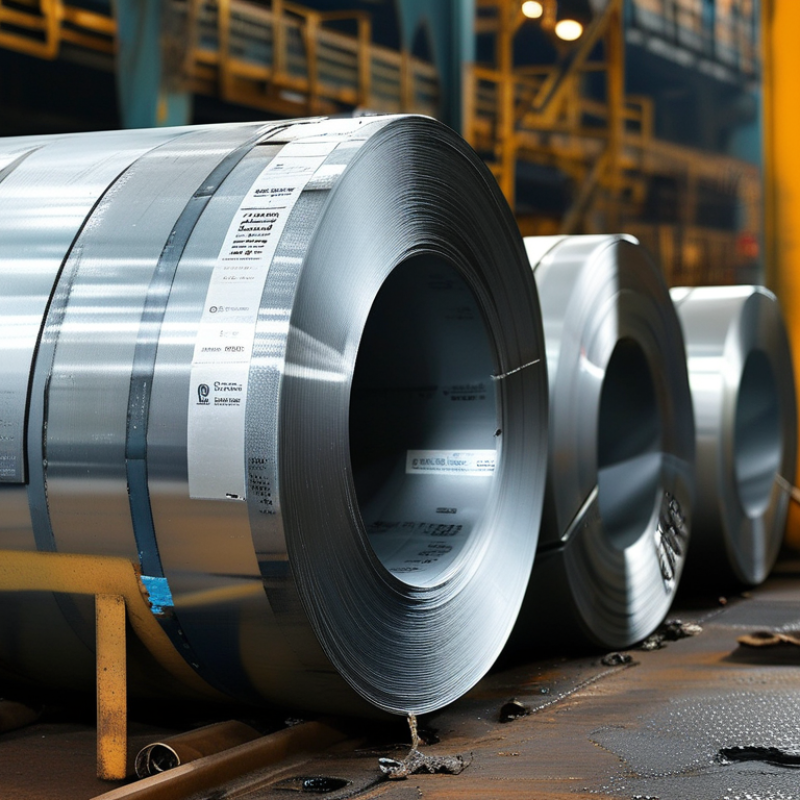
Understanding Pickled Steel and Its Global Significance
Pickled steel is a critical material in the global manufacturing landscape. It undergoes a treatment process that eliminates rust and scale, improving surface quality. This makes it ideal for further processing in various industries, including automotive and construction. According to market research, the demand for pickled steel is expected to grow by 3% annually through 2025, driven by expanding end-user markets.
The procurement of pickled steel relies heavily on reliable suppliers. These suppliers contribute significantly to the supply chain by ensuring consistent quality. However, finding reputable pickled steel suppliers can be challenging. Companies must analyze supplier certifications and process standards. Reports indicate that approximately 25% of procurement managers face difficulties in establishing dependable partnerships. Future inspections may reveal inconsistencies, highlighting the need for diligent assessments.
In addition, the geographic distribution of pickled steel suppliers adds complexity. Regions with dense industrial activity often have a higher concentration of suppliers. However, fluctuation in production capacities can impact availability. Information from industry analytics shows that Europe and Asia account for nearly 70% of global pickled steel production. This imbalance poses questions about sustainability and resource allocation. Companies may need to rethink their sourcing strategies to navigate these challenges effectively.
Key Factors Influencing the Procurement of Pickled Steel
When sourcing pickled steel, several key factors come into play. Understanding these elements can drastically influence procurement decisions. The global pickled steel market size was valued at approximately $35 billion in 2022, with a projected growth rate of 4% annually. This growth indicates rising demand from sectors like automotive and construction, where pickled steel plays a critical role.
Suppliers' reliability is crucial. A dependable Pickled Steel Coil Supplier can ensure consistent quality and timely delivery. Industry reports suggest that steel quality fluctuations can lead to production delays. Background checks on supplier certifications can uncover potential risks. Often, new suppliers promise low prices but may compromise quality.
Additionally, understanding raw material sourcing is essential. The availability of high-grade raw materials impacts production quality. Reports show that regions with substantial iron ore deposits see better pricing stability. Environmental sustainability practices among suppliers also matter. Clients are increasingly focusing on eco-friendly sourcing. This trend means that future procurement partnerships might prioritize green certifications.
Tip: Whenever considering a new supplier, examine their track record. Previous customer reviews can provide insights into their reliability. Another tip is to assess their production capabilities against your projected needs.
Identifying Reliable Suppliers for Pickled Steel Globally
Sourcing pickled steel requires a strategic approach to identify reliable suppliers worldwide. The quality of this product is critical for various applications, especially in the manufacturing industry. Establishing trust and maintaining consistent quality throughout the supply chain is essential.
One effective tip is to research suppliers extensively. Look for companies with established reputations and positive customer feedback. Use platforms that specialize in metal sourcing. These platforms can provide insights into suppliers' histories and performance metrics.
Another important aspect is visiting suppliers when possible. Face-to-face interactions can help build relationships that are essential for a successful partnership. During these visits, assess their facilities and quality control processes closely. It is crucial to understand their capabilities and production standards.
Consider joining industry associations or forums focused on pickled steel. These networks can offer invaluable information and help you connect with reputable suppliers. Engaging with other industry professionals can sometimes lead to referrals that may not be publicly listed. Trust your network and validate any recommendations through thorough due diligence. The quality assurance in sourcing pickled steel shouldn’t be underestimated; it impacts the entire downstream process.
Evaluating Quality Standards and Specifications for Pickled Steel
When sourcing pickled steel, quality standards and specifications are crucial. It is vital to understand the composition and treatment processes that determine quality. Typically, pickled steel should have a clean surface, free from scale and oxidation. These attributes ensure improved performance in downstream applications.
Different industries have specific requirements. For example, automotive industries demand precise thickness tolerances. Construction sectors might prioritize corrosion resistance. Working closely with suppliers is key. It's essential to establish clear quality metrics and inspect samples before committing to bulk orders. Evaluate documentation rigorously, including mill certificates and quality assurance reports.
Navigating quality factors can be complex. Miscommunication can lead to incompatible materials, impacting production schedules. Regular audits and testing can mitigate these risks. Establishing partnerships with reliable suppliers enhances trust and ensures consistent quality. Ultimately, recognizing the importance of quality standards contributes to successful procurement strategies for pickled steel.
Navigating Import Regulations and Compliance Requirements
When sourcing pickled steel for global procurement, understanding import regulations is essential. Import regulations can vary significantly between countries. Each nation has its own specific requirements. Compliance is not just a checkbox. It involves a thorough examination of the steel’s specifications. Documentation must meet stringent criteria.
Before importing, ensure you are familiar with the documentation needed. This may include invoices, certifications, and customs declarations. Failing to adhere to these can lead to delays or penalties. It is crucial to consult with experts in international trade. Their insights can prevent costly mistakes.
Navigating compliance requirements can be complex. Legal frameworks change, and staying updated is vital. Being proactive helps in avoiding potential issues. Engaging with local authorities can provide clarity on regulations. Building strong relationships with customs brokers is another step. They can offer guidance tailored to your procurement goals. Ultimately, diligent research and preparation will pay off.
Negotiating Contracts and Pricing Strategies for Pickled Steel
Negotiating contracts and pricing strategies for Pickled Steel requires a deep understanding of market dynamics. According to the latest industry report, demand for pickled steel is projected to grow by 4.5% annually. This growth indicates increasing opportunities, but it also emphasizes the need for careful negotiation. Buyers must recognize fluctuations in raw material costs that can affect total pricing.
One key strategy involves leveraging long-term contracts. Committing to suppliers for extended periods can lead to stability in pricing, especially when the market is volatile. However, it's essential to remain flexible. Many buyers overlook the importance of exit clauses, which can protect against unfavorable market shifts.
Additionally, understanding local versus global pricing can significantly impact negotiations. The price of pickled steel differs among regions due to transport costs and tariffs. Buyers should conduct thorough market research to gather data and benchmark pricing against local and global standards. This information can empower buyers during negotiations, helping them secure better deals while establishing a reliable supply chain.
Logistics and Supply Chain Considerations for Global Shipping
When sourcing Pickled Steel Coil for global procurement, logistics play a crucial role. Selecting reliable shipping partners is key. Transportation costs can fluctuate based on distance and urgency. Understanding these variables helps to manage expenses effectively.
Customs regulations can be a hurdle. Different countries have varying import regulations for steel products. Documentation must be impeccable to avoid delays. Miscommunication can lead to complications and additional costs, which nobody wants.
Warehousing strategies should also be considered. Proper storage solutions can minimize rust and corrosion. Maintaining quality is essential, but it requires careful planning. Each step in the supply chain needs consistent monitoring. Regular evaluations of processes can reveal areas for improvement. These insights guide better decision-making in sourcing.
Innovative Applications and Advantages of Corrosion-Resistant Cold-Hardened Steel Coils in Modern Industry
The innovative applications and advantages of corrosion-resistant cold-hardened Steel Coils represent a significant advancement in modern industry. Produced through an intensive cold reduction process with a draft ranging from 50% to 95% on Sendzimir mills, these steel coils display ultra-fine grain sizes, characterized by ASTM 10–12 standards. This precision manufacturing process involves severe plastic deformation, which enhances the strain-hardening mechanism. As a result, the tensile strength of these coils can reach up to 1,200 MPa, providing a robust solution for industries that require high mechanical performance.
In addition to impressive strength, the elongation rates remain competitive, averaging between 3% to 8%. This balance of strength and ductility makes cold-hardened steel coils ideal for applications where resilience and flexibility are crucial. The proprietary annealing cycles conducted within a controlled atmosphere of hydrogen and nitrogen at temperatures between 650°C and 750°C further stabilize the microstructure. This meticulous process ensures that the hardness levels range between HRB 70 to 100, with a tolerance of ±2 HRB, allowing for consistent and reliable performance across various industrial applications.
The versatility of these corrosion-resistant coils is particularly evident in sectors such as automotive, aerospace, and construction, where durability is paramount. As industries continue to push the boundaries of material science, the adoption of advanced cold-hardened steel coils will undoubtedly contribute to greater efficiencies and enhanced product lifespans.
FAQS
: Several key factors include supplier reliability, raw material quality, and environmental practices.
Reliable suppliers ensure consistent quality and timely delivery, which prevents production delays.
Research their track record and look for previous customer reviews for insights on performance.
High-grade raw materials are essential for superior production quality and pricing stability.
Yes, many clients prioritize eco-friendly sourcing, making green certifications important.
Face-to-face interactions can help build trust and allow for close assessment of their facilities.
Use specialized platforms for metal sourcing to find suppliers with solid reputations and histories.
Yes, these networks offer valuable information and can lead to referrals for reputable suppliers.
New suppliers may offer lower prices but can compromise on product quality, which is risky.
Sustainability may become a priority, with future partnerships focusing more on eco-friendly practices and certifications.
Conclusion
The article "How to Source Pickled Steel for Global Procurement Needs?" explores the essential aspects of procuring pickled steel on an international scale. It begins by defining pickled steel and its importance in various industries, highlighting the key factors that influence its procurement process, including demand fluctuation and market dynamics. The article emphasizes the importance of identifying reliable suppliers globally, ensuring that they meet high-quality standards and specific industry specifications.
Furthermore, it addresses the complexities involved in navigating import regulations and compliance requirements to facilitate a smooth procurement process. Negotiating contracts effectively and establishing competitive pricing strategies are also discussed as critical steps for businesses. Lastly, the article highlights logistics and supply chain considerations crucial for the timely and efficient shipping of pickled steel, ultimately guiding organizations to optimize their sourcing strategies in the global market.