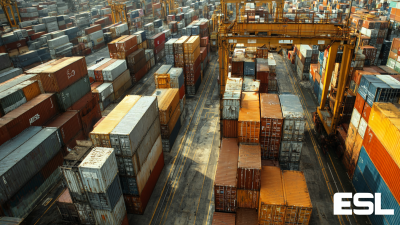
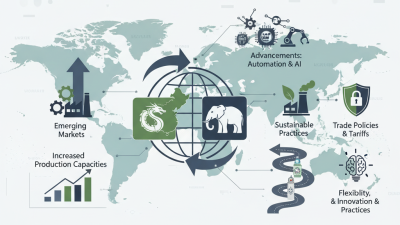
You know, global sourcing is really getting reshaped by the latest trends in the steel world. If your business depends on Steel Export, it’s pretty important to keep up with these shifts. Big players like China, India, and Japan are pretty much leading the charge, and when their markets fluctuate, it can really shake up prices and how much steel is available. Along the way, export volumes have seen some shifts — mostly because of changing demand and tariffs, you know?
Staying in the loop about these Steel Export trends? Super helpful. It lets companies make smarter buying decisions and avoid surprises. For example, having flexible sourcing strategies can really help dodge supply chain hiccups. But hey, not everyone’s been equally lucky — some suppliers have been hit harder than others, and that’s caused some uneven market conditions.
Plus, the whole geopolitical scene? It’s a big deal. Trade deals and policy tweaks can introduce a lot of uncertainty, which affects both buyers and sellers. So, it’s smart for companies to think carefully about how they choose their sources and stay ready to adapt to all this global chaos. Honestly, in this tricky landscape, knowledge really is power. Being proactive can make all the difference when it comes to succeeding in steel export — don’t get caught off guard!
Current Global Steel Market Overview
The current Global Steel market is shaped by several dynamics. Demand has surged in infrastructure projects across developing countries. These nations require substantial steel for construction and industrial growth. However, the rising costs of raw materials impact prices. Fluctuations can lead to unpredictability in sourcing.
Major exporters have adjusted strategies to remain competitive. Countries with advanced production techniques are enhancing efficiency. Yet, environmental regulations are generating challenges for many producers. Companies must balance sustainability with competitiveness. Economic conditions also play a role, as trade policies can affect supply chains.
Logistics remain a critical area of focus. Shipping costs and delays can disrupt timely deliveries. Businesses need to evaluate their sourcing networks. A thorough assessment of potential suppliers is crucial for maintaining reliability. Engaging with local markets can mitigate some risks but requires careful consideration. Understanding these trends can help buyers navigate the complexities of the steel market.
Top Steel Export Trends You Need to Know for Global Sourcing
| Country | Export Volume (Million Metric Tons) | Export Value (Billion USD) | Main Export Destinations |
| China | 70 | 50 | Japan, South Korea, USA |
| India | 30 | 25 | USA, UAE, Nepal |
| Japan | 25 | 20 | USA, China, South Korea |
| Russia | 20 | 15 | China, Turkey, Netherlands |
| South Korea | 15 | 12 | USA, China, Southeast Asia |
Key Players in the International Steel Export Industry
The global steel export market is shaped by several key players. Countries like China, India, and Japan stand out as dominant exporters. Their steel production capabilities are vast, fueled by advanced technology and significant investment. This has enabled them to maintain competitive pricing in international markets.
However, the landscape is ever-evolving. Emerging markets in Southeast Asia are increasing their output. Nations like Vietnam and Indonesia are becoming notable players. They face challenges such as insufficient infrastructure and rising production costs. Yet, their potential for growth is considerable, making them worthy of attention.
Diversification in sourcing is crucial. Buyers must navigate the complexities of tariffs and regulations affecting international trade. As the market shifts, reliance on a single country may be risky. Exploring multiple suppliers can mitigate this risk. It's vital to stay informed about these trends, ensuring sound decisions in global sourcing.
Major Trends Influencing Steel Export Dynamics
The global steel export landscape is changing rapidly. Demand dynamics are influenced by evolving economic factors, technology, and environmental concerns. In 2022, global steel exports reached 1.8 billion metric tons, with Asia contributing over 60% of the total. The ongoing focus on sustainability is pushing countries to reduce carbon footprints. A report from the World Steel Association highlights that demand for green steel is set to increase by 25% by 2030.
Trade policies are another significant factor shaping steel exports. Countries are implementing tariffs and trade agreements that impact pricing and availability. These measures can create uncertainty for buyers. Data from a recent market analysis shows that specific regions have seen price fluctuations of up to 15% within short periods. Thus, understanding local regulations becomes crucial for effective sourcing.
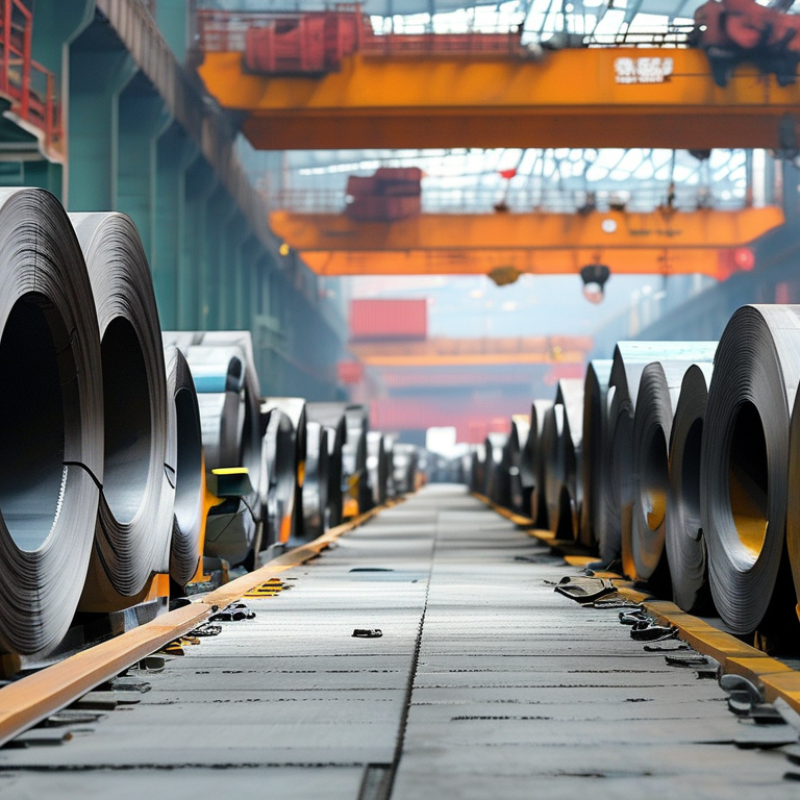
Consider how different countries approach steel production. Some prioritize traditional methods while others invest heavily in innovative practices. Buyers should weigh these aspects when choosing suppliers of Export-Quality Steel Coils. They could end up with more sustainable options or cost-efficient solutions depending on their sourcing strategy. Keeping informed about these trends will empower businesses to make better decisions in a competitive steel market.
Regional Analysis of Top Steel Exporting Countries
Global sourcing for steel has become increasingly complex. Understanding the regional dynamics of top steel exporting countries is essential. Countries like China, India, and Japan dominate the export landscape. Each of these nations offers different advantages in terms of production capacity and cost.
China leads the way, producing vast quantities of hot-rolled steel coil export. However, this focus on large-scale production has raised concerns about quality and environmental issues. India is emerging as a strong player, with advancements in technology and sustainable practices. Their growing infrastructure needs create additional demand for steel exports. Japan maintains a reputation for high-quality steel, though it faces stiff competition.
For businesses engaged in global sourcing, it is crucial to stay informed about regional trends. Monitor exchange rates and tariff changes, as these can impact pricing significantly. Connect with local suppliers to gain insights into specific markets. Look out for innovations in production methods that may enhance quality. Remember, sourcing strategies should be flexible, as market dynamics can shift unexpectedly. Strengthening your supply chain with diverse sources can mitigate risks in a volatile environment.
Top Steel Export Trends You Need to Know for Global Sourcing
This chart illustrates the steel export volume (in million metric tons) from the top steel exporting countries in 2022. It highlights the significant share of global steel exports and helps in understanding regional dynamics.
Impact of Trade Policies on Steel Export Trends
Trade policies significantly shape steel export trends worldwide. Tariffs and restrictions can alter the dynamics of supply and demand. Countries impose these measures to protect local industries. Consequently, exporters must adapt strategies to ensure competitiveness.
Recent shifts in global trade agreements have also impacted steel sourcing. More markets are becoming interconnected, leading to fluctuations in pricing and availability. For instance, environmental regulations are now influencing the production processes across regions. Importing countries may prioritize sustainable suppliers, affecting traditional sourcing methods.
The growing importance of "steel coil wholesale" reflects these changes. As businesses seek reliable suppliers, they face challenges in navigating new regulations. Companies must analyze market conditions continuously. They should invest in developing relationships with reliable partners. This approach enables adaptation to the evolving landscape of steel exports.
Sustainability Initiatives in Steel Production and Export
Sustainability is becoming vital in the steel industry. Producers are now focusing on reducing their carbon footprints. New technologies are emerging that emit less carbon during production. This shift is driven by global environmental concerns. Steel exporters need to adapt to these changes to stay relevant.
Using recycled materials is one way to enhance sustainability. Many producers are incorporating scrap steel into their manufacturing processes. This reduces waste and conserves natural resources. However, ensuring the quality of the recycled materials is essential. Engaging with a high-quality steel coil manufacturer can help maintain product integrity.
Many countries are adopting stricter regulations on steel exports. Compliance with these regulations can be challenging. Some companies may struggle to meet the rising standards. Therefore, it is essential to invest in sustainable practices actively. Quality assessments and transparency in sourcing will help build trust with clients. Addressing these issues requires ongoing effort and reflection.
Future Projections for Global Steel Sourcing and Trade
As we look to the future of global steel sourcing, several key trends are emerging. The World Steel Association forecasts that global steel demand will rise by 3% in 2024. This growth is driven by infrastructure projects in developing countries and continued demand from the automotive sector. However, the market faces challenges, including rising energy costs and geopolitical uncertainties that impact supply chains.
Notably, China's role in the steel market remains significant, accounting for nearly 57% of world production, as reported by the OECD. The country is shifting towards more sustainable production methods, aiming for carbon neutrality by 2060. This transition could reshape global sourcing strategies, as buyers may seek alternatives to traditional steel products. For example, in Europe, demand for green steel is on the rise, indicating a shift towards environmentally friendly sourcing.
Despite these trends, there are areas that demand careful consideration. Supply chain disruptions continue to pose risks to sourcing reliability. Moreover, fluctuating tariffs and trade policies can create unpredictability in pricing and availability. Buyers need to constantly adapt their sourcing strategies to navigate this complex landscape.
High-Quality Hot-Dip Galvanized Steel Coils from China: A Guide to Superior Weldability and Factory Direct Suppliers
High-quality Hot-Dip Galvanized Steel coils have become an essential material in various industries due to their superior weldability and enhanced durability. One particularly noteworthy product is Galvannealed (GA) coils, which are produced in China through a meticulous two-step process. This involves hot-dip zinc coating followed by in-line annealing at temperatures ranging from 500 to 550°C. The subsequent diffusion of iron into the zinc layer results in the formation of a Zn-Fe intermetallic alloy with an iron content of 7–15%. This unique composition not only improves the weldability of the material but also significantly enhances its resistance to abrasion.
The ASTM A653 Grade GA60-GA165 standards serve as a benchmark for the quality of these coils, ensuring they possess a phosphate-free surface ideal for paint adhesion. The matte-gray finish combined with a precise coating weight accuracy of ±5 g/m² means that the total coating ranges between 60–180 g/m² on both sides. Additionally, the microhardness rating of 250–350 HV ensures robust performance in demanding applications. Suppliers in China employ advanced technologies, including proprietary air-knife systems, to achieve consistent quality and performance, making them reliable sources for industries seeking top-tier Galvannealed coils.
According to recent industry data, the demand for galvanized steel products is expected to continue growing, driven by their wide-ranging applications in construction, automotive, and manufacturing sectors. This upward trend highlights the importance of sourcing high-quality materials that meet strict industry standards, and Chinese factories are increasingly recognized as leading suppliers in this domain.
FAQS
: Dominant exporters include China, India, and Japan, known for their vast production capabilities.
Emerging markets like Vietnam and Indonesia are increasing output but face challenges like infrastructure and costs.
Relying on a single country can be risky; multiple suppliers help mitigate potential risks.
Stricter regulations can be difficult to meet, requiring investments in sustainable practices and quality control.
Using scrap steel reduces waste and conserves resources, but product quality must be maintained.
Staying informed about regional dynamics, exchange rates, and tariffs is crucial for effective pricing decisions.
Embracing new technologies that cut carbon emissions is essential to remain competitive in the market.
Quality assessments and partnerships with reliable suppliers help maintain product standards during production.
Yes, market dynamics can shift unexpectedly, requiring flexible sourcing strategies and ongoing reflection.
They should actively seek diverse sources and stay updated on innovations in production methods for quality improvement.
Conclusion
The article "Top Steel Export Trends You Need to Know for Global Sourcing" provides a comprehensive overview of the current landscape of the global steel market. It highlights key players in the international steel export industry and examines the major trends influencing steel export dynamics. Regional analysis reveals the top steel exporting countries, while an exploration of trade policies sheds light on their impact on export trends. Additionally, sustainability initiatives in steel production are discussed, highlighting the industry's efforts toward eco-friendly practices.
Looking ahead, the article projects future trends for global steel sourcing and trade, emphasizing the evolving nature of steel export. As the market adapts to various economic and environmental challenges, understanding these dynamics is essential for stakeholders involved in steel export and sourcing.