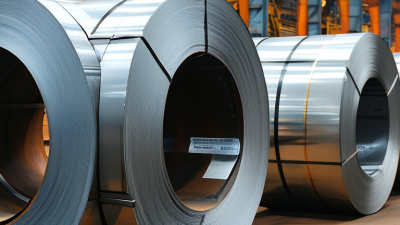
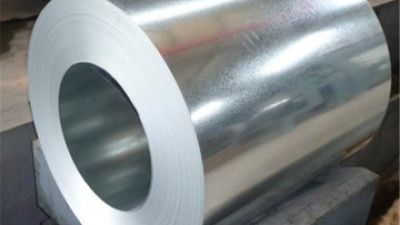
When you're on the hunt for Steel Stripfor different industrial projects, finding a trustworthy supplier is kind of a big deal. The market's flooded with options, but let’s be honest—not everyone out there hits the mark when it comes to quality and service. The right supplier should offer a wide variety of Steel Strip products and make sure they meet international standards.
Figuring out what your project actually needs can make a huge difference in choosing the right partner. A lot of companies talk big—claiming to be leaders—but sometimes they lack the experience or the technical know-how to truly deliver. That’s why I’ve put together a list of the top 10 Steel Strip suppliers who’ve really proven themselves through solid track records and quality products.
By keeping an eye on things like dependability, innovation, and good customer support, you can make smarter decisions. Some suppliers might boast being the best, but they sometimes fall short in certain areas. So, taking the time to do your homework and see what others have experienced can really help you find a reliable partner in the Steel Strip game.
Overview of Steel Strip Industry and Its Importance
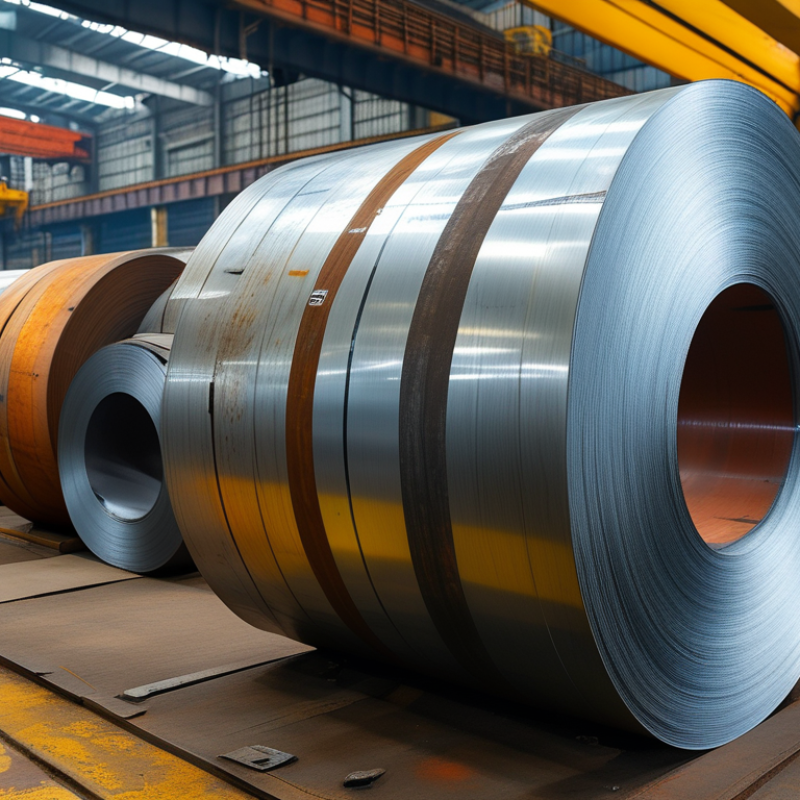
The steel strip industry plays a crucial role in modern manufacturing. Steel strips are versatile materials used in various applications, including automotive parts, electrical appliances, and construction. Their strength and durability make them essential for many sectors. The flexibility of Steel Strip Coil allows for different thicknesses and widths, catering to diverse industry needs.
Innovation drives the steel strip market forward. New technologies and production methods improve efficiency and reduce waste. However, challenges persist. Fluctuating raw material prices can impact production costs. Companies must adapt to maintain competitiveness. Environmental concerns also shape industry practices. Finding sustainable sourcing methods is becoming increasingly important.
Quality control remains vital in the steel strip sector. Manufacturers need to maintain rigorous standards for their products. Customers expect reliable material that meets specific requirements. Addressing these issues often requires collaboration across the supply chain. The need for transparency helps build trust among suppliers and clients. As the global market evolves, companies must stay informed and responsive to changes.
Criteria for Selecting Steel Strip Suppliers
When selecting steel strip suppliers, it’s essential to consider various criteria. Quality certifications are a baseline requirement. Look for suppliers who hold ISO certifications. These indicate adherence to global standards. According to a recent industry analysis, suppliers with ISO 9001 certification deliver higher product quality and reliability.
Another critical factor is the supplier's production capacity. A supplier should handle your volume needs consistently. Reports suggest that suppliers with greater production capacity can better manage market fluctuations and delivery schedules. This ensures you receive your steel strips on time, without compromising quality.
Pricing is vital, but it’s not the only metric. Competitively priced suppliers may not always provide the best quality. Analyze the total cost of ownership, which includes quality assurance, shipping, and potential wastage. Academic studies indicate that suppliers with transparent pricing often result in lower hidden costs. Additionally, assess the supplier’s customer service. Strong communication and responsiveness can greatly enhance the partnership. Industrials have revealed that suppliers ranking high in customer satisfaction often lead to long-term relationships.
Top 10 Steel Strip Suppliers to Source From Worldwide
| Supplier Rank | Location | Annual Production (tons) | Type of Steel Strips | Quality Certifications |
| 1 | Germany | 500,000 | High Carbon | ISO 9001 |
| 2 | Japan | 600,000 | Stainless Steel | JIS, ISO 9001 |
| 3 | China | 800,000 | Carbon Steel | ISO 14001 |
| 4 | USA | 450,000 | Medium Carbon | ASTM |
| 5 | South Korea | 700,000 | Electrogalvanized | ISO 9001, ISO/TS 16949 |
| 6 | Italy | 400,000 | Tool Steel | ISO 9001 |
| 7 | Brazil | 550,000 | Structural Steel | ISO 14001 |
| 8 | India | 600,000 | High Strength Low Alloy | ISO 9001 |
| 9 | Russia | 650,000 | Cold Rolled | ISO 9001, GOST |
| 10 | France | 500,000 | Boron Steel | ISO 9001, CE |
Top 10 Global Steel Strip Suppliers: An Overview
When sourcing steel strips globally, the quality and reliability of suppliers are crucial. Steel strips are used in various applications, from automotive parts to construction materials. It is essential to evaluate suppliers based on factors such as production capacity, quality control, and industry certifications. The best suppliers often invest in advanced technology and skilled labor.
Many producers focus on specific types of steel, which can impact their overall performance. Some may excel in thin strips, while others cater to thicker options. Researching each supplier's specialty can help in making informed decisions. In contrast, a lack of transparency regarding sourcing methods can raise concerns.
Another important factor is the geographical location of suppliers. Proximity can reduce shipping times and costs. However, relying solely on local suppliers may limit options. It is beneficial to develop a diverse supplier base. This approach allows businesses to mitigate risks associated with supply chain disruptions. Ensuring a smooth supply chain requires awareness and adaptability.
Detailed Profiles of Leading Steel Strip Suppliers
When sourcing steel strips, many businesses look for reliable suppliers. The steel industry has reported that Global Steel demand is expected to grow by 1.5% in 2023. This increase emphasizes the need for quality steel strip products. Choosing the right supplier is critical, as it affects production efficiency and cost.
A comprehensive approach to supplier profiles often highlights their manufacturing capabilities. Factors like production capacity, quality certifications, and technological advancements are crucial. Reports show that suppliers with ISO certifications tend to demonstrate higher reliability in product quality. They can also provide a range of steel products, including steel coil wholesale options, to meet diverse customer needs.
Another important aspect is customer service. Suppliers should ideally offer tailored solutions. This flexibility can significantly enhance buyer satisfaction. Some suppliers fall short in this area, leading to operational delays. Regular feedback from partners can help mitigate these issues over time. Understanding these dynamics is essential for businesses navigating the steel strip market.
Comparison of Steel Strip Product Quality and Pricing
When sourcing steel strips, understanding product quality is vital. Steel strips vary greatly in strength, flexibility, and finish. Not all suppliers maintain consistent quality. This inconsistency can impact your projects significantly. Examining suppliers' certifications is a good start. These documents often indicate adherence to industry standards. A supplier’s experience in the market also speaks volumes about reliability.
Pricing is another crucial element. While cheaper options exist, they may not offer the best value. high-quality steel coil manufacturers often justify their prices through superior materials and processes. The long-term cost-effectiveness of investing in quality should be considered. An initial higher price can lead to savings in durability and performance.
Assessing product availability is important too. Some suppliers offer a wider range of specifications, which can help meet specific project needs. Understanding the balance between quality and pricing requires careful analysis. Look for feedback from other customers when evaluating suppliers. Real-world testimonials provide insights into both the quality of products and the reliability of service. Keep in mind that supplier relationships are built on trust and transparency.
Sustainability Practices Among Steel Strip Suppliers
Sustainability is a crucial consideration for steel strip suppliers in today's market. Many industry reports indicate that the steel production process accounts for approximately 7-9% of global CO2 emissions. This stark reality has urged suppliers to adopt greener practices. For instance, utilizing electric arc furnaces (EAF) can reduce emissions significantly, as EAFs use recycled steel and less energy compared to traditional methods.
Incorporating renewable energy sources is also gaining traction. A recent study revealed that nearly 30% of steel manufacturers are transitioning to solar and wind energy for operations. This shift not only lowers their carbon footprint but also aligns with the growing demand for sustainable products. Certification programs, like ISO 14001 focusing on effective environmental management, have seen increased participation among suppliers. This trend reflects a rising awareness about ecological impacts.
However, progress is not uniform. Some suppliers still rely heavily on conventional methods. Challenges remain, including the high costs of adopting new technologies. The commitment to sustainability is commendable, but it often falls short in practical implementation. Industries must continue to explore innovative solutions while sharing best practices to improve overall sustainability in steel strip production.
Top 10 Steel Strip Suppliers Sustainability Practices
Trends and Innovations in the Steel Strip Supply Chain
In recent years, the steel strip supply chain has undergone significant transformations. New trends are reshaping how suppliers operate. Digitalization plays a key role, enhancing communication between manufacturers and customers. Technology adoption helps streamline processes, but not all suppliers keep pace. This gap can lead to inefficiencies in sourcing.
Sustainability is another critical trend impacting the industry. Suppliers are focusing on eco-friendly practices to reduce their carbon footprint. While many have made strides, some still rely on outdated methods. This inconsistency raises questions about the long-term viability of less progressive suppliers. The growing demand for bulk hot-rolled steel reflects the need for high-quality materials, but sourcing responsibly is a challenge.
Innovation is vital in meeting the needs of a global market. Companies are investing in advanced materials and production techniques. However, the reliance on traditional methods can hinder progress. Suppliers that embrace change can better serve their clients. There's a need for ongoing evaluation in sourcing strategies to remain competitive in this evolving landscape.
Innovative Applications and Benefits of Wear-Resistant Electro-Galvanized Steel Coils for Industrial Use
The innovative applications of wear-resistant electro-Galvanized Steel Coils have revolutionized various industrial sectors, providing enhanced durability and corrosion resistance critical for long-term performance. These coils are manufactured using cutting-edge technology in a state-of-the-art facility, ensuring that each product meets the highest standards of quality and reliability. The continuous electroplating process employs soluble zinc anodes and precise DC current control, resulting in a tailored zinc deposition that optimizes the coils’ protective qualities.
With a nanocrystalline structure that boasts grain sizes of 50 to 150 nanometers, these electro-galvanized coils exhibit superior resistance to corrosion, making them ideal for demanding environments. The pre-treatment process includes thorough alkaline cleaning and acid activation, increasing the surface energy above 72 mN/m, which enhances the wettability of paint and coatings applied to the steel. This ensures not only a longer-lasting finish but also improved adhesion and performance in various applications, from automotive manufacturing to construction materials.
As industries continue to seek materials that withstand harsh conditions while offering optimal performance, the wear-resistant electro-galvanized steel coils present an innovative solution that aligns with these demands. With their advanced manufacturing techniques and exceptional properties, these coils are poised to remain a vital component in the evolution of industrial materials.
FAQS
: The steel strip industry is crucial for manufacturing automotive parts, appliances, and construction materials.
Look for quality certifications, production capacity, pricing, and customer service when selecting suppliers.
New technologies improve efficiency and reduce waste, driving the market forward despite ongoing challenges.
Fluctuating raw material prices and environmental concerns can impact production and sourcing methods.
Maintaining rigorous standards ensures reliability and meets customer expectations for specific materials.
The best price isn't always the lowest. Consider total ownership costs, which include hidden expenses.
Assess a supplier’s certifications, experience, and customer feedback for insights into their reliability.
Strong communication and responsiveness in customer service can enhance long-term supplier relationships.
Inconsistent quality can dramatically impact project outcomes and cause unexpected challenges.
Transparency helps build trust, crucial for a successful, long-term partnership in the steel strip industry.
Conclusion
The article titled "Top 10 Steel Strip Suppliers to Source From Worldwide" provides a comprehensive overview of the steel strip industry, highlighting its significance in various manufacturing sectors. It discusses essential criteria for selecting suppliers, emphasizing quality, pricing, and sustainability practices.
The piece also outlines the top ten global steel strip suppliers, offering detailed profiles of these industry leaders. In addition, it explores current trends and innovations within the steel strip supply chain, focusing on sustainability efforts among suppliers. This summary serves as a valuable resource for businesses looking to source high-quality steel strips while staying informed about market dynamics.