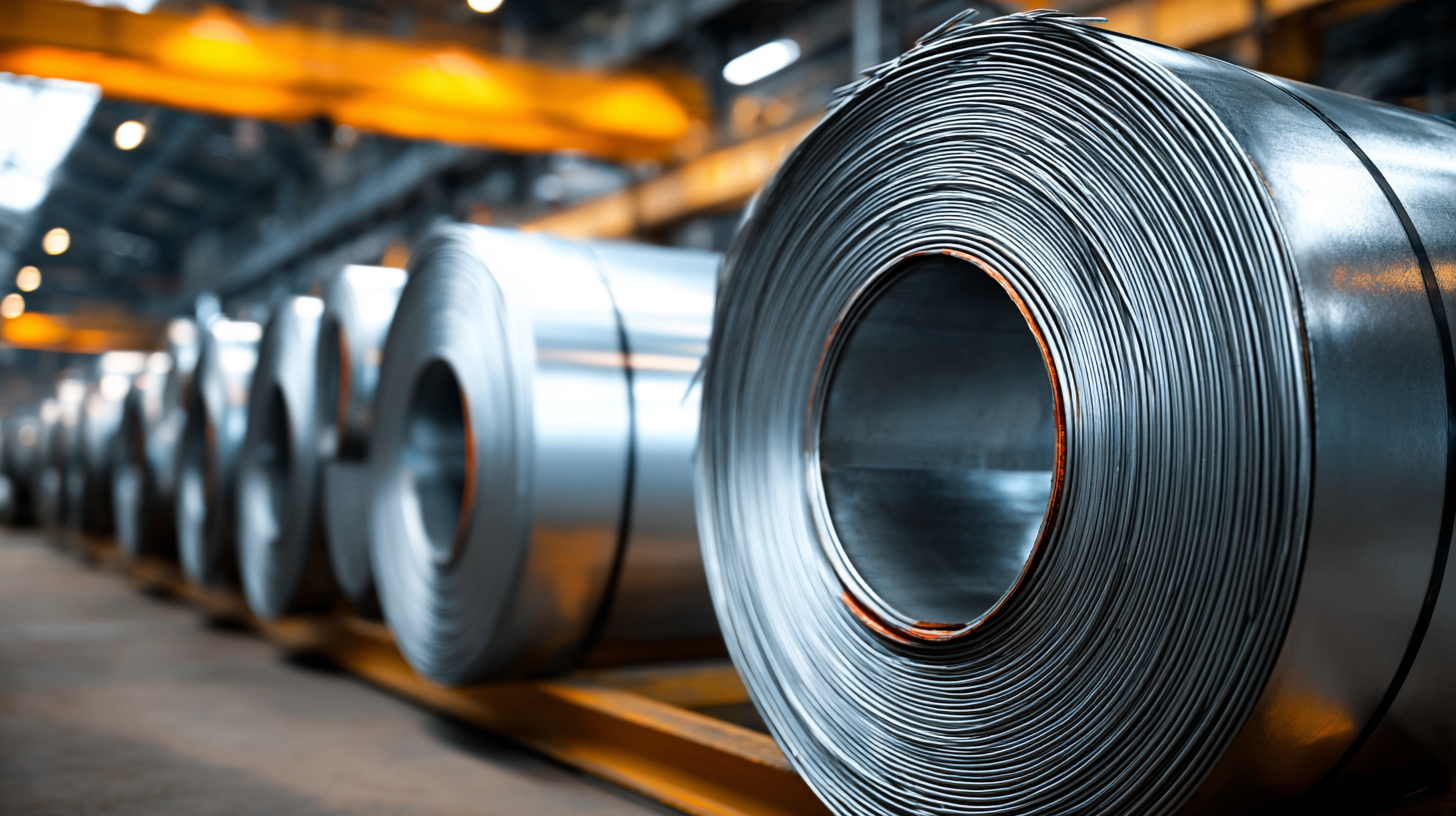
You know, the construction world is always changing, fueled by new ideas and the constant need for materials that make everything easier and more efficient. One material that’s really been making waves lately is Gi Steel Coil. It’s popular because it resists corrosion like a champ, stays lightweight, and can be used in so many different ways. Since 2018, GUANGZHOU CHENGXIN METAL CO., LTD. has been right there leading the charge in steel processing and distribution, trying to keep up with all these shifts. Based in the lively coastal city of Guangzhou in Guangdong Province, they focus on providing precision-engineered steel products that can handle whatever modern construction projects throw at them. In this article, I want to talk about just how versatile Gi Steel Coil really is, what it’s used for, and how Chengxin keeps pushing forward in this growing industry. It’s pretty exciting stuff, honestly!
Understanding Gi Steel Coil: Composition and Properties
Galvanized Iron (GI) steel coils are pretty essential in today’s construction world. You know, they’re coated with a layer of zinc, which really helps them resist rust and corrosion — kind of a game-changer for outdoor stuff. Because of that coating, these coils last longer and hold up well against all sorts of weather conditions. That’s why you’ll find them everywhere — from roofing and wall cladding to fences and beyond. The mix of iron, carbon, and zinc in GI steel lets it stay strong yet lightweight, and super easy to work with, which makes life a lot easier for builders and designers.
If you really think about it, GI coils are pretty versatile and durable. The zinc layer can take a beating from rain, sun, or even salty seaside air, making it perfect for outdoor projects. Plus, shaping and forming these coils is no hassle at all, so architects and builders can really get creative with their designs.
**Pro tip:** When you're picking out GI steel coils for your project, don't forget to check how thick that zinc coating is. A thicker layer usually means better protection against rust, especially if you’re near the coast where the air is pretty salty. And, of course, always keep in mind the specific conditions your construction site will face — it’ll help you pick the right stuff and make it last longer.
Advantages of Using Gi Steel Coil in Construction Projects
Using GI steel coils in modern construction? Honestly, it's a game changer. They bring so many perks—like boosting the building's strength and saving money in the long run. One of the coolest things is their resistance to rust, thanks to that zinc layer on top. It’s like giving the steel a protective shield, so it lasts way longer and doesn’t need constant fixing or repainting. Plus, despite being super durable, GI steel coils are lightweight, which makes them perfect for all sorts of stuff—think roofing, wall cladding, or structural parts.
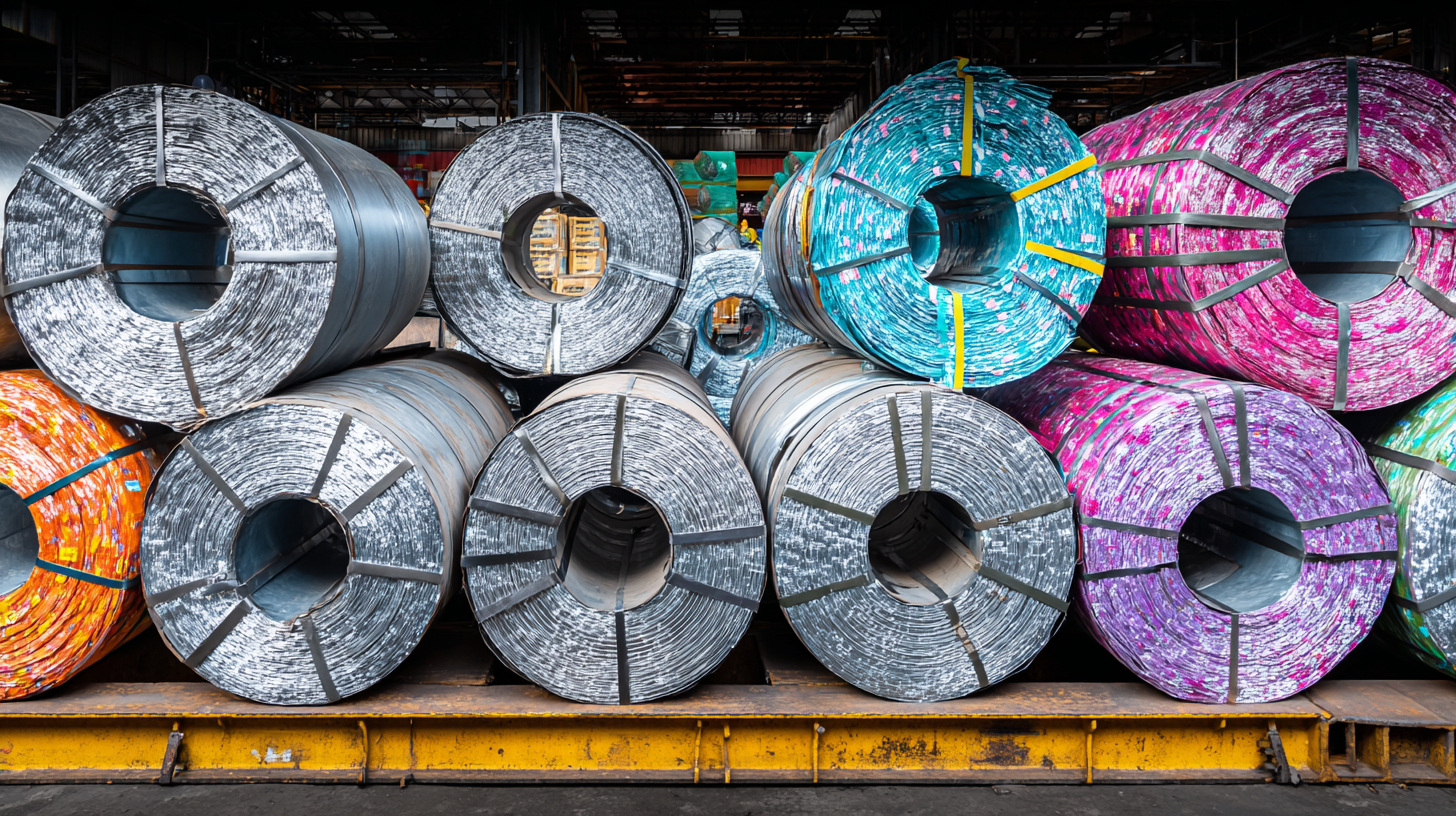
Lately, there's been a real buzz around high-performance building materials, and GI steel coils are definitely part of that trend. As new infrastructure projects pop up and grow, architects and engineers love how versatile these coils are—they can get creative without sacrificing safety or quality. If you’ve been paying attention, you'll see the move toward prefab and frameless constructions easing the building process, and materials like GI steel coils are right at the heart of that. They help make everything smoother and faster, especially in places experiencing rapid urban growth where reliable and efficient building materials are more important than ever.
Common Applications of Gi Steel Coil in Modern Building Design
Galvanized iron (GI) steel coils have really become a go-to material in modern building design—mainly because they're incredibly durable and resistant to rust and corrosion. You probably see them a lot in roofing these days, where they offer a lightweight yet strong option that handles pretty harsh weather without breaking a sweat. Plus, their shiny, reflective surface doesn’t just look good; it actually helps improve energy efficiency by bouncing off heat, which is a big win for climate-sensitive buildings. What’s cool is that GI steel can be easily shaped into different profiles, giving architects and builders more room to get creative with roof designs while still keeping everything sturdy and safe.
But that's not all—these coils are also super useful for making wall panels, which not only boost the building’s look but also add solid insulation. That means you’ll save energy in the long run. In the commercial side of things, GI steel coils are often used in modular construction projects, helping speed things up and making the whole process a lot smoother. And because GI steel is so adaptable, it works well in all sorts of environmental conditions, which just cements its place as a key material in today’s architecture. As the industry keeps innovating, I think we'll see even more creative uses for GI steel coils, opening up new possibilities for design and construction—no doubt about it.
Common Applications of Gi Steel Coil in Modern Building Design
Installation Techniques for Gi Steel Coil in Construction
You know, when it comes to modern construction these days, using galvanized iron (GI) steel coils has really become a big deal. They're not just efficient but super adaptable too. And with the building materials market for galvanized steel expected to hit around $57 billion by 2035—thanks to those ongoing infrastructure boom times—it’s pretty important to know the best ways to install these materials so that everything performs well and lasts long. One of the reasons folks love GI steel coils? They resist rust and are kind on the wallet, making them perfect for stuff like scaffolding and structural supports.
There's also this cool technique I’ve come across involving adjustable galvanized steel props. Basically, these props include all the gadgets you might need — inner and outer tubes, nuts, jacks, base plates — you name it. They do a great job of keeping things stable, but they also let you fine-tune things easily during construction. And get this—the global market for electrical galvanized steel is booming too, expected to jump from about $29.5 billion in 2025 up to over $42 billion by 2032. It just shows how much demand there is for these kinds of materials right now. So, by adopting newer installation methods and sticking with high-quality galvanized steel, builders can not only hit their performance goals and stay within budget but also help push the whole industry forward. Pretty exciting, right?
Exploring the Versatility and Applications of Gi Steel Coil in Modern Construction - Installation Techniques for Gi Steel Coil in Construction
| Application | Installation Technique | Advantages | Considerations |
| Roofing Systems | Standing Seam Installation | Durable, Weather-Resistant | Requires skilled labor |
| Wall Cladding | Metal Screws and Clips | Aesthetic Appeal, Energy Efficiency | Thermal expansion needs considerations |
| Fencing | Welding and Bolting | High Security, Low Maintenance | Potential for corrosion |
| Structural Support | Precision Cutting and Assembly | Strength-to-Weight Ratio | Proper load calculations essential |
| Decking | Panel Splicing Techniques | Ease of Installation | Joint sealing required |
Maintenance and Durability Factors for Gi Steel Coil Structures
You know, these GI steel coils are really starting to catch on in modern construction, and for good reason. They're pretty low maintenance and so durable — it’s a real game-changer. Thanks to hot-dip galvanization, they get this tough protective layer that fights off rust and corrosion, which means your structures last way longer. That’s especially important if you're working in places with lots of moisture or harsh weather; nobody wants a building falling apart because of some bad weather! Plus, using these coils can save you money and time because you don’t have to fix or replace things all the time.
A few tips for keeping your GI steel coil structures in top shape—regular checks are a must, really. Catching any early signs of wear or damage can save you a lot of headaches down the line. Adding some extra protective coatings can also help boost their lifespan. Oh, and don’t forget to make sure there’s proper drainage around your structures. Water pooling can lead to corrosion, and nobody wants that.
You’ll be amazed at how versatile GI steel coils are in construction — from building sturdy frames to roofing, they do it all. If you keep up with good maintenance practices, your installations will stay solid and reliable for years, making your projects not just successful but also more resilient overall.
Future Trends in Gi Steel Coil Utilization within the Construction Industry
Galvanized Steel Coils, or Gi steel coils, have become pretty essential in today’s construction world. They’re valued thanks to their unique features that make them super versatile for all kinds of projects. As the construction industry keeps evolving, it’s expected that the use of Gi steel coils will stay aligned with future trends—especially those focusing on sustainability and making things more resilient. By around 2035, experts predict the market for galvanized steel coils used in building materials could hit around $57.2 billion. That growth is mainly driven by rising infrastructure projects and the ongoing demand for durable, rust-resistant solutions.
When you're choosing a Gi steel coil for your construction work, a couple of things to keep in mind are the coating thickness and the specific environmental conditions of the site. These factors can really make a difference in how long the material lasts and how well it performs. Also, it’s a smart move to work with suppliers who are committed to sustainable practices—this can help keep your project environmentally friendly.
The market for Gi steel coils is also booming thanks to innovations like pre-painted surfaces. These not only look good but also boost protective qualities. Even though domestic demand can sometimes be unpredictable, exports are really picking up, showing that there's a global appetite for this kind of versatile material. Staying on top of new research and tech advances will be key if you want to stay competitive in this fast-growing sector.
My tip? Keep an eye on market trends and new technology so you can make the most of the latest innovations in galvanized steel for your projects.
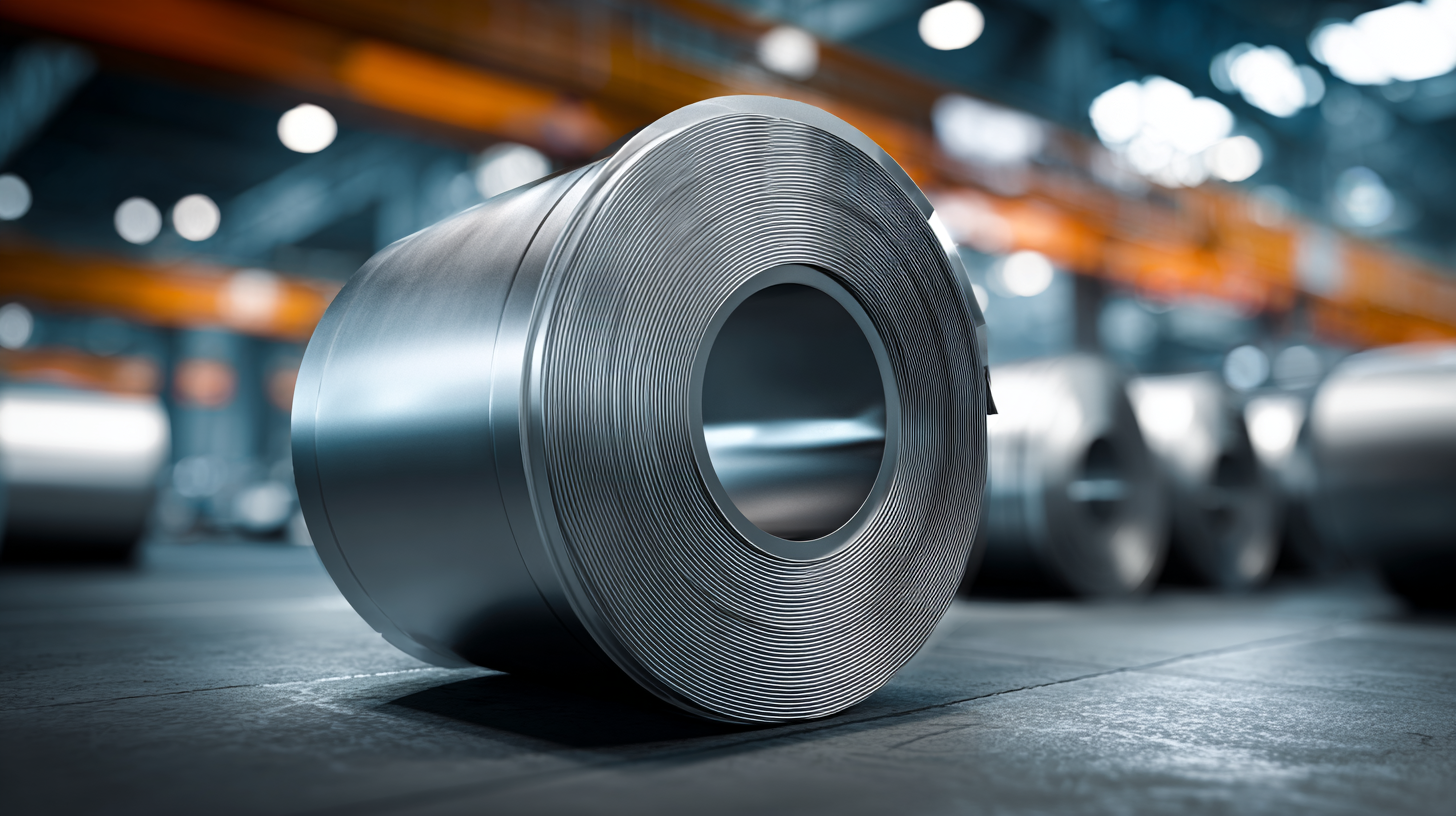
Exploring the Benefits and Applications of Cold-Rolled Steel Coil with Double Bright Finish
Cold-Rolled Steel Coils with a double bright finish have gained significant traction in various industries due to their exceptional aesthetic properties and high-performance standards. This specific finish is achieved through a meticulous two-stage polishing process, where the steel is initially ground with 600-grit abrasives followed by electrochemical buffering. This treatment results in a mirror-like finish with a roughness average (Ra) of ≤0.3 µm and a distinct optical clarity measured by a distinctness of image (DOI) of ≥95. Such specifications not only meet but often exceed industry standards outlined in EN 10130 for grades DC04-DC06, making these coils highly sought after for luxury applications.
The double bright finish effectively minimizes peak-to-valley heights to below 0.1 µm, a critical factor for reflective surfaces in high-end consumer products, automotive interiors, and architectural elements. The improved surface quality enhances the aesthetic appeal while ensuring durability and resistance to wear and corrosion. According to industry reports, the demand for high-quality surface finishes is on the rise, particularly in sectors focused on premium products. As manufacturers strive to meet consumer expectations for quality and sophistication, double bright coils present a practical solution that fulfills both functional and aesthetic requirements.
FAQS
: Gi steel coil, or Galvanized Iron steel coil, is a type of steel that is coated with zinc to enhance its corrosion resistance and extend its lifespan, making it suitable for various applications in modern construction.
The composition of Gi steel typically includes iron, carbon, and zinc, which contribute to its high strength and lightweight nature.
The primary advantages of Gi steel coil include its corrosion resistance, durability, lightweight characteristics, and lower maintenance costs, making it an ideal choice for roofing, wall cladding, and other structural applications.
The zinc coating protects the underlying steel from environmental factors, enhancing its resistance to corrosion and prolonging its lifespan, especially in harsh weather conditions.
It's essential to check the thickness of the zinc coating, as thicker coatings provide better protection against corrosion, particularly in coastal environments.
Gi steel coils can be easily shaped and formed, allowing architects and builders to create innovative designs while maintaining safety and durability standards.
Gi steel coils are increasingly important in the construction sector due to the demand for high-performance materials, particularly in prefabricated and frameless construction projects.
They lower long-term costs by prolonging the lifespan of construction materials, reducing maintenance needs, and providing lightweight yet strong solutions for various applications.
Gi steel coils are particularly beneficial in outdoor construction projects and environments that face harsh weather conditions, making them suitable for usage in various climates.
Conclusion
You know, Gi Steel Coil has really become a crucial part of modern construction these days. Its unique blend of properties makes it super versatile—think corrosion resistance, being lightweight, and easy to install—which is perfect for all kinds of building projects. Whether it's for roofing, wall panels, or supporting structures in contemporary design, this material is everywhere.
As people start paying more attention to maintenance and how long things last, Gi Steel Coil just keeps shining—it’s durable with very little upkeep needed. Looking ahead, I’d say we’ll see it used even more in innovative building methods, really showing how essential it’s become in shaping the future of construction. And, by the way, Guangzhou Chengxin Metal Co., Ltd. is doing a pretty great job providing top-quality steel products, so they’re definitely ready to keep up with the rising demand for Gi Steel Coil across different projects.