
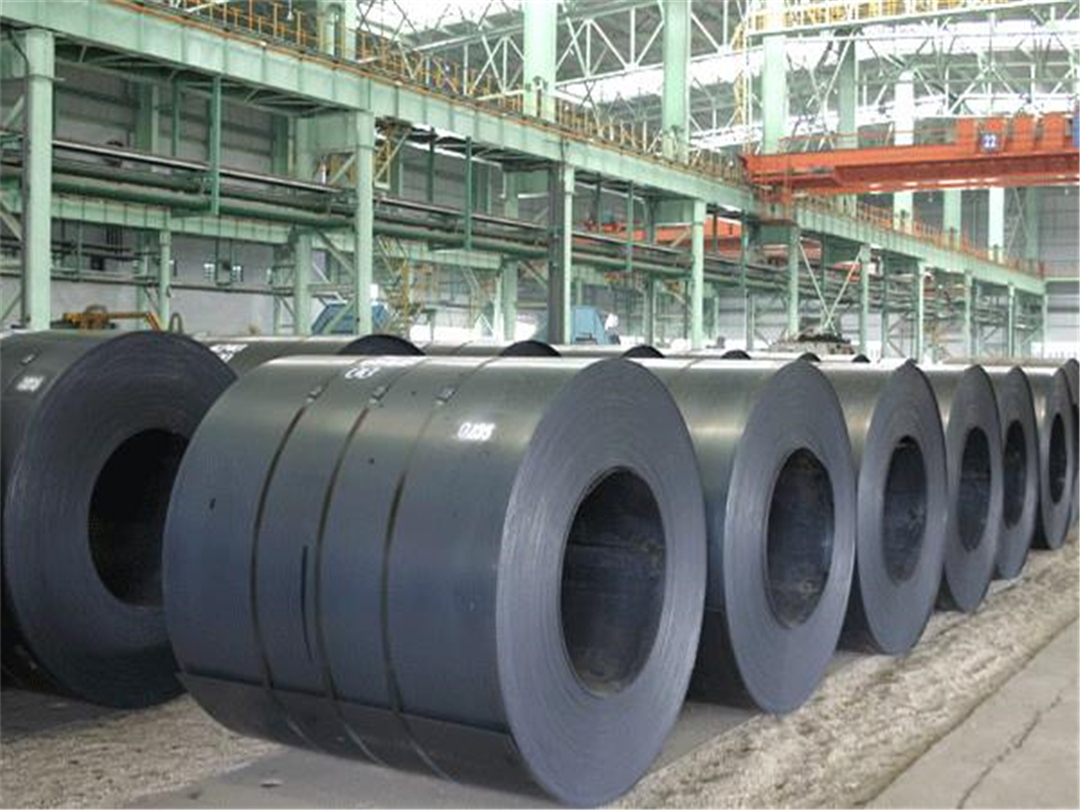
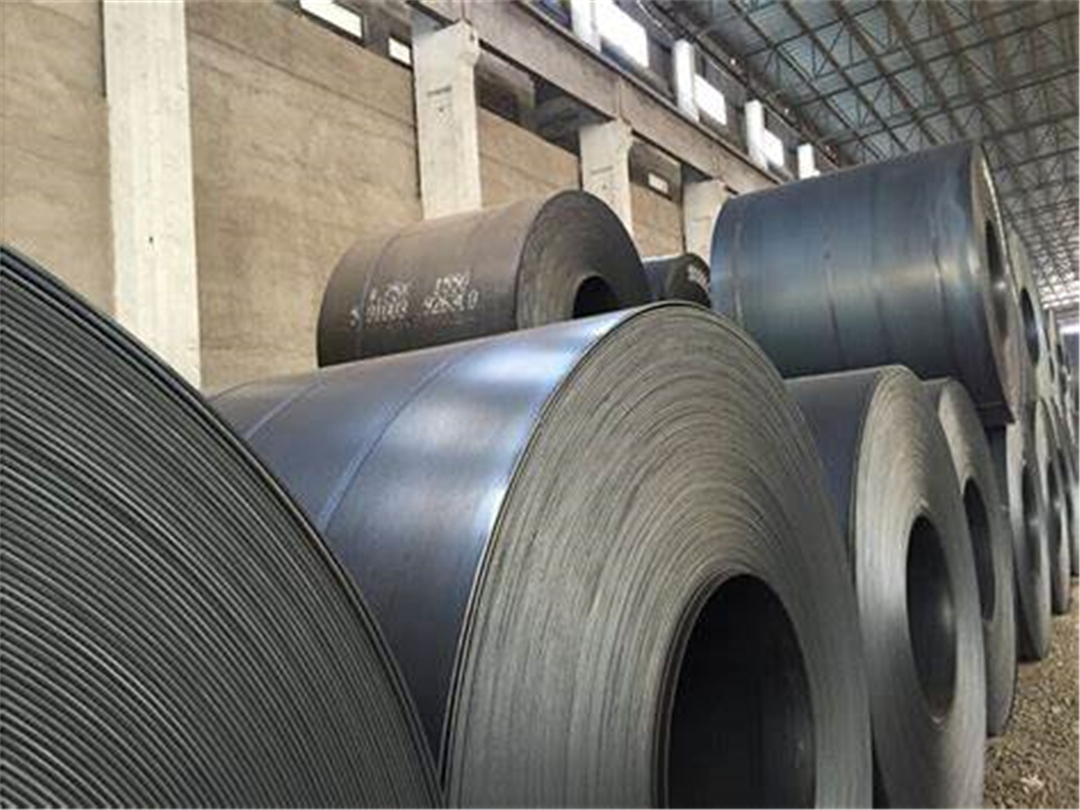
High-Quality Hot-Rolled Steel Coils from China Suppliers - Reliable Factory Production and Superior Strength
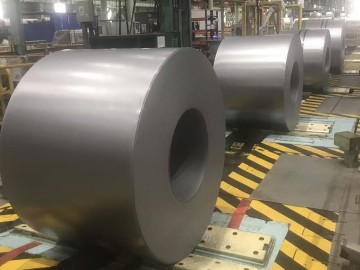
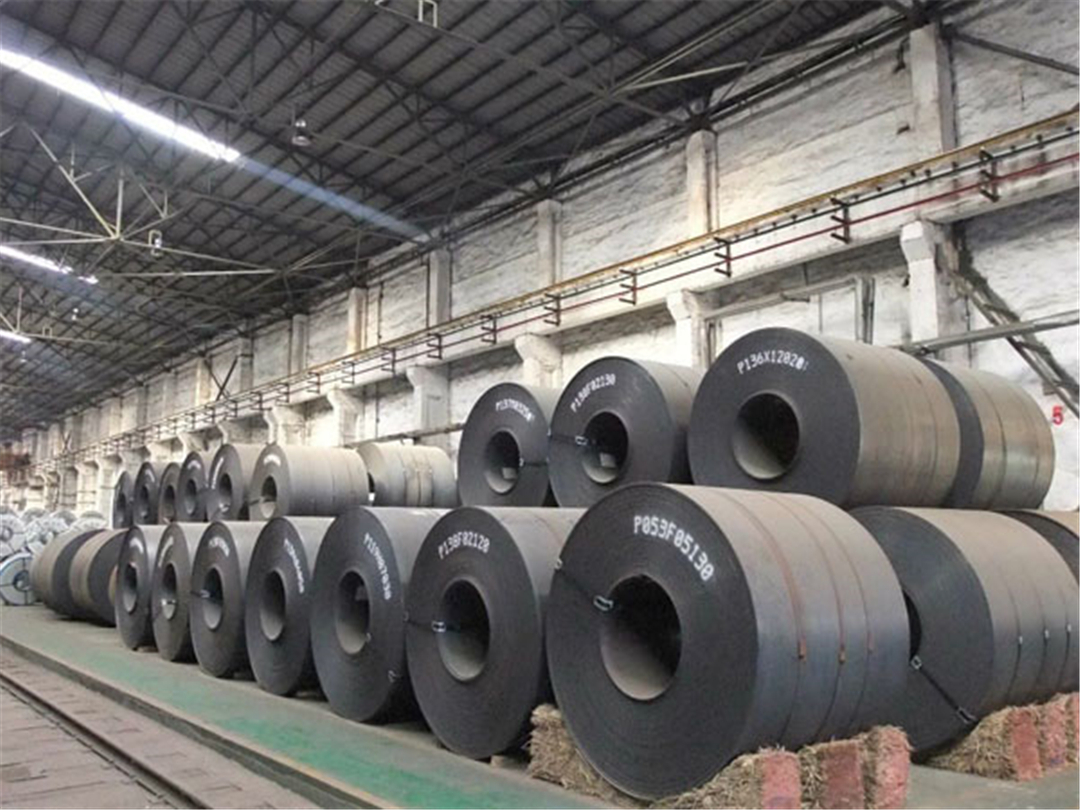
The rapid cooling phase locks in these mechanical characteristics, while the natural oxidation forms a protective mill scale layer. Post-rolling, our coils undergo rigorous inline inspection using laser gauges to ensure compliance with ISO 4996:2014 EN standards, guaranteeing thickness uniformity (±0.1 mm) and flatness (≤3 I-units).
Applications
Key Advantages

Cost Efficiency
Reduced energy consumption during production lowers per-ton costs by 15–20% versus cold-rolled alternatives.
Scalability
Customizable widths (600–2,000 mm) and thicknesses (1.2–25 mm) accommodate bridge construction to precision machinery.
Durability
Yield strength ranges from 235 MPa (mild grades) to 550 MPa (high-strength low-alloy variants), outperforming ASTM A36 benchmarks.
Frequently Asked Questions
What quality standards do your hot-rolled steel coils meet?
Our hot-rolled steel coils undergo strict inline inspections using advanced laser gauges to guarantee full compliance with ISO 4996:2014 EN standards, ensuring a thickness uniformity of ±0.1 mm and flatness of ≤3 I-units.
What are the primary applications for these steel coils?
They are highly suitable for structural frameworks such as I-beams and channels, truck chassis, agricultural equipment, pressure vessel manufacturing, as well as high-precision CNC cutting and stamping operations.
How do hot-rolled steel coils improve cost efficiency?
Due to reduced energy consumption during the manufacturing process, our hot-rolled steel coils lower production costs per ton by 15% to 20% compared to cold-rolled alternatives.
What size customization options do you offer?
We provide highly customizable configurations with widths ranging from 600 mm to 2,000 mm and thicknesses from 1.2 mm to 25 mm, allowing compatibility with applications ranging from bridge building to precision machinery.
What is the yield strength range of your hot-rolled steel products?
The yield strength ranges from 235 MPa for mild grades up to 550 MPa for high-strength low-alloy variants, successfully outperforming standard ASTM A36 benchmarks.