
Hot Products
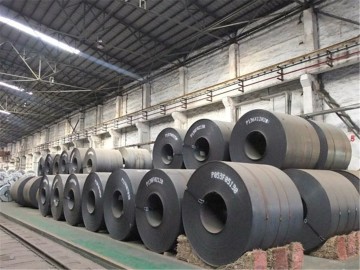
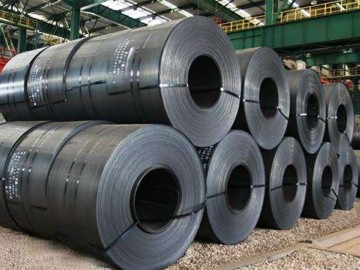
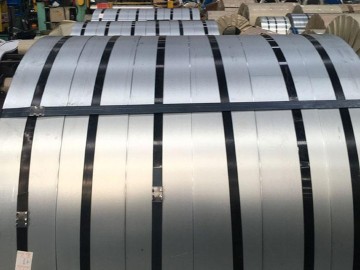
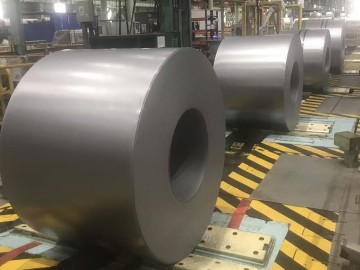
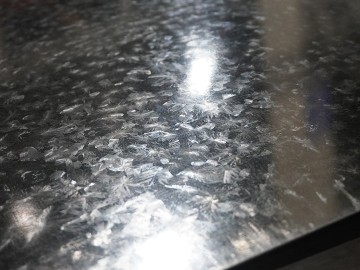
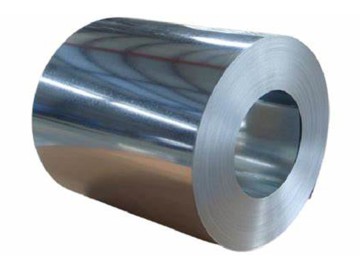
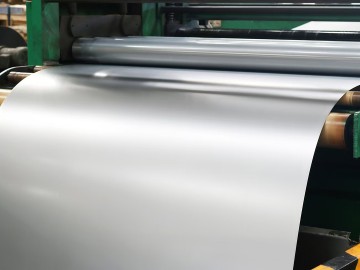
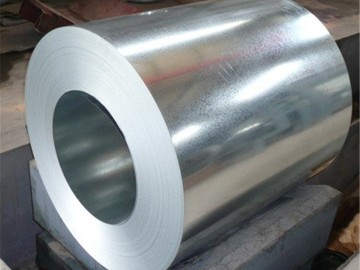
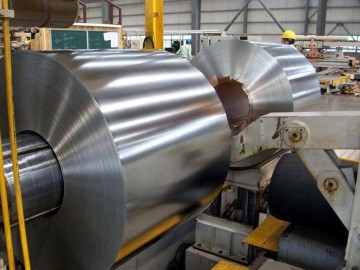
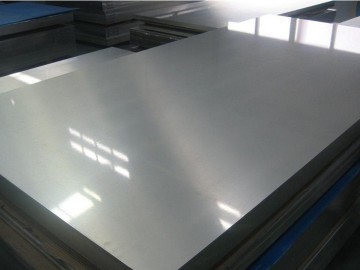
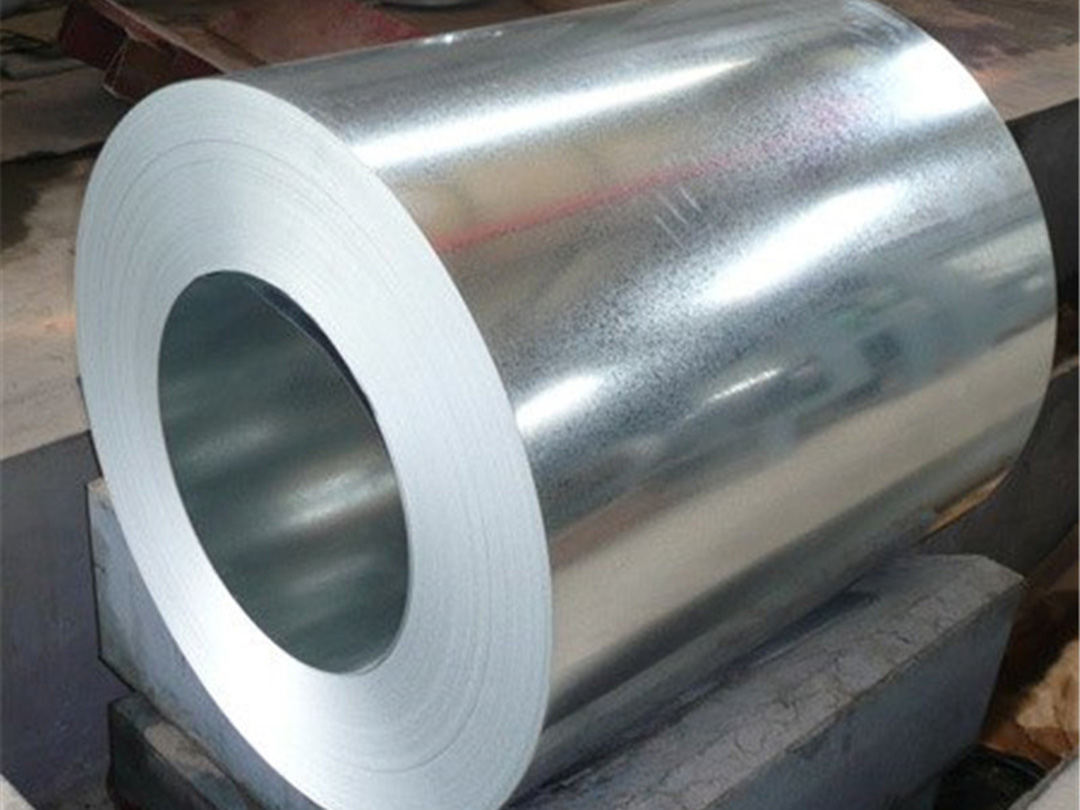
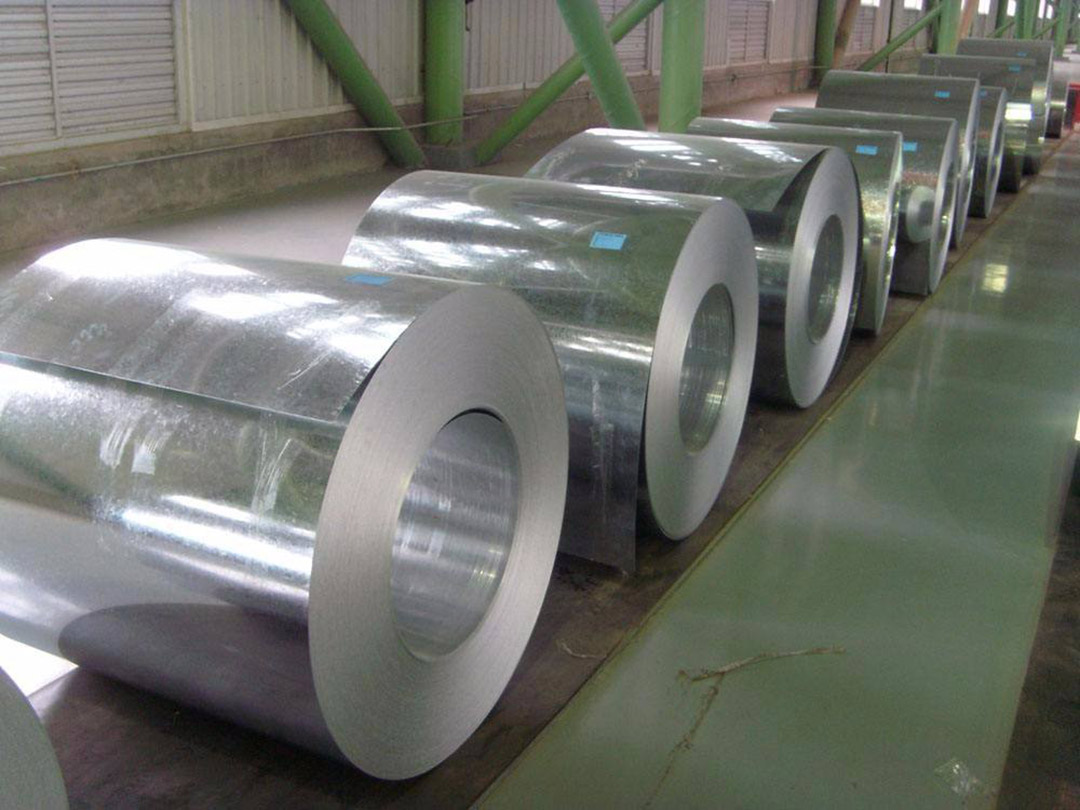
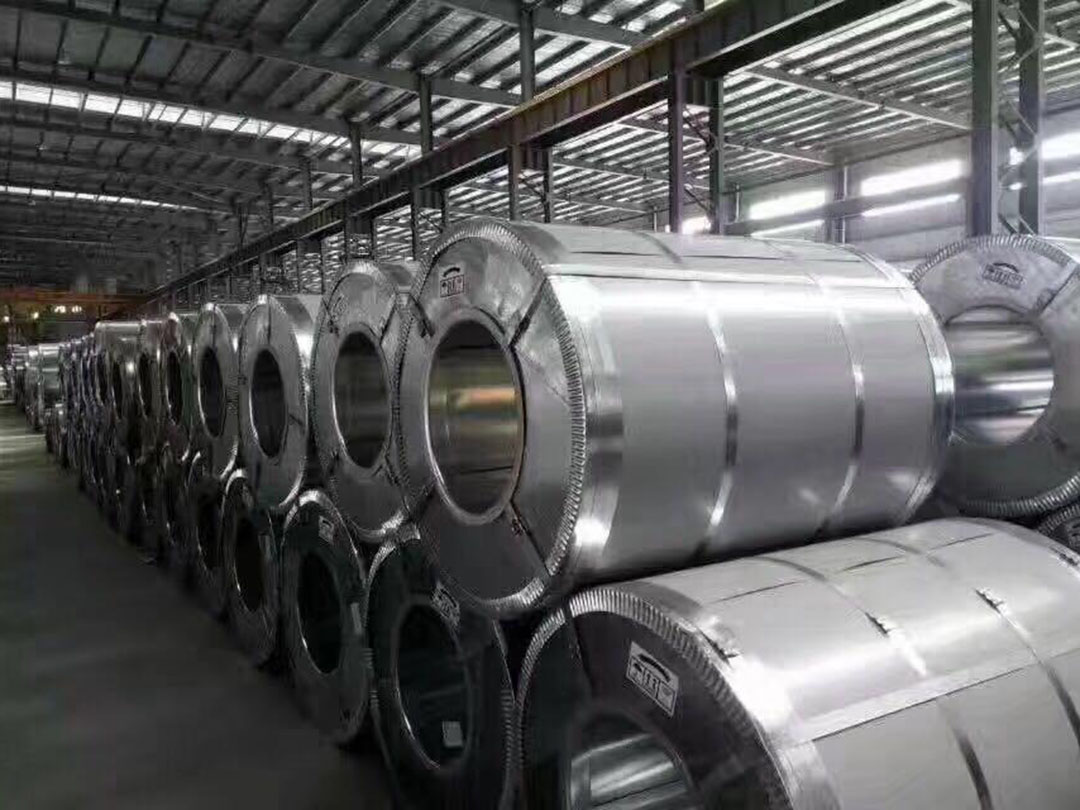
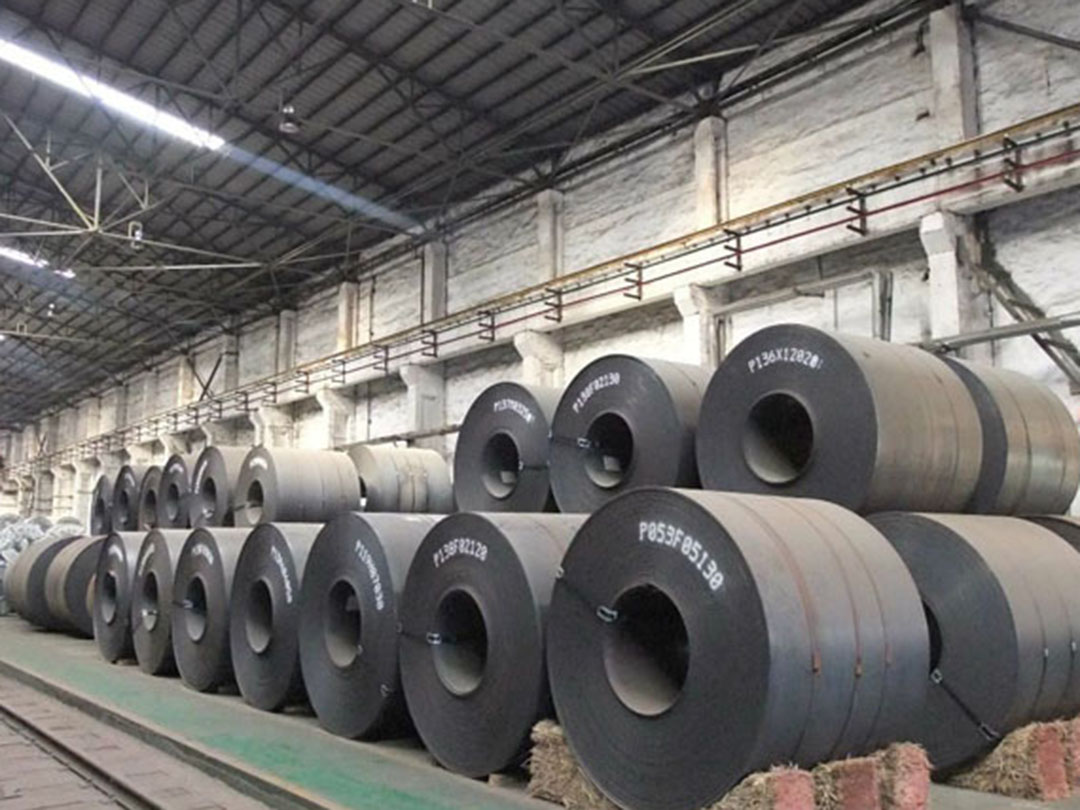
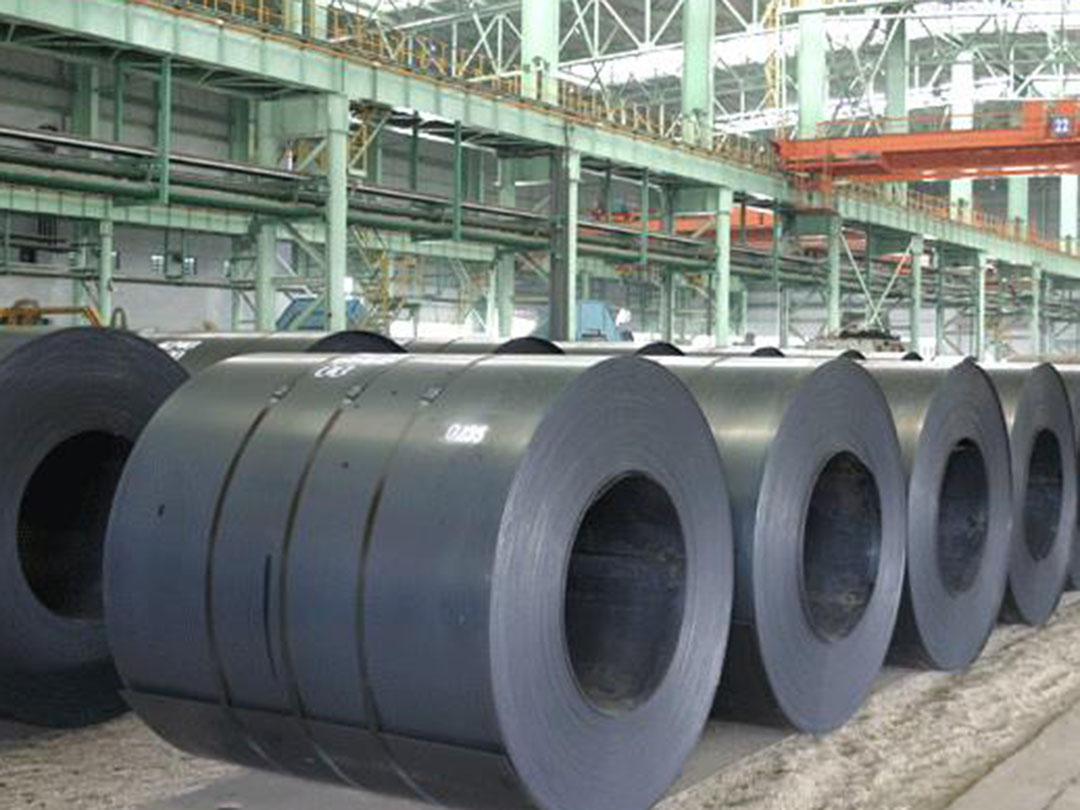
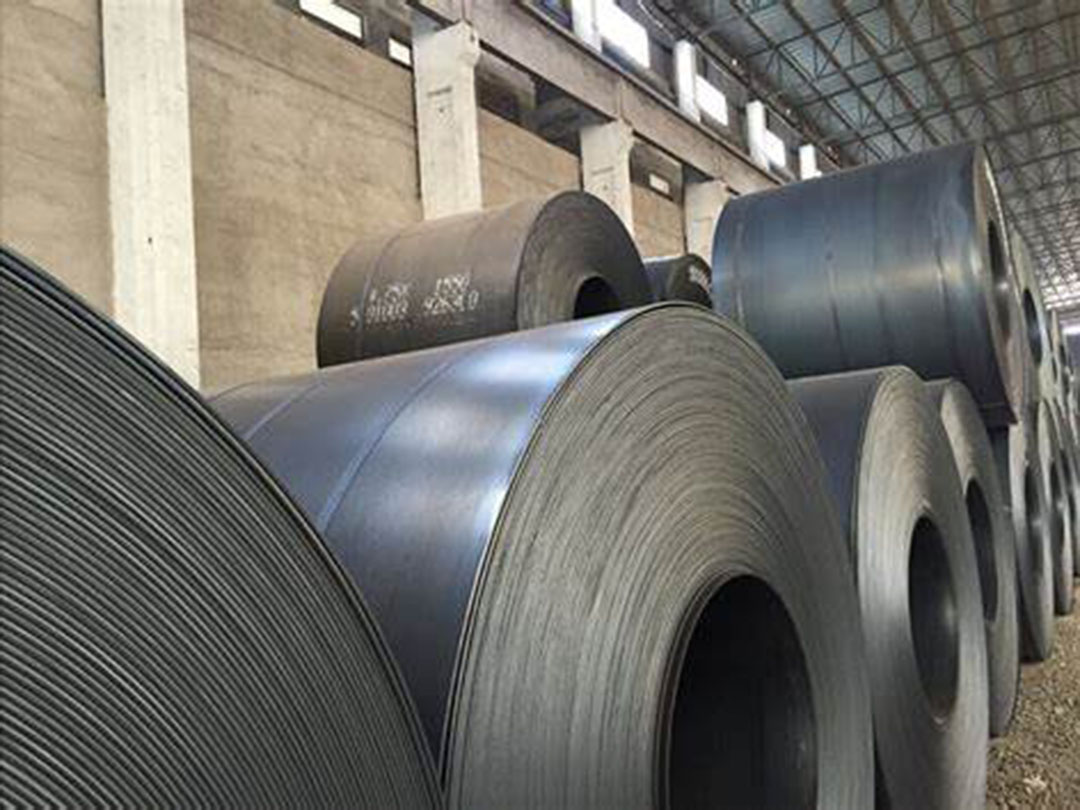
Wear-Resistant Electro-Galvanized Steel Coils from China Suppliers - High-Quality Factory Production
Applications
Printer chassis, automotive seat frames, and consumer electronics requiring EMI shielding.
Key Advantages

Coating Control
Thickness tolerance ±0.5 g/m² via current monitoring.
Alloy Options
Zn-Ni (10–15% Ni) or Zn-Fe (0.3–0.6% Fe) coatings for 3x salt spray resistance.
Surface Finish
Bright (Ra 0.4–0.7 μm) or matt (Ra 1.2–1.8 μm) finishes for decorative/functional needs.
Frequently Asked Questions (FAQ)
What are the primary applications of Electro-Galvanized Steel?
Electro-galvanized steel is widely used in manufacturing printer chassis, automotive seat frames, and various consumer electronics that require effective EMI shielding and high structural integrity.
How is the coating thickness controlled during production?
We utilize advanced real-time current monitoring systems to maintain an extremely tight coating thickness tolerance of within ±0.5 g/m², ensuring consistent protection across the entire coil surface.
What alloy coating options do you offer for enhanced corrosion resistance?
We offer specialized alloy options including Zn-Ni (containing 10–15% Nickel) and Zn-Fe (containing 0.3–0.6% Iron) coatings, which deliver up to 3 times the salt spray test resistance compared to standard coatings.
Can I choose different surface finishes for decorative or functional purposes?
Yes, we supply multiple surface finishes including a Bright finish (Ra 0.4–0.7 μm) for reflective/decorative needs, and a Matt finish (Ra 1.2–1.8 μm) optimized for painting and functional adhesion.
Why is electro-galvanized steel preferred for consumer electronics?
It offers excellent electromagnetic interference (EMI) shielding properties, outstanding surface flatness, precise dimensions, and superior weldability, which are critical for high-end electronic housing.
What makes these steel coils wear-resistant?
The controlled electro-deposition process creates a highly uniform and dense zinc-based layer that offers superior surface hardness and wear resistance during stamping and forming processes.